
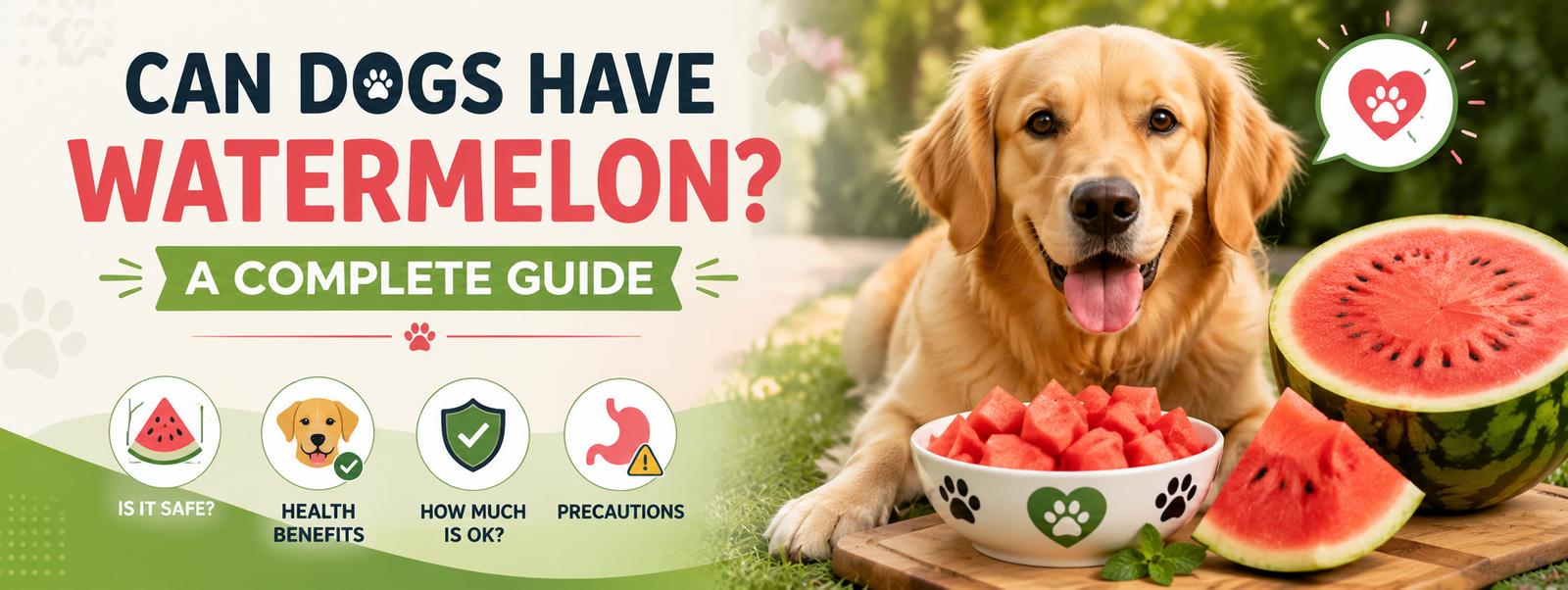
When the summer heat rolls around, nothing hits the spot quite like a juicy, crisp slice of watermelon. As dog owners, it is almost impossible to enjoy a refreshing snack without seeing a pair of hopeful eyes staring back at us. You might find yourself pausing mid-bite, wondering: Can dogs have watermelon?
The short answer is yes, dogs can safely eat watermelon. In fact, watermelon is one of the most hydrating, low-calorie treats you can share with your canine companion. However, as with almost any human food, serving watermelon safely requires a few precautions. How you prepare it—and how much you offer—can mean the difference between a healthy summer treat and an unexpected visit to the vet.
Nutritional Benefits of Watermelon for Dogs
Watermelon is not just a tasty treat; it is packed with essential nutrients that support your dog’s overall health. When fed in moderation, the flesh of a watermelon acts as a natural superfood packed with vitamins and antioxidants.
1. Exceptional Hydration
Watermelon is composed of roughly 92% water. On hot sunny days or after an intense game of fetch, keeping your dog hydrated is essential to prevent heatstroke and lethargy. Offering a few cold chunks of watermelon helps boost fluid intake while giving your dog a satisfying crunch.
2. Low-Calorie & Fat-Free
If your dog is watching their weight, finding commercial treats that fit into a strict diet can be challenging. Watermelon contains approximately 46 calories per cup, zero fat, and no cholesterol. This makes it an ideal reward for training sessions or weight management programs.
3. Rich in Essential Vitamins
-
Vitamin A: Supports eye health, skin integrity, coat luster, and proper immune response.
-
Vitamin B6: Essential for glucose regulation, hormone production, red blood cell generation, and nervous system health.
-
Vitamin C: A powerful antioxidant that helps reduce inflammation, neutralizes free radicals, and supports immune defense.
4. High in Lycopene and Potassium
Watermelon gets its vibrant red hue from lycopene, an antioxidant associated with cellular health and cancer prevention in mammalian studies. Additionally, the fruit provides potassium, a vital electrolyte that supports fluid balance, nerve transmission, and healthy muscle function.
The Hidden Risks: Seeds and Rinds
While the red, juicy flesh of a watermelon is completely safe, other parts of the fruit pose genuine medical hazards to dogs.
Warning: Always remove all seeds and the tough green rind before offering watermelon to your dog.
The Problem with Watermelon Seeds
Black watermelon seeds may seem harmless because humans often swallow them without issue. However, a dog’s digestive tract is significantly shorter and narrower than ours.
-
Intestinal Blockage: Swallowing a high volume of black seeds can cause a physical obstruction in the intestines. Small and toy dog breeds are particularly vulnerable to seed blockages.
-
Digestive Upset: Even if seeds pass through without causing a complete blockage, they can cause painful cramping, vomiting, or diarrhea.
-
White Seeds: The soft, pale white seeds found in seedless watermelons are generally safe in small amounts, but removing as many as possible is still best practice.
The Danger of Watermelon Rinds
The thick green outer shell (rind) and the firm white flesh directly beneath it are too tough for a dog to digest properly.
-
Choking Hazard: Dogs tend to gulp down large pieces of food without chewing thoroughly, making firm rind chunks a major choking risk.
-
Gastrointestinal Distress: The rind cannot be broken down efficiently by canine stomach acid, leading to severe stomach upset, vomiting, or intestinal impaction.
How Much Watermelon Can Dogs Eat? (Portion Guide)
Even safe, healthy fruits contain natural sugars (fructose) and fiber. Feeding your dog too much watermelon can lead to loose stools, diarrhea, or upset stomach.
Veterinarians universally recommend the 10% Rule: treats (including healthy fruits) should never account for more than 10% of your dog’s total daily caloric intake. The remaining 90% must come from a complete and balanced dog food.
| Dog Size | Example Breeds | Daily Recommended Limit |
| Toy / Small (Under 20 lbs) | Chihuahua, Pomeranian, Shih Tzu | 1–2 small bite-sized cubes |
| Medium (20–50 lbs) | Beagle, Australian Shepherd, Bulldog | 3–4 bite-sized cubes |
| Large (50–90 lbs) | Golden Retriever, Labrador, German Shepherd | 5–6 bite-sized cubes |
| Giant (90+ lbs) | Great Dane, Mastiff, Saint Bernard | Small handful of cubes |
Step-by-Step: How to Safely Prepare Watermelon for Your Dog
Preparing watermelon for your pup requires minimal effort and guarantees a safe snack time.
Creative & Refreshing Serving Ideas
Once you have mastered basic preparation, try these fun serving methods:
-
Fresh Cubes: Offer plain, chilled watermelon cubes directly as a training reward on warm days.
-
Frozen Watermelon Pops: Freeze cubed watermelon on a baking sheet lined with parchment paper. Once solid, store them in a freezer bag for a long-lasting cooling treat.
-
Watermelon Pupsicles: Puree de-seeded watermelon flesh in a blender with a splash of plain coconut water or unsweetened Greek yogurt. Pour into silicone molds or ice cube trays and freeze.
-
KONG Filler: Mash fresh watermelon with a spoon and pack it inside a rubber KONG toy. Freeze overnight to create an engaging enrichment puzzle.
5 Frequently Asked Questions
1. Can dogs eat seedless watermelon?
Yes, seedless watermelon is the safest option to buy for your dog. While seedless watermelons still contain tiny, translucent white seed coats, these are soft, fully digestible, and rarely cause any issues. However, you must still cut off the green rind before serving.
2. Can dogs drink watermelon juice?
Pure, freshly squeezed watermelon juice is safe in small amounts, provided it contains no added sugars, artificial sweeteners, or preservatives. Avoid commercially bought store juices, as they often contain excessive sugars or xylitol (a sweetener that is extremely toxic to dogs).
3. What should I do if my dog accidentally ate watermelon seeds or rind?
If your dog consumes a few seeds or a small bit of rind, monitor them closely for 24 to 48 hours. Watch for signs of intestinal obstruction or severe upset, including vomiting, lethargy, loss of appetite, abdominal pain, or straining during bowel movements. Contact your veterinarian immediately if any of these symptoms appear.
4. Can diabetic dogs eat watermelon?
Diabetic dogs can eat watermelon, but only under direct veterinary guidance and in extremely strict, limited portions. Although watermelon has a low glycemic load because of its high water content, it still contains natural sugars that can impact blood glucose levels.
5. Can puppies eat watermelon?
Yes, puppies can enjoy watermelon starting around 8 to 12 weeks of age, provided they are already eating solid puppy food. Keep portions small (one small cube) to avoid upsetting their sensitive digestive systems.
Final Thoughts
Watermelon is a delicious, nutrient-dense, and deeply hydrating treat that most dogs absolutely adore. Rich in vitamins A, B6, and C, along with beneficial antioxidants like lycopene, it serves as the ultimate low-calorie snack for warm weather.
1 thought on “Can Dogs Have Watermelon? A Complete Guide”