
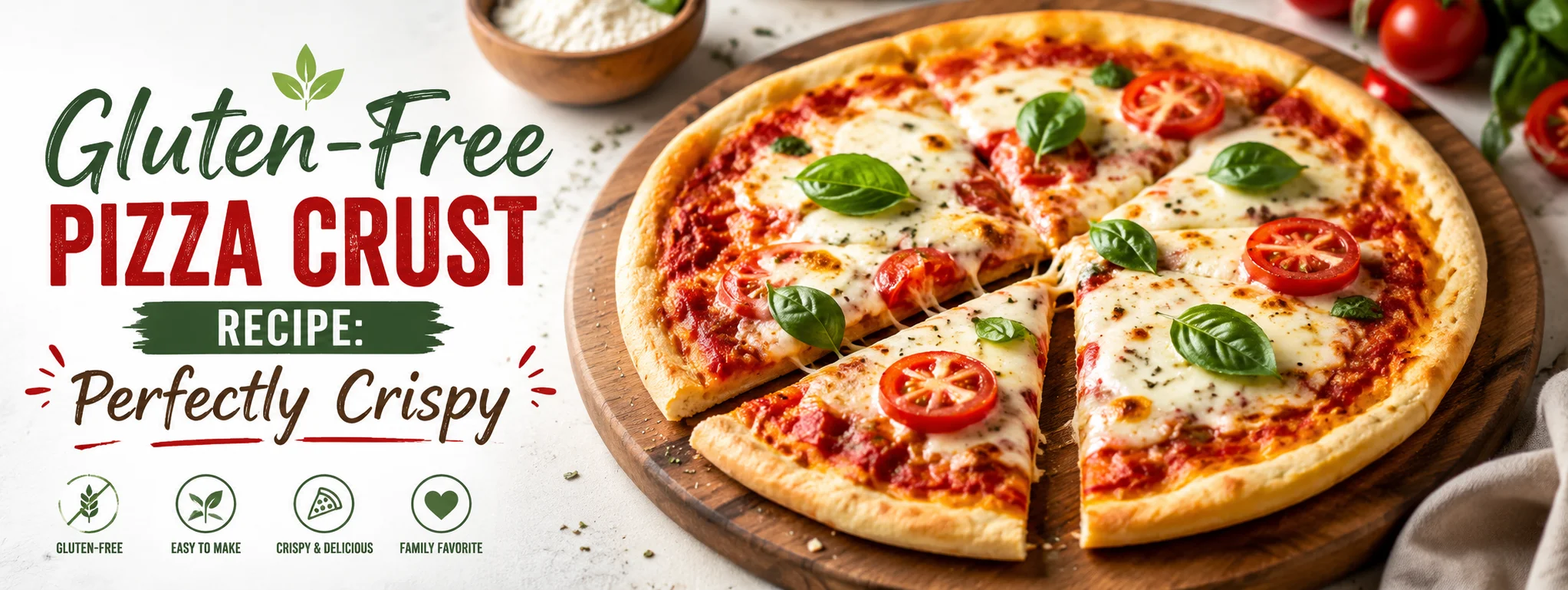
Finding a gluten-free pizza crust that is crispy on the outside, tender inside, and strong enough to hold your favorite toppings can be challenging. Many gluten-free crusts turn out too dry, too crumbly, or disappointingly soft. Fortunately, with the right ingredients and a few simple techniques, you can make a delicious homemade gluten-free pizza crust that rivals your favorite pizzeria.
This gluten-free pizza crust recipe is easy to prepare and creates a golden, crispy base with a light and satisfying texture. Whether you follow a gluten-free diet or simply want to try something different, this recipe is worth adding to your kitchen routine.
Why This Gluten-Free Pizza Crust Works
Traditional pizza dough relies on gluten to create elasticity and structure. Gluten-free dough needs a little extra help to achieve a similar result.
The combination of gluten-free flour, starch, yeast, and a few supporting ingredients creates a dough that is flexible enough to shape while still becoming crisp during baking.
The Secret to a Crispy Crust
The key to achieving a perfectly crispy crust is removing excess moisture and baking the dough at a high temperature. Preheating your oven and baking surface thoroughly before the pizza goes in can make a major difference.
A lightly oiled crust also helps create a beautifully golden exterior without making the pizza greasy.
Ingredients You’ll Need
For one medium-sized pizza crust, gather the following ingredients:
- 1 ½ cups gluten-free all-purpose flour
- ½ cup tapioca starch or tapioca flour
- 1 teaspoon instant yeast
- 1 teaspoon baking powder
- ½ teaspoon salt
- 1 teaspoon sugar
- ¾ cup warm water
- 2 tablespoons olive oil
- 1 teaspoon apple cider vinegar
Make sure your flour blend is certified gluten-free if you are preparing this pizza for someone with celiac disease or a serious gluten sensitivity.
How to Make Gluten-Free Pizza Crust
Step 1: Combine the Dry Ingredients
Start by adding the gluten-free flour, tapioca starch, instant yeast, baking powder, salt, and sugar to a large mixing bowl.
Whisk everything together until the ingredients are evenly distributed. Mixing the dry ingredients first helps prevent pockets of salt, yeast, or baking powder from forming in the dough.
Step 2: Add the Wet Ingredients
Pour the warm water, olive oil, and apple cider vinegar into the dry mixture.
Use a wooden spoon or sturdy spatula to combine everything. Gluten-free dough usually looks different from traditional pizza dough. It may be softer, stickier, and more similar to a thick batter.
Avoid adding large amounts of extra flour simply because the dough feels sticky. Too much flour can result in a dense and dry crust.
Step 3: Let the Dough Rest
Cover the bowl with a clean kitchen towel or plastic wrap and let the dough rest for approximately 30 to 45 minutes.
This short resting period allows the yeast to work and gives the flour time to absorb the liquid. The dough should become slightly puffier during this time.
Step 4: Shape the Pizza
Place a sheet of parchment paper on your work surface and lightly brush it with olive oil.
Transfer the dough onto the parchment. Lightly oil your hands and gently press the dough into a round pizza shape.
Aim for a thickness of approximately ¼ inch for a crispier crust. If you prefer a softer and chewier pizza, make the center slightly thicker.
Step 5: Preheat the Oven
Preheat your oven to 450°F (230°C). If you have a pizza stone or heavy baking sheet, place it inside the oven while it preheats.
A hot baking surface immediately starts cooking the bottom of the crust, which helps produce a crisp texture.
The Best Way to Get a Crispy Gluten-Free Crust
Pre-Bake the Crust
For especially crispy results, pre-bake the shaped crust for approximately 8 to 10 minutes before adding your toppings.
This step helps the crust develop structure and prevents wet toppings from making the center soggy.
After pre-baking, remove the crust and add your sauce, cheese, and toppings.
Avoid Too Many Toppings
It can be tempting to load your pizza with cheese, vegetables, and meat, but excessive toppings can create extra moisture.
For the crispiest results, use a moderate amount of sauce and toppings. Spread the sauce into a thin, even layer and avoid placing watery vegetables directly onto the crust without preparing them first.
Topping Ideas for Gluten-Free Pizza
Once your crust is ready, you can customize it in countless ways.
Classic Margherita
Try tomato sauce, fresh mozzarella, basil, olive oil, and a small amount of Parmesan. This simple combination allows the crispy crust to shine.
Chicken and Vegetable
Add grilled chicken, bell peppers, onions, mushrooms, mozzarella, and a light layer of tomato sauce for a filling option.
Spicy Pepperoni
For a classic comfort-food pizza, use tomato sauce, mozzarella, pepperoni, and a sprinkle of chili flakes.
You can also experiment with pesto, roasted vegetables, spinach, olives, or different varieties of cheese.
Common Mistakes to Avoid
One of the biggest mistakes is using too much liquid. Gluten-free dough already has a different structure from regular pizza dough, so excessive water can produce a soft and difficult-to-crisp crust.
Another common mistake is failing to preheat the oven properly. A lukewarm oven can leave the crust pale and soft.
Finally, avoid slicing the pizza immediately after removing it from the oven. Allowing it to rest for a few minutes helps the crust firm up while keeping the toppings warm.
How to Store Leftover Pizza
If you have leftover slices, let them cool completely before placing them in an airtight container. Refrigerate them for up to three days.
To restore some of the crispiness, reheat the pizza in an oven or air fryer rather than a microwave. A hot skillet can also work well for reheating individual slices.
For longer storage, wrap individual slices tightly and freeze them. Reheat directly from frozen in a hot oven until the crust is crisp and the cheese is bubbling.
Final Thoughts
This gluten-free pizza crust recipe proves that avoiding gluten does not mean giving up crispy, satisfying homemade pizza. With a reliable gluten-free flour blend, the right amount of moisture, and a properly heated oven, you can create a golden crust that is crisp around the edges and tender in the middle.