
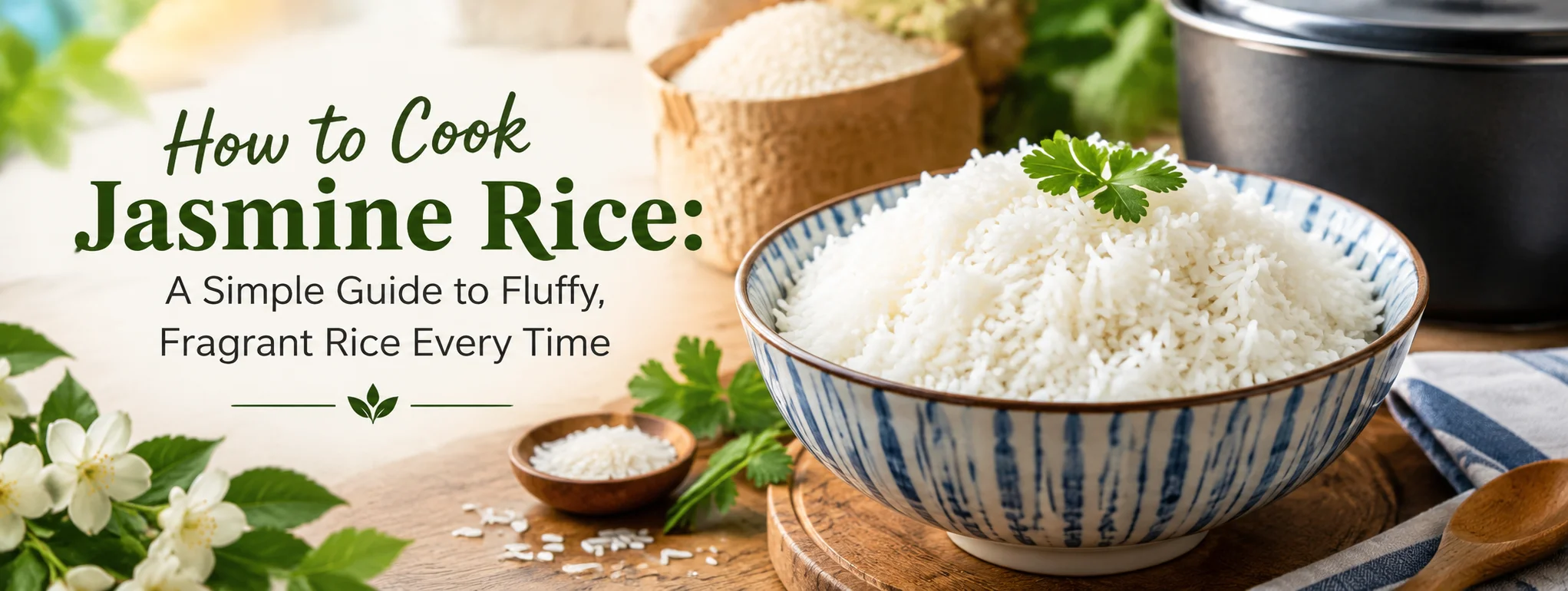
Learning how to cook jasmine rice is an easy way to prepare delicious, aromatic rice for everyday meals. Known for its delicate floral fragrance, soft texture, and slightly sweet flavor, jasmine rice is a popular choice for Asian-inspired dishes, curries, stir-fries, grilled chicken, and fresh vegetables. With the right amount of water, a reliable cooking method, and a little patience, you can make perfectly fluffy rice at home without complicated equipment.
The secret to excellent jasmine rice is understanding how to rinse it, measure the water correctly, control the heat, and allow the grains to rest after cooking. Whether you are preparing a quick weeknight dinner or a special family meal, this practical guide will help you achieve consistent results. You will also discover common mistakes to avoid, helpful storage tips, and simple ways to serve your rice for a satisfying meal.
Understanding Jasmine Rice Before Cooking
Jasmine rice is a fragrant, long-grain variety commonly associated with Thai cuisine and other Southeast Asian dishes. Its natural aroma and tender texture make it different from basmati rice, which generally has a longer, more separate grain structure when cooked.
Jasmine rice becomes soft and slightly sticky while retaining its individual grains when prepared correctly. This quality makes it especially delicious alongside flavorful sauces, curries, vegetables, seafood, and meat.
Before you begin, check the package instructions because different brands and varieties may require slightly different amounts of water and cooking times.
Ingredients Needed to Cook Jasmine Rice
You only need a few basic ingredients to prepare excellent jasmine rice on the stovetop.
- 1 cup jasmine rice: Provides approximately three cups of cooked rice, depending on the variety and cooking method.
- 1¼ cups water: A useful starting ratio for many stovetop methods, although some brands require more.
- ¼ teaspoon salt: Optional, but it can enhance the natural flavor.
- 1 teaspoon butter or oil: Optional for a richer taste and slightly different texture.
For the best results, measure the rice and water with the same measuring cup. Accurate measurements help you maintain a consistent texture every time you cook.
How to Cook Jasmine Rice on the Stovetop
The stovetop method is simple, affordable, and reliable once you understand the correct process. Follow these steps to prepare fragrant, tender rice without making it mushy or dry.
Step 1: Measure the Rice Carefully
Start by measuring one cup of uncooked jasmine rice. Place it in a bowl or fine-mesh strainer before rinsing.
Measuring the rice before washing helps you determine how much water to use. Avoid estimating the quantity, particularly when you are cooking for several people.
If you need a larger batch, increase the rice and water proportionally while keeping the pot large enough to accommodate the rice as it expands.
Step 2: Rinse the Rice Thoroughly
Rinsing jasmine rice removes excess surface starch, which can otherwise make the finished rice overly sticky.
Place the rice in a bowl, add cool water, and gently swirl the grains with your fingers. Drain the cloudy water and repeat the process two or three times, until the water becomes noticeably clearer.
You do not necessarily need perfectly transparent water. A few rinses are generally sufficient for everyday cooking.
Drain the rice well before adding it to the cooking pot. Excess water can affect the carefully measured rice-to-water ratio.
Step 3: Add the Correct Amount of Water
Transfer the rinsed rice to a saucepan with a tight-fitting lid. Add approximately 1¼ cups of fresh water for every cup of rice as a starting point.
Add salt if desired. You can also include a small amount of butter or oil for extra richness, although neither ingredient is necessary.
The ideal water ratio depends on your rice brand, saucepan, and cooking method. If your package recommends a different ratio, follow those instructions first. Avoid adding too much water because jasmine rice naturally has a tender texture and can quickly become mushy.
Step 4: Bring the Water to a Boil
Place the saucepan over medium-high heat and bring the water to a gentle boil.
Once the water begins bubbling, stir the rice briefly if necessary to prevent it from settling at the bottom. Avoid frequent stirring because it can release additional starch and disturb the cooking process.
As soon as the water reaches a boil, reduce the heat to its lowest setting and cover the saucepan securely.
Step 5: Simmer the Rice Gently
Allow the rice to cook for approximately 12–15 minutes, or according to the package directions.
Keep the heat low enough to maintain a gentle simmer. High heat can cause the water to evaporate too quickly, leaving the grains undercooked while the bottom becomes scorched.
Keep the lid closed during cooking. Lifting it repeatedly releases steam, which is essential for evenly cooking the grains.
If your saucepan has a thin base, pay particular attention to the heat because the rice may stick or brown before it finishes cooking.
Step 6: Let the Rice Rest
When the cooking time is complete, turn off the heat and leave the covered saucepan undisturbed for another 5–10 minutes.
This resting period allows the remaining moisture to distribute throughout the rice. The grains become more evenly tender, and excess surface moisture can settle.
Do not skip this step if you want a fluffy, restaurant-style result. Even if the rice looks finished, a few minutes of resting can make a noticeable difference.
Step 7: Fluff and Serve
Remove the lid and gently separate the grains with a fork or rice paddle.
Lift and loosen the rice instead of stirring aggressively. This helps preserve the delicate texture and prevents the grains from becoming mashed together.
Serve the rice while warm alongside your favorite main dish. Add fresh herbs, toasted sesame seeds, or a little lime juice if they complement the meal.
Jasmine Rice Water Ratio and Cooking Time
Getting the water ratio right is one of the most important parts of learning how to cook jasmine rice. The following table provides a practical starting point for stovetop cooking.
| Uncooked Jasmine Rice | Water | Approximate Cooking Time | Expected Cooked Amount |
|---|---|---|---|
| 1 cup | 1¼ cups | 12–15 minutes | About 3 cups |
| 2 cups | 2½ cups | 12–15 minutes | About 6 cups |
| 3 cups | 3¾ cups | 15–18 minutes | About 9 cups |
| 4 cups | 5 cups | 15–20 minutes | About 12 cups |
These are estimates, not universal measurements. Actual cooking time and yield vary by rice brand, pot size, and heat level. Follow package instructions when available, and allow additional resting time after cooking.
For larger batches, use a suitably sized saucepan and avoid filling it so high that steam cannot circulate effectively.
How to Cook Jasmine Rice in a Rice Cooker
A rice cooker is another convenient way to prepare jasmine rice, especially when you want consistent results with minimal supervision.
Prepare the Rice
Measure your rice, rinse it two or three times, and drain it thoroughly. Transfer the rice to the rice cooker’s inner pot.
Add Water
Add the amount of water recommended by your rice cooker manufacturer or the rice package. Some cookers have measurement markings specifically designed for different rice quantities.
Avoid assuming that every rice cooker requires the same ratio. Start with the manufacturer’s guidance and adjust slightly after evaluating the finished texture.
Start the Cooking Cycle
Close the lid and select the standard white-rice setting if your appliance offers one. Allow the cooker to complete its cycle without repeatedly opening the lid.
Rest Before Serving
Once the cooking cycle finishes, leave the rice covered for approximately 5–10 minutes if the appliance instructions permit it. Fluff gently before serving.
This method is particularly useful for meal preparation, family dinners, and busy evenings when you need to focus on other dishes.
Five Tips for Perfectly Fluffy Jasmine Rice
Small adjustments can transform an ordinary pot of rice into a fragrant and delicious side dish.
- Rinse before cooking: Removing excess surface starch helps prevent an overly gummy texture.
- Measure the water accurately: Too much water can make the rice soggy, while too little may leave the center hard.
- Keep the lid closed: Trapped steam helps cook the grains evenly and prevents unnecessary moisture loss.
- Use low heat: Gentle simmering reduces the risk of burning the bottom of the saucepan.
- Allow enough resting time: Resting for 5–10 minutes helps the grains finish absorbing moisture before you fluff them.
These simple habits make it easier to achieve reliable results, whether you are cooking a single serving or preparing a larger family meal.
Common Jasmine Rice Cooking Mistakes to Avoid
Even a straightforward recipe can produce disappointing results when a few important details are overlooked. Understanding these common problems will help you improve your technique.
Adding Too Much Water
Excess water is one of the most frequent causes of mushy jasmine rice. Because the grains are naturally tender, they do not need to be excessively wet to cook properly.
Use a measured ratio and adjust it gradually if your rice consistently turns out too soft.
Cooking at Excessively High Heat
High heat can evaporate water before the grains finish cooking. It may also cause rice to stick to the bottom of the pot.
Once the water boils, reduce the heat to its lowest effective setting and keep the saucepan covered.
Opening the Lid Too Often
Every time you remove the lid, steam escapes. This can interrupt the cooking process and leave the rice unevenly tender.
Trust the cooking time and check the rice only after the recommended simmering period.
Skipping the Resting Period
Serving rice immediately after turning off the heat can produce uneven texture. Some grains may feel wetter than others.
Let the covered rice rest for several minutes before fluffing it gently with a fork.
Stirring Too Much
Frequent stirring can break delicate grains and release extra starch. For fluffy rice, keep stirring to a minimum during cooking and fluff only after the resting period.
How to Fix Undercooked or Mushy Jasmine Rice
If your rice does not turn out as expected, you can often improve its texture without starting over.
If the Rice Is Too Hard
If the grains are still firm and the water has disappeared, add one or two tablespoons of hot water. Cover the saucepan and cook over very low heat for another 3–5 minutes.
Check the texture again and repeat with a small amount of water if necessary. Let the rice rest before serving.
If the Rice Is Too Wet
If the grains are tender but excess water remains, carefully drain the liquid if there is a substantial amount.
If the rice is only slightly wet, leave the lid off briefly over very low heat, watching closely to avoid scorching. You can also spread the rice in a shallow dish to help excess moisture escape.
If the Bottom Is Burned
Remove the saucepan from the heat immediately. Transfer the unburned rice from the top into a clean serving dish without scraping the bottom.
This helps prevent the burnt flavor from spreading throughout the entire batch.
Delicious Ways to Serve Jasmine Rice
Jasmine rice is versatile enough to complement simple meals and more elaborate recipes. Its fragrant flavor pairs especially well with dishes that include savory sauces, aromatic spices, and fresh ingredients.
Try serving it with:
- Thai green curry, red curry, or coconut-based vegetable curry.
- Stir-fried chicken, beef, shrimp, or tofu with fresh vegetables.
- Grilled fish with lemon, garlic, and herbs.
- Roasted vegetables with a flavorful soy or ginger sauce.
- Rice bowls topped with eggs, sautéed mushrooms, edamame, or crispy tofu.
You can also use cooled jasmine rice to prepare fried rice. For the best texture, refrigerate the cooked rice promptly and use it within a safe storage period. Chilled grains are often easier to separate in a hot pan than freshly cooked rice.
How to Store and Reheat Cooked Jasmine Rice Safely
Proper storage helps preserve the taste and texture of leftover jasmine rice while reducing food safety risks.
Transfer leftover rice into shallow containers and refrigerate it promptly, ideally within one hour of cooking. Do not leave cooked rice at room temperature for extended periods because bacteria associated with rice, including Bacillus cereus, can produce toxins under unsuitable storage conditions.
Keep refrigerated rice at 40°F (4°C) or below and use it within 3–4 days. For longer storage, freeze it in airtight, portion-sized containers.
When reheating, add a small splash of water to help restore moisture. Heat the rice until it is steaming hot throughout, reaching 165°F (74°C) if checking with a food thermometer. Reheat only the portion you intend to eat, and avoid repeatedly cooling and reheating the same batch.
Frequently Asked Questions
1. How long does jasmine rice take to cook?
Jasmine rice typically takes 12–15 minutes to simmer on the stovetop, followed by 5–10 minutes of resting. Exact times depend on the rice variety and cooking method.
2. Should I rinse jasmine rice before cooking?
Yes. Rinsing two or three times helps remove excess surface starch and can improve the finished texture.
3. What is the best water ratio for jasmine rice?
A useful starting point is 1¼ cups of water for every cup of uncooked jasmine rice. Always check your package instructions because recommended ratios vary.
4. Why is my jasmine rice sticky or mushy?
Too much water, insufficient draining, or excessive stirring can make the rice overly sticky. Measure carefully and avoid disturbing the grains during cooking.
5. Can I cook jasmine rice without a rice cooker?
Yes. A regular saucepan with a tight-fitting lid works well. Bring the water to a boil, reduce the heat, cover, simmer gently, and allow the rice to rest before serving.
Final Thoughts
Learning how to cook jasmine rice does not require special equipment or advanced cooking skills. The most important steps are rinsing the grains, measuring the water carefully, maintaining low heat, keeping the lid closed, and allowing the rice to rest before serving.
Start with a ratio of one cup of jasmine rice to approximately 1¼ cups of water, then adjust according to your rice brand and preferred texture. With a little practice, you can prepare fragrant, fluffy rice that complements everything from comforting homemade curries to fresh vegetable bowls and flavorful stir-fries.
Follow these simple techniques, avoid common cooking mistakes, and enjoy delicious jasmine rice as a dependable part of your everyday meals.