
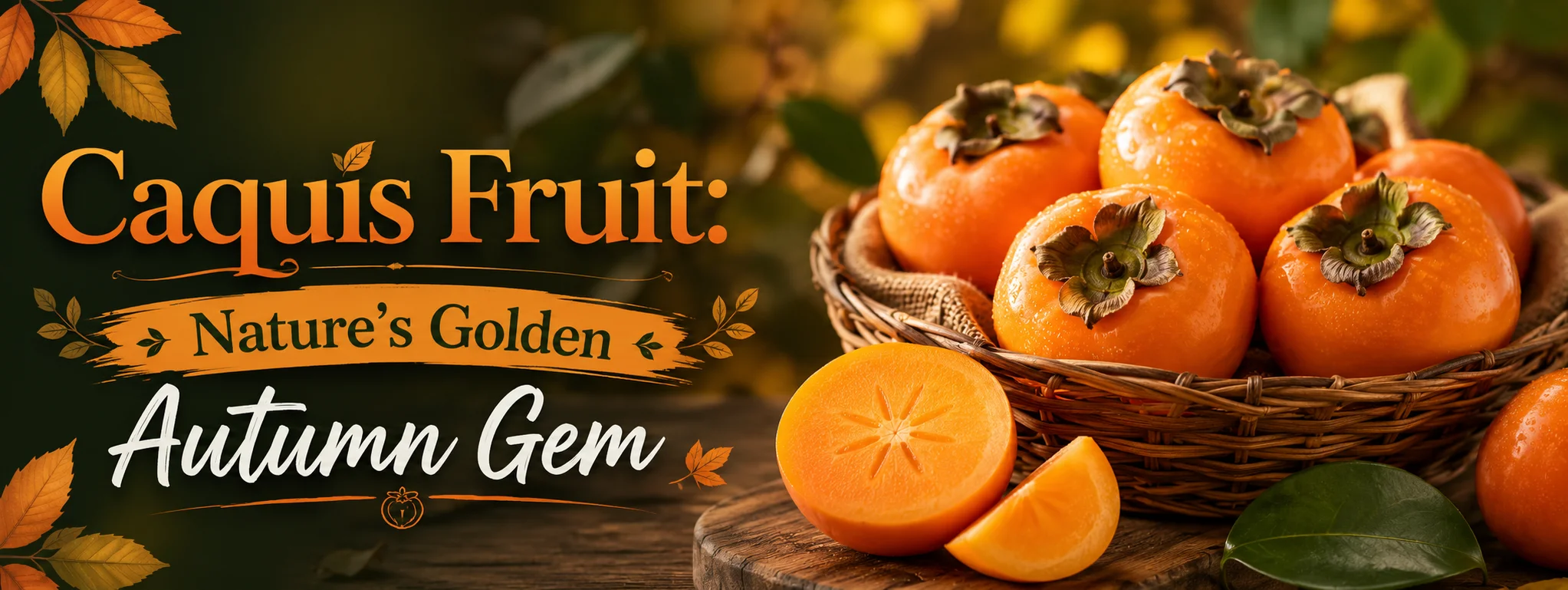
As autumn sets in and produce aisles fill with apples, pears, and squashes, one vibrant fruit stands out with its glowing orange hue: the caquis fruit. Also widely known as the persimmon (Diospyros kaki), this ancient, honey-sweet delicacy has captivated taste buds across East Asia, the Mediterranean, and North America for thousands of years.
Despite its rich history, enticing flavor, and dense nutritional profile, caquis remains somewhat underappreciated in many western kitchens. Many first-time buyers find themselves intimidated by its unusual texture variations or unsure of how to properly ripen and prepare it.
This comprehensive guide covers everything you need to know about caquis fruit—from its origins and distinct varieties to its health benefits, culinary uses, and essential storage tips
What is Caquis Fruit? Origins and Cultivation
The word caquis (pronounced kah-kee) comes from the Japanese name kaki (柿). Botanically classified as a berry, caquis grows on trees belonging to the genus Diospyros, which translates from ancient Greek to “fruit of the gods” or “divine wheat.”
A Rich Historical Heritage
-
East Asian Roots: Caquis originated in East Asia, particularly China and Japan, where it has been cultivated for over 2,000 years. It was cherished not only as a sweet food source but also for its traditional medicinal properties and aesthetic beauty during the fall harvest.
-
Global Spread: In the 19th century, trade routes carried caquis trees to California, Southern Europe (especially Spain and Italy), and South America (notably Brazil).
-
Protected Designation of Origin: Spain’s Ribera del Xúquer region produces a famous PDO-protected variety known as “Persimon,” which is crisp like an apple yet sweet like honey.
Caquis trees are hardy and deciduous, losing their leaves in late autumn. As the foliage drops, the bright orange fruits remain hanging on bare branches like glowing lanterns, creating a stunning winter landscape.
Understanding the Two Main Types of Caquis
The single most important rule when buying and eating caquis fruit is understanding the distinction between astringent and non-astringent varieties. Eating an unripe astringent caquis is a memorable mistake—high levels of soluble tannins cause an immediate, mouth-puckering dry sensation.
1. Astringent Caquis (e.g., Hachiya)
Astringent varieties are typically acorn- or heart-shaped, featuring a pointed bottom.
-
Unripe State: High in tannins, making them unpalatable and extremely bitter.
-
Ripe State: They must become completely soft, gelatinous, and squishy to the touch before eating. When fully ripe, the tannins convert into simple sugars, resulting in a rich, pudding-like pulp with notes of honey, cinnamon, and brown sugar.
-
Best Uses: Baking, purees, smoothies, jams, or eating directly with a spoon out of the skin.
2. Non-Astringent Caquis (e.g., Fuyu & Sharon Fruit)
Non-astringent varieties are squat, flat-bottomed, and resemble small tomato shapes.
-
Unripe/Firm State: Low in soluble tannins, meaning they can be eaten while firm and crisp.
-
Texture & Flavor: Eaten firm like a sweet apple or allowed to soften slightly for a juicier texture. The skin is thin, edible, and offers a refreshing crunch.
-
Best Uses: Fresh snacking, slicing into salads, fruit platters, and baking.
Nutritional Profile and Health Benefits
Caquis is a nutrient-dense superfood packed with vitamins, minerals, and potent antioxidant compounds.
| Nutrient | Per Medium Fruit (~168g) | Key Benefit |
| Calories | ~118 kcal | Energy-dense snack |
| Dietary Fiber | 6g (24% DV) | Supports digestion & gut health |
| Vitamin A | 55% DV | Promotes vision & immune function |
| Vitamin C | 22% DV | Fights oxidative stress |
| Manganese | 30% DV | Supports bone & metabolic health |
| Potassium | 8% DV | Helps regulate blood pressure |
Key Health Benefits
-
Rich in Antioxidants: Caquis is loaded with beta-carotene, lutein, lycopene, and flavonoids. These antioxidants help neutralize free radicals, lowering systemic inflammation and reducing the risk of chronic conditions like heart disease.
-
Promotes Cardiovascular Health: High dietary fiber content helps bind cholesterol in the digestive tract, aiding in its excretion. Potassium relaxes blood vessel walls, helping maintain healthy blood pressure levels.
-
Supports Digestive Health: A single caquis provides nearly a quarter of your daily recommended fiber intake. Soluble fiber bulks up stool, feeds beneficial gut bacteria, and keeps digestion regular.
-
Protects Eye Health: Packed with Vitamin A, lutein, and zeaxanthin, caquis helps safeguard eye tissue against age-related macular degeneration and night blindness.
-
Anti-Inflammatory Properties: Compounds such as gallic acid and tannic acid give caquis gentle anti-inflammatory benefits, supporting overall cell longevity and immune response.
How to Select, Ripen, and Store Caquis
Knowing how to handle caquis ensures you get the best flavor without any unpleasant tannic astringency.
Selection Tips
-
Color: Look for deep, uniform color—ranging from bright yellow-orange to deep reddish-orange. Avoid fruits with green skin unless you plan to let them ripen slowly.
-
Skin Texture: Choose fruits with smooth, unblemished skin. Small surface scratches are normal, but avoid deep bruises or soft spots on firm varieties.
-
Calyx: The green leafy top (calyx) should remain intact and look fresh rather than dry or moldy.
Ripening Techniques
-
Firm Non-Astringent (Fuyu): Ready to eat immediately upon purchase, though you can leave them at room temperature if you prefer a softer texture.
-
Astringent (Hachiya): If firm, leave them on the counter at room temperature. They can take 3 to 10 days to soften completely.
-
The Paper Bag Trick: To speed up ripening, place astringent caquis in a paper bag with an ethylene-producing fruit like a banana or apple.
Storage Rules
-
Unripe/Firm: Store on the counter at room temperature away from direct sunlight.
-
Fully Ripe: Soft astringent caquis spoil quickly; store them in the refrigerator crisper drawer for up to 3 to 5 days.
-
Freezing: Ripe caquis pulp freezes well. Scoop out the gel-like pulp, store it in an airtight container, and freeze for up to 6 months for future use in smoothies or baking.
Delicious Ways to Enjoy Caquis in the Kitchen
Caquis is surprisingly versatile and transitions seamlessly between sweet and savory dishes.
Simple Culinary Ideas
-
Fresh Snacking: Wash a crisp non-astringent caquis, slice off the stem, and eat it like an apple—skin included.
-
Autumn Salads: Slice firm caquis thinly and toss with baby arugula, goat cheese, toasted walnuts, and a simple balsamic vinaigrette.
-
Caquis Toast: Spread ricotta or cream cheese over toasted sourdough, top with thin caquis slices, and drizzle with honey and crushed pistachios.
-
Baking & Desserts: Scoop out soft astringent caquis pulp and use it in place of applesauce or mashed bananas in muffins, bread, and cakes.
-
Hoshigaki (Traditional Dried Caquis): In Japan, whole astringent caquis are peeled, hung on strings, and massaged daily over several weeks. This yields a chewy, dusted delicacy concentrated with natural fruit sugars.
Frequently Asked Questions (FAQs)
1. Can you eat the skin of a caquis fruit?
Yes, the skin of a caquis fruit is non-toxic and edible. Non-astringent varieties (like Fuyu) have thin, tender skin that adds a nice crunch. The skin on soft astringent varieties (like Hachiya) is tougher, so most people prefer to slice the top off and scoop the soft pulp out with a spoon.
2. Why does my mouth feel dry and fuzzy after eating caquis?
That unpleasant, cotton-mouthed feeling is caused by soluble tannins in an unripe astringent caquis. Tannins bind to saliva proteins, causing your mouth to feel dry and astringent. To avoid this, always wait until heart-shaped caquis varieties are squishy and jelly-soft before eating.
3. Is caquis the same thing as a persimmon?
Yes. “Caquis” is simply the Spanish, Portuguese, and French name for the Asian persimmon (Diospyros kaki). In English-speaking markets, it is commonly labeled as persimmon, Sharon fruit, or Kaki.
4. Are the black spots inside a caquis safe to eat?
Yes, small brown or black specks inside the fruit pulp are harmless. They are natural sugar specks or tiny, infertile seed pockets. They do not affect the taste or quality of the fruit.
5. Can diabetics eat caquis fruit?
Yes, in moderation. While caquis contains natural fruit sugars, it also offers a high amount of dietary fiber (6g per fruit), which helps prevent sharp blood sugar spikes. Pairing caquis with a protein or healthy fat (like almonds or Greek yogurt) further stabilizes glucose response.
Final Thoughts
The caquis fruit is a true seasonal highlight, offering a warm blend of sweetness, crisp texture, and vital nutrients right when the weather turns cooler. Whether you enjoy a crisp Fuyu sliced into a fresh salad or scoop the honeyed pulp of a soft Hachiya into winter baked goods, caquis brings a touch of healthy indulgence to any meal.
1 thought on “Caquis Fruit: Nature’s Golden Autumn Gem”