
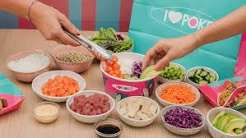
Finding a meal that balances flavour, variety, and convenience can be challenging when schedules are busy. Customizable poke bowls offer a flexible option by combining a base, protein, vegetables, sauces, and toppings in one meal. This approach allows diners to experiment with different flavour combinations while choosing ingredients that suit their preferences.
Originally inspired by Hawaiian poke, the modern poke bowl has become popular in fast-casual dining because it offers a wide range of combinations. From salmon and tuna to chicken and plant-based proteins, the format can accommodate different tastes without requiring every diner to order the same dish.
Understanding the components of a poke bowl can make it easier to build a satisfying meal and discover new combinations.
What Makes a Poke Bowl Different?
A poke bowl is typically built around bite-sized ingredients served over a base such as rice or greens. Traditional Hawaiian poke has roots in preparations of seasoned raw fish, while contemporary restaurant menus offer a broader selection of proteins, vegetables, sauces, and toppings.
This flexibility is one reason poke bowls appeal to people with different food preferences. Some diners favour seafood and traditional seasonings, while others prefer cooked chicken, tofu, or vegetable-focused combinations.
A well-constructed bowl brings together contrasting textures and flavours. Creamy avocado can complement crisp vegetables, while tangy sauces and crunchy toppings add variety to each bite.
The result is a meal that can be adapted to personal taste rather than following a single fixed recipe.
Start With the Right Base
The base establishes the foundation of a poke bowl and influences its texture and overall character.
White rice is a popular choice because its mild flavour pairs well with seafood, vegetables, and savoury sauces. Brown rice offers a slightly nuttier taste and a firmer texture.
Mixed greens provide a lighter alternative, particularly for diners who prefer a salad-style bowl. Some menus also feature noodles or other specialty bases that create different combinations.
When selecting a base, consider the ingredients that will go on top. Rice works well with rich sauces and hearty proteins, while greens can complement fresh vegetables and lighter dressings.
Portion size also matters. Choosing an appropriate base and balancing it with protein and vegetables can help create a meal that feels satisfying without overwhelming the other flavours.
Choose a Protein That Matches Your Taste
Protein is often the centrepiece of a poke bowl. Seafood is a familiar choice, but cooked and plant-based alternatives allow diners to explore a wider range of flavours.
Salmon has a rich texture that pairs well with avocado, cucumber, mango, and sesame-based sauces. Tuna offers a distinct flavour and works with ingredients such as scallions, seaweed, and ponzu.
Cooked shrimp can add a delicate seafood flavour, while teriyaki chicken introduces a sweeter, savoury profile. Chicken katsu provides a crisp texture that contrasts with fresh vegetables and softer ingredients.
Tofu can be a useful plant-based option because it absorbs sauces and seasonings well. Combined with edamame, greens, and vegetables, it can form the basis of a satisfying vegetarian bowl.
When ordering seafood intended to be eaten raw, diners should consider food safety and choose reputable establishments that handle and store ingredients appropriately.
Add Colour, Texture, and Fresh Ingredients
Vegetables and other toppings contribute more than visual appeal. They introduce different textures, flavours, and nutrients that help make each bowl distinctive.
Cucumber provides freshness and crunch, while edamame adds a firm texture and plant-based protein. Red onion and scallions offer sharper flavours, and seaweed salad introduces a savoury taste associated with many poke preparations.
Mango can provide sweetness that balances spicy sauces, while avocado adds a creamy element. Ingredients such as corn, tomatoes, ginger, and jalapeños allow diners to adjust the overall flavour profile.
The key is balance. Combining every available topping may create a crowded bowl in which individual flavours become difficult to distinguish. Selecting a few complementary ingredients often produces a more enjoyable result.
Find the Right Sauce for Your Bowl
Sauce can transform a simple combination of rice, protein, and vegetables into a distinctive meal. However, different sauces vary considerably in sweetness, acidity, saltiness, and heat.
Ponzu offers a citrus-forward flavour that can complement seafood and fresh vegetables. Sesame-ginger sauces provide a savoury, aromatic profile, while teriyaki introduces sweetness and depth.
Spicy mayonnaise-style sauces can add richness and heat, but a smaller amount may be sufficient when the bowl already contains strongly seasoned ingredients.
For a balanced combination, consider how the sauce interacts with the protein and toppings. A rich sauce may work well with crisp vegetables, while a citrus-based option can brighten a bowl containing salmon or tuna.
Diners with allergies or dietary restrictions should ask about sauce ingredients and cross-contact procedures rather than assuming that a particular sauce is suitable.
Exploring Different Poke Bowl Combinations
One advantage of customizable bowls is the opportunity to try different combinations without changing the entire meal format.
A salmon bowl with rice, cucumber, edamame, mango, and a citrus-based sauce can offer a mixture of rich, fresh, and tangy flavours.
A chicken bowl with rice, cabbage, scallions, and a savoury sauce provides a different experience, with cooked protein and contrasting textures.
For a plant-based option, tofu, mixed greens, avocado, cucumber, and sesame dressing can create a combination with varied textures and flavours.
Diners who enjoy stronger flavours may prefer spicy sauces, pickled ingredients, and crunchy toppings. Those who favour a milder meal can focus on fresh vegetables, lightly seasoned proteins, and simpler dressings.
Experimenting with one or two ingredients at a time can help identify combinations worth ordering again.
Making Poke Bowls Part of a Balanced Eating Pattern
Poke bowls can provide a mixture of food groups, depending on the ingredients selected. Seafood, chicken, tofu, and edamame can contribute protein, while vegetables provide fibre and a range of micronutrients.
Rice and other bases supply carbohydrates, which provide energy. Avocado, seeds, and certain sauces contribute fats, although the nutritional profile varies according to portion size and preparation.
A bowl is not automatically nutritious simply because it contains vegetables or fish. Large portions, rich sauces, fried toppings, and high-sodium ingredients can significantly change its overall nutritional content.
People managing specific dietary needs should consider the full ingredient list and ask the restaurant for available nutritional or allergen information.
The most suitable combination depends on individual preferences, portion needs, and overall eating habits rather than a single definition of a perfect bowl.
Convenience Without Giving Up Variety
Customizable meals can be particularly useful for busy professionals, students, and families who want several options from one menu.
A restaurant that offers different bases, proteins, and toppings can accommodate varying preferences within the same group. One person might choose salmon and rice, another might prefer cooked chicken, and someone else may select tofu and greens.
For people exploring poke bowls in New York City, Poke Bowl NY offers Hawaiian-style bowls, sushi burritos, and customizable ingredient combinations across multiple locations.
The ability to order for pickup or delivery can also make these meals convenient for lunch breaks and busy evenings. However, diners should consider delivery time and food-handling practices, particularly when an order contains seafood intended to be eaten raw.
Choosing Where to Enjoy a Poke Bowl
A restaurant’s menu is only one factor when deciding where to eat. Ingredient handling, cleanliness, service, ordering options, and clear information about allergens are also important.
People who regularly order poke bowls may benefit from finding a location that offers consistent preparation and clearly explains its ingredients. Those ordering for a group should consider whether the menu provides enough variety for different preferences.
Before visiting, diners can review Poke Bowl NY locations to identify a convenient restaurant and explore available ordering options.
As with any restaurant meal, customers should communicate allergies and dietary requirements clearly and confirm ingredient details with staff when necessary.
Conclusion
Customizable poke bowls offer a flexible way to combine bases, proteins, vegetables, sauces, and toppings into a meal suited to individual preferences. Their variety makes it possible to explore different flavours while balancing freshness, texture, and convenience.
By choosing complementary ingredients, paying attention to portion sizes, and checking food safety and allergen information, diners can make more informed decisions when ordering.
Whether someone prefers salmon, cooked chicken, tofu, or a vegetable-focused combination, the appeal of a poke bowl lies in the ability to create a meal that reflects personal taste while offering plenty of room to experiment.
Disclaimer: This article provides general food and nutrition information. Ingredients and nutritional content vary by restaurant, recipe, and portion size. People with food allergies should confirm ingredients and cross-contact procedures directly with the restaurant.