
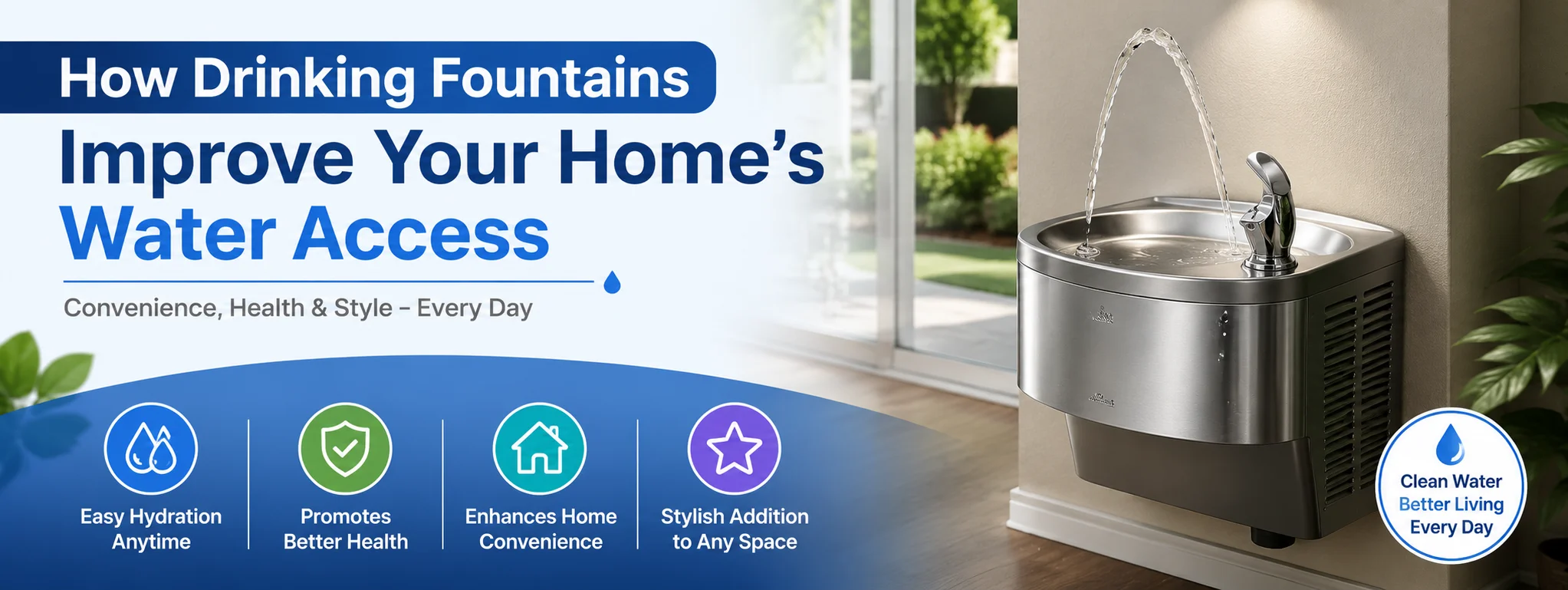
Access to clean, refreshing water is one of the most important aspects of a healthy home. While traditional kitchen faucets and bottled water have long been the standard, many homeowners are now choosing drinking fountains as a practical and convenient solution. Modern residential drinking fountains provide instant access to filtered water, encourage healthy hydration, and reduce dependence on disposable plastic bottles.
Whether you’re renovating your home, designing a new kitchen, or simply looking for ways to improve your family’s daily routine, installing a drinking fountain can be a smart investment. In this guide, we’ll explore how drinking fountains improve your home’s water access, their benefits, installation options, and tips for choosing the right model.
What Is a Home Drinking Fountain?
A home drinking fountain is a water dispensing fixture designed to provide easy access to clean drinking water. Unlike commercial fountains found in schools or parks, residential models are designed with modern aesthetics and compact sizes that blend seamlessly into kitchens, home gyms, patios, garages, and entertainment areas.
Many modern drinking fountains include advanced filtration systems that remove common contaminants while maintaining the natural taste of water.
Common Features Include
- Built-in water filtration
- Chilled water options
- Touchless activation
- Bottle filling stations
- Energy-efficient operation
- Stainless steel construction
- Compact wall-mounted or countertop designs
These features make drinking fountains an increasingly popular addition to modern homes.
Why Better Water Access Matters
Easy access to drinking water encourages everyone in the household to stay hydrated. When fresh water is always available, people are more likely to choose water over sugary drinks.
Better water access can also:
- Improve daily hydration habits
- Support overall health
- Reduce trips to purchase bottled water
- Make drinking water available in multiple areas of the home
- Provide convenience for children and elderly family members
Having water readily available throughout the day makes healthy living much easier.
Key Benefits of Installing a Drinking Fountain at Home
1. Instant Access to Fresh Water
One of the biggest advantages is convenience. Instead of waiting for water to cool in the refrigerator or constantly refilling pitchers, you have immediate access to fresh drinking water whenever you need it.
This is especially useful during:
- Summer months
- Family gatherings
- Outdoor activities
- Home workouts
- Cooking sessions
2. Encourages Healthy Hydration
Health experts recommend drinking enough water every day, yet many people fall short because clean water isn’t always conveniently available.
A drinking fountain makes hydration effortless by providing:
- Cold, refreshing water
- Easy accessibility
- Quick refills for reusable bottles
Children are often more likely to drink water when it’s easily accessible and enjoyable to use.
3. Reduces Plastic Bottle Waste
Many families rely heavily on bottled water. While convenient, bottled water creates significant plastic waste and ongoing expenses.
Installing a home drinking fountain helps:
- Reduce single-use plastics
- Lower household waste
- Encourage reusable water bottles
- Support environmentally friendly living
Over time, this simple change can have a meaningful environmental impact.
4. Saves Money Over Time
Although installing a drinking fountain requires an initial investment, it can reduce long-term costs.
Savings may come from:
- Buying fewer bottled water packs
- Lower delivery service expenses
- Reduced maintenance compared to water coolers
- Less need for replacement water filters in pitchers
Many homeowners recover the installation cost through years of reduced bottled water purchases.
Improved Water Quality with Filtration
Modern drinking fountains often include high-performance filtration systems.
These filters commonly remove:
- Chlorine
- Sediment
- Rust particles
- Lead
- Unpleasant odors
- Certain bacteria and contaminants
Filtered water generally tastes better, making family members more likely to stay hydrated.
Regular filter replacement helps maintain optimal water quality and system performance.
Ideal Locations for Home Drinking Fountains
Residential drinking fountains can be installed in several convenient locations.
Kitchen
The kitchen remains the most popular location because it provides easy access while cooking, eating, and entertaining guests.
Home Gym
A drinking fountain allows quick hydration during exercise without constantly visiting the kitchen.
Garage or Workshop
Perfect for homeowners working on DIY projects who need easy access to clean water.
Outdoor Patio
Weather-resistant models are excellent for backyards, outdoor kitchens, and pool areas.
Basement Recreation Room
Families spending time in entertainment rooms appreciate having nearby access to drinking water.
Different Types of Residential Drinking Fountains
Choosing the right fountain depends on your home’s layout and personal preferences.
Wall-Mounted Drinking Fountains
These save floor space and provide a clean, modern appearance.
Best for:
- Garages
- Utility rooms
- Home gyms
- Basements
Countertop Drinking Fountains
Easy to install without major renovations.
Ideal for:
- Apartments
- Small kitchens
- Rental homes
Bottle Filling Stations
These combine a traditional fountain with a bottle refill feature.
Benefits include:
- Faster bottle filling
- Reduced spills
- Better convenience
- Eco-friendly hydration
Chilled Water Fountains
Built-in cooling systems provide refreshing cold water throughout the day.
These are particularly popular in warmer climates.
Features to Look for Before Buying
Not every drinking fountain offers the same performance.
Consider these important features:
Water Filtration
Choose certified filtration systems that effectively remove contaminants.
Cooling System
If you prefer cold drinking water, select a model with refrigeration.
Touchless Operation
Sensor-activated fountains improve hygiene by minimizing physical contact.
Bottle Filling Capability
Useful for active families using reusable water bottles.
Durable Materials
Stainless steel resists corrosion, lasts longer, and is easy to clean.
Energy Efficiency
Modern models consume less electricity while maintaining excellent performance.
Installation Considerations
Professional installation ensures proper operation and compliance with plumbing requirements.
During installation, professionals typically evaluate:
- Existing plumbing connections
- Drainage options
- Electrical requirements for chilled units
- Wall support
- Water pressure
- Local building codes
Proper installation extends the fountain’s lifespan and minimizes future maintenance issues.
Maintenance Is Simple
One reason homeowners appreciate modern drinking fountains is their relatively low maintenance.
Routine care includes:
- Cleaning the basin weekly
- Replacing filters according to manufacturer recommendations
- Inspecting water flow
- Sanitizing dispensing areas
- Checking drainage periodically
Are Drinking Fountains Worth It?
For many households, the answer is yes.
A drinking fountain offers:
- Convenient access to clean water
- Improved hydration habits
- Better-tasting filtered water
- Lower plastic waste
- Reduced bottled water costs
- Increased home convenience
Families with children, fitness enthusiasts, and environmentally conscious homeowners often experience the greatest benefits.
Frequently Asked Questions
Do home drinking fountains need plumbing?
Most permanent models connect directly to your home’s water supply, although some countertop versions require minimal installation.
Is filtered water healthier?
A quality filtration system removes many impurities and improves taste, encouraging greater daily water consumption.
How often should filters be replaced?
Most manufacturers recommend replacement every 6 to 12 months, depending on water quality and usage.
Can drinking fountains dispense cold water?
Yes. Many residential models include built-in refrigeration systems for chilled drinking water.
Are they suitable for outdoor use?
Yes, provided you choose a weather-resistant model specifically designed for exterior installation.
Conclusion
Installing a drinking fountain is an effective way to improve your home’s water access while promoting healthier hydration habits. With instant access to clean, filtered water, your family can enjoy greater convenience, reduce reliance on bottled water, and lower long-term costs.
Modern residential drinking fountains are available in a wide range of styles, from compact countertop units to sophisticated bottle-filling stations with touchless technology. Whether placed in the kitchen, home gym, garage, or outdoor living area, they provide a practical solution that combines convenience, sustainability, and improved water quality.
1 thought on “How Drinking Fountains Improve Your Home’s Water Access”