
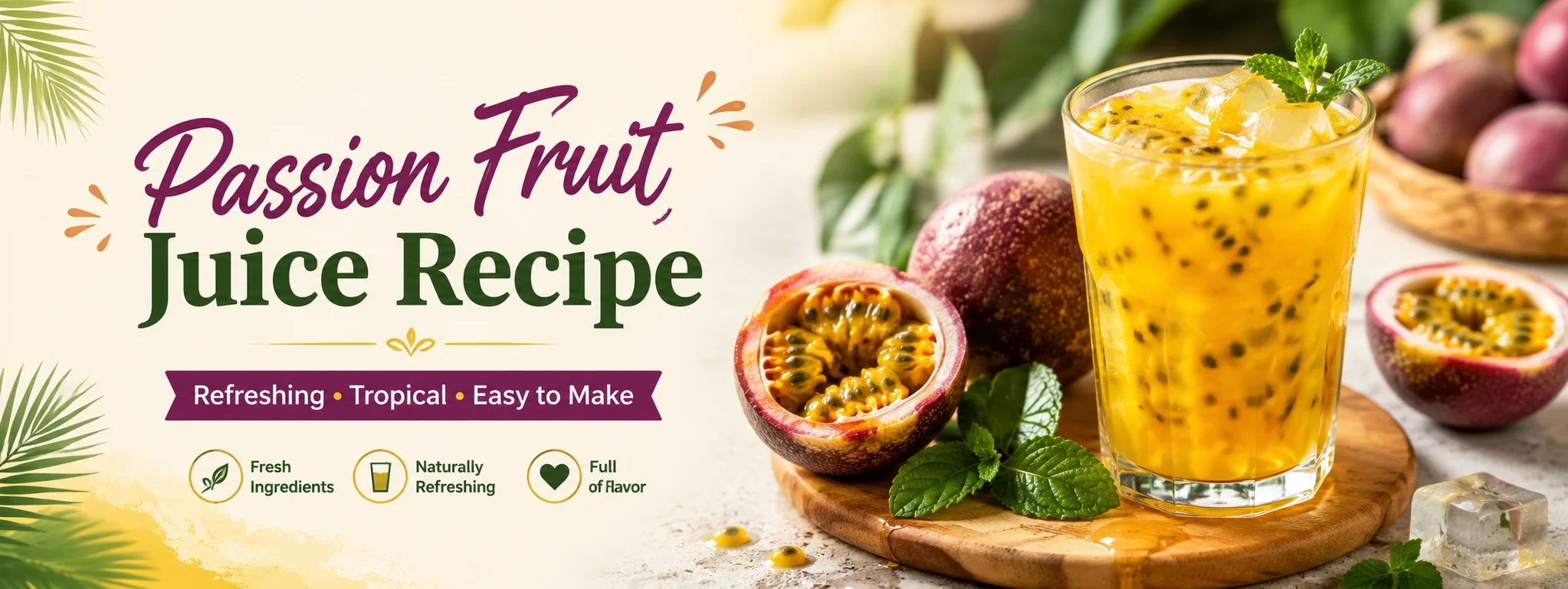
Few beverages capture the essence of the tropics quite like fresh passion fruit juice. Vibrant, tangy, and perfume-sweet, this golden elixir delivers an unforgettable taste experience that store-bought, heavily processed juices simply cannot match. Known in South America as maracuyá and prized across equatorial regions worldwide, passion fruit packs an extraordinary punch of flavor within its humble, wrinkled rind.
Making passion fruit juice at home is surprisingly straightforward, yet it feels like an artisanal craft. Whether you want to cool down on a hot summer afternoon, kickstart a weekend brunch, or mix a base for mocktails and cocktails, mastering fresh passion fruit juice is a essential culinary skill.
Understanding the Star Ingredient: Passion Fruit
Before diving into the recipe, it is worth exploring what makes this fruit so unique. Passion fruit grows on climbing vines belonging to the genus Passiflora. While there are hundreds of varieties, two main types dominate the culinary landscape:
-
Purple Passion Fruit (Passiflora edulis): Slightly smaller than a tennis ball, with a deep purple skin. It tends to be sweeter, highly aromatic, and slightly less acidic.
-
Yellow Passion Fruit (Passiflora flavicarpa): Larger, bright yellow, and distinctly more tart. This variety yields a higher volume of juice per fruit and offers an intensely vibrant flavor profile.
How to Pick the Perfect Passion Fruit
When shopping for passion fruit, forget the usual rules of produce selection. Smooth, pristine skin often indicates an unripe fruit.
-
Look for Wrinkles: A deeply wrinkled, dimpled rind means the fruit has ripened, sweetening the pulp inside while reducing harsh acidity.
-
Feel the Weight: Pick up a few fruits and select those that feel heavy for their size. Heavy fruit means a generous amount of liquid pulp.
-
Give It a Shake: Shake the fruit gently near your ear. You should feel and hear a slight sloshing weight inside. If it feels hollow or dry, move on.
-
Color Check: Look for deep, uniform purple or bold yellow hues. Avoid fruits with green patches, which signal under-ripeness.
Nutritional Profile: Why Passion Fruit Juice is Great for You
Beyond its intoxicating flavor, passion fruit juice delivers an impressive array of health benefits. Drinking homemade juice without excessive refined sugar allows you to enjoy these nutrient highlights:
| Nutrient | Benefit to Body |
| Vitamin C | Acts as a powerful antioxidant, boosting immune health and collagen synthesis. |
| Vitamin A (Beta-Carotene) | Supports eye health, skin integrity, and cellular function. |
| Dietary Fiber | Found in high quantities within the seeds and pulp, supporting digestion. |
| Potassium | Helps regulate blood pressure and balance fluid levels. |
| Polyphenols | Antioxidant compounds that help fight oxidative stress and inflammation. |
The Master Passion Fruit Juice Recipe
Making pure passion fruit juice requires extracting the liquid surrounding the dark, edible seeds. While the seeds are edible and crunchy, blending them entirely will darken your juice and make it gritty. The trick lies in pulse-blending just enough to separate the juicy arils from the seeds without pulverizing them.
Recipe Overview
-
Prep Time: 15 minutes
-
Total Time: 15 minutes
-
Yield: 4 servings (approx. 1 liter / 4 cups)
-
Difficulty: Easy
Ingredients
-
Fresh Passion Fruit: 8 to 10 ripe fruits (purple or yellow)
-
Filtered Water: 4 cups (cold)
-
Sweetener of Choice: 3 to 5 tablespoons (simple syrup, raw honey, agave nectar, or granulated sugar)
-
Fresh Lime Juice: 1 tablespoon (optional, for flavor balance)
-
Ice Cubes: For serving
-
Fresh Mint Leaves: Optional garnish
Equipment Needed
-
Sharp chef’s knife
-
Spoon
-
High-speed blender
-
Fine-mesh strainer or nut milk bag
-
Large mixing bowl or glass pitcher
-
Wooden spoon or spatula
Step-by-Step Instructions
Step 1: Prep and Extract the Pulp
Wash the exterior of your passion fruits under cool running water to remove any dirt. Using a sharp knife, slice each fruit in half over a bowl to catch any stray drips of precious juice. Using a spoon, scrape out the jelly-like orange pulp and black seeds into a clean bowl.
Step 2: Loosen the Seeds
Transfer the pulp and seed mixture directly into your blender container. Pour in 1 cup of the filtered water.
Step 3: The Low-Pulse Technique
Cover the blender with its lid. Use the Pulse function for short, 1-second bursts—about 3 to 5 times in total. You want the blades to gently agitate the mixture, loosening the juicy sacs from the seeds without crushing the dark seeds into fine specks.
Pro Tip: If your blender does not have a pulse feature, set it to the lowest speed setting for 3 to 4 seconds, then turn it off immediately.
Step 4: Strain the Puree
Place a fine-mesh strainer over a large pitcher or glass bowl. Pour the blended mixture into the strainer. Use the back of a wooden spoon or a silicone spatula to press the pulp against the mesh, working the liquid through into the pitcher below. Continue stirring until only dark, bare seeds remain in the strainer. Discard or compost the remaining seeds.
Step 5: Dilute and Sweeten
Pour the remaining 3 cups of filtered water into the pitcher containing your concentrated passion fruit extract. Stir in your chosen sweetener, starting with 3 tablespoons. Passion fruit varies in tartness, so taste as you go and adjust the sweetness to your liking. Stir in the fresh lime juice if you prefer a crisp, citrusy finish.
Step 6: Chill and Serve
Fill tall serving glasses with ice cubes. Pour the fresh passion fruit juice over the ice, garnish with a sprig of mint or a spoonful of reserved fresh passion fruit pulp, and serve immediately!
Flavor Variations & Upgrades
Once you have mastered the basic juice, try these creative variations:
-
Passion Fruit Lemonade: Replace 2 cups of the water with fresh-squeezed lemon juice and increase the sweetener slightly for a ultimate summer refresher.
-
Tropical Blend: Replace 2 cups of water with equal parts fresh orange juice and pineapple juice for a classic tropical punch.
-
Creamy Passion Fruit Drink (Batida de Maracuyá): Popular in South America, blend the extracted passion fruit juice with condensed milk, evaporated milk, and crushed ice for a rich, creamy dessert beverage.
-
Sparkling Passion Fruit Spritzer: Prepare the concentrated extract using only 1 cup of water. Pour 2 ounces of extract over ice and top off with chilled sparkling water or club soda.
Storage and Meal Prep Tips
-
Refrigeration: Store fresh juice in a sealed glass pitcher or mason jar in the refrigerator for up to 3 to 4 days. Natural separation will occur over time; simply stir thoroughly before serving.
-
Freezing Concentrate: You can freeze the strained, un-diluted passion fruit extract in ice cube trays. Once frozen, transfer the cubes to a freezer-safe bag. Pop a few cubes into water, tea, or smoothies anytime you want instant passion fruit flavor. Frozen concentrate lasts up to 6 months.
Frequently Asked Questions (FAQs)
1. Can I eat or blend the passion fruit seeds?
Yes, passion fruit seeds are completely edible, rich in dietary fiber, and safe to consume. However, fully blending them into the juice creates a dark, gritty texture and can add a slightly bitter note. Pulse-blending separates the juicy pulp while keeping seeds intact for easy straining.
2. Why is my homemade passion fruit juice separating?
Natural fruit juices containing real pulp separate over time as gravity pulls dense fibers to the bottom. This separation is normal and indicates that your drink is free from artificial stabilizers or emulsifiers. Simply stir or shake the container well before serving.
3. How do I know if a passion fruit has gone bad?
A bad passion fruit will feel extremely light, hollow, or dry inside. If the outer skin shows signs of wet mold, leak marks, or emits an unpleasant sour fermentation odor, the fruit has spoiled and should be discarded.
4. Can I make this recipe using frozen passion fruit pulp?
Absolutely. If fresh passion fruit is unavailable in your area, buy frozen passion fruit pulp (unsweetened) from the freezer section of your grocery store. Thaw the pulp completely, skip the pulsing and straining steps, and simply mix the liquid directly with water and sweetener.
5. What is the best sweetener for passion fruit juice?
Simple syrup (equal parts sugar and water melted together) is ideal because it dissolves instantly in cold liquid. Agave nectar and mild raw honey also complement the tropical flavor profile exceptionally well.
Final Thoughts
Making fresh passion fruit juice at home transforms a handful of exotic fruits into a vibrant, restaurant-quality beverage. By using simple pulsing techniques and balancing tartness with natural sweeteners, you can craft a drink that far surpasses any store-bought alternative. Keep a batch chilled in your fridge, experiment with tropical blends, or freeze concentrated juice cubes for year-round sunshine in a glass. Enjoy every refreshing sip!
1 thought on “Passion Fruit Juice Recipe: Step By Step”