
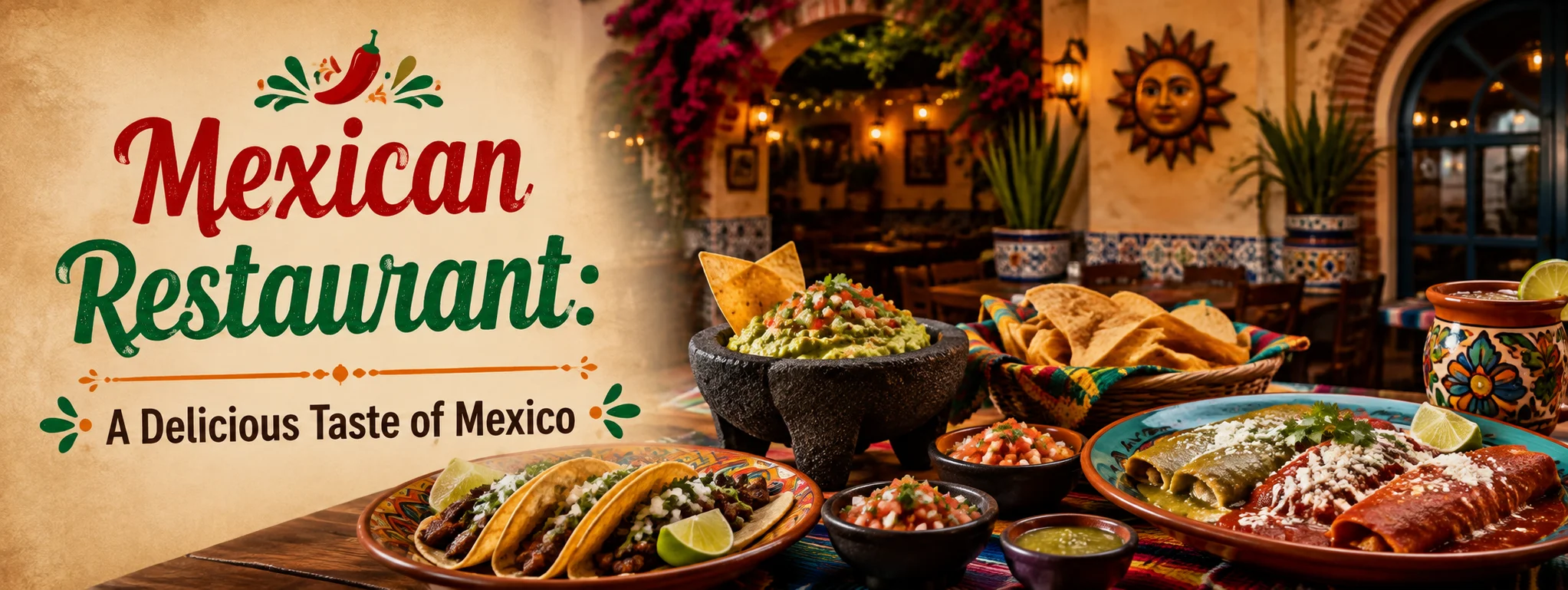
Mexican cuisine is far more than a style of cooking—it is a global phenomenon, a UNESCO Intangible Cultural Heritage asset, and a deeply emotional medium through which history, community, and flavor converge. Stepping into an authentic Mexican restaurant means stepping into a sensory experience defined by the earthy perfume of toasted corn masa, the slow sizzle of marinated meats, and the complex, layered heat of roasted chilis.
Whether located in a bustling urban core or a quiet neighborhood corner, a great Mexican restaurant bridges ancient indigenous traditions with modern culinary innovation. To understand what makes these establishments universally beloved, one must explore their cultural roots, essential ingredients, operating rhythms, and foundational menu classics.
The Heart of the Kitchen: Culinary Heritage and Key Ingredients
The magic of Mexican dining stems from centuries of culinary evolution. Long before European influences arrived in North America, indigenous populations—including the Aztecs and Mayans—were cultivating staple crops that remain the bedrock of Mexican cooking today: maize (corn), beans, squash, avocados, and wild chilis.
When modern chefs construct a menu, they rely on techniques perfected over generations:
-
Nixtamalization: The ancient process of soaking dried corn kernels in an alkaline limewater solution. This releases essential nutrients, softens the corn, and produces the distinct aroma of fresh masa used to make handmade corn tortillas, tamales, and sopes.
-
The Art of the Mole: Perhaps the ultimate test of a Mexican kitchen, mole is a complex, velvet-smooth sauce requiring dozens of ingredients—including dried chilis, seeds, nuts, spices, and sometimes dark Mexican chocolate—simmered and ground to harmonious perfection.
-
Chili Profiling: Rather than using heat purely for intensity, Mexican cooking treats chilis as flavor agents. Sweet and dried ancho, smoky chipotle, fruity guajillo, and searing fresh habanero each serve distinct roles in sauces, marinades, and braises.
The Atmosphere: Hospitality, Color, and Community
A Mexican restaurant’s character is built on hospitality (hospitalidad). The dining environment typically blends warm, rustic textures with energetic music, hand-painted Talavera tiles, and vibrant color palettes. It is designed as a space for slow, shared dining where meals start with warm tortilla chips, fresh salsa, and a signature beverage.
From casual street-style taquerías offering quick, high-flavor lunches to upscale alta cocina dining rooms serving multi-course tasting menus, the spirit remains unchanged: food is meant to bring people together.
Operational Hours & Service Schedule
To cater to morning commuters, relaxed lunch crowds, and late-night social gatherings, most full-service Mexican restaurants maintain flexible daily hours.
| Day of the Week | Kitchen & Dining Hours | Bar & Late Night Service |
| Monday – Thursday | 11:00 AM – 10:00 PM | Open until 10:30 PM |
| Friday | 11:00 AM – 11:00 PM | Open until 12:00 AM (Midnight) |
| Saturday | 10:00 AM – 11:00 PM (Brunch Available) | Open until 12:00 AM (Midnight) |
| Sunday | 10:00 AM – 9:00 PM (Brunch Available) | Open until 9:30 PM |
Featured Menu & Pricing Guide
A well-curated Mexican menu offers a balance between traditional street food staples and hearty, slow-cooked platters. Below is an overview of essential dishes, complete with descriptions and standard pricing.
| Category | Dish Name | Description | Price (USD) |
| Appetizer | Guacamole Prepared Tableside | Fresh Hass avocados mashed with lime juice, sea salt, cilantro, diced tomatoes, and red onions. Served with warm corn chips. | $11.50 |
| Appetizer | Queso Fundido con Corizo | Melted Oaxaca and Jack cheeses topped with spicy house-made pork chorizo, served with warm flour tortillas. | $12.00 |
| Soup | Sopa de Tortilla | Rich tomato-chili broth filled with shredded chicken, topped with crispy tortilla strips, avocado, cotija cheese, and crema. | $8.50 |
| Street Tacos | Tacos al Pastor (3 Tacos) | Thinly sliced marinating pork cooked on a vertical spit, topped with sweet roasted pineapple, cilantro, and diced onion on handmade corn tortillas. | $13.50 |
| Street Tacos | Birria de Res Tacos (3 Tacos) | Slow-braised beef brisket stuffed into dip-crisped tortillas with melted cheese, served with rich consomé broth for dipping. | $15.00 |
| Main Entrée | Enchiladas Suizas | Three corn tortillas filled with shredded chicken, covered in a creamy roasted green green green green green green green green green green green green green green salsa verde and melted Swiss-Jack cheese. | $16.50 |
| Main Entrée | Sizzling Beef Fajitas | Marinated skirt steak grilled with bell peppers and onions, served on a cast-iron skillet with rice, beans, guacamole, and tortillas. | $21.50 |
| Main Entrée | Cochinita Pibil Platter | Traditional Yucatecan slow-roasted pork marinated in citrus and achiote paste, wrapped in banana leaves, served with pickled red onions. | $18.50 |
| Dessert | Churros con Cajeta | Crispy fried dough ribbons tossed in cinnamon sugar, served with warm goat’s milk caramel (cajeta) dipping sauce. | $7.50 |
| Beverage | Traditional Agua Fresca | House-made refreshing fruit drinks available in Horchata (sweet rice-cinnamon milk) or Jamaica (hibiscus tea). | $4.50 |
Frequently Asked Questions
1. What is the difference between authentic Mexican food and Tex-Mex?
Authentic Mexican cuisine focuses heavily on soft corn tortillas, fresh herbs (like cilantro and epazote), fresh or dried chilis, slow-roasted meats, and regional sauces. Tex-Mex is an American regional adaptation that heavily incorporates yellow cheddar cheese, heavy beef cuts, canned tomatoes, cumin, and flour tortillas.
2. Are there good vegetarian and vegan options at a Mexican restaurant?
Yes. Traditional Mexican cooking inherently features plant-based staples like black beans, pinto beans, corn masa, grilled calabacitas (squash), plantains, and nopales (cactus). Most dishes can easily be adapted by skipping dairy toppings like crema and cotija cheese.
3. What makes Birria tacos different from regular tacos?
Birria tacos feature meat (traditionally goat or beef) braised for hours in a deeply spiced chili broth. The tortillas are dipped into the top layer of broth fat before hitting the grill, giving them a crispy, savory exterior. They are served alongside a bowl of hot consommé broth for dipping.
4. What is Horchata, and is it dairy-free?
Horchata is a traditional agua fresca made by soaking rice, cinnamon sticks, and almonds in water, then blending and straining the liquid into a sweet, velvety drink. While traditional authentic recipes are dairy-free, some modern venues add evaporated milk for extra richness, so it is always best to ask your server.
5. How hot or spicy is Mexican food?
Not all Mexican dishes are mouth-burning. Most base dishes are seasoned for depth of flavor rather than pure heat. Spicy salsas (ranging from mild salsa verde to extra-hot habanero) are usually served on the side, allowing diners to control their preferred spice level completely.
Final Thoughts
A visit to a Mexican restaurant is far more than a routine meal—it is an immersion into a vibrant culinary legacy defined by passion, history, and community. From the tactile satisfaction of eating a freshly pressed taco to the complex comfort of a slow-simmered mole, every dish tells a story of cultural pride.
2 thought on “Mexican Restaurant: A Delicious Taste of Mexico”