
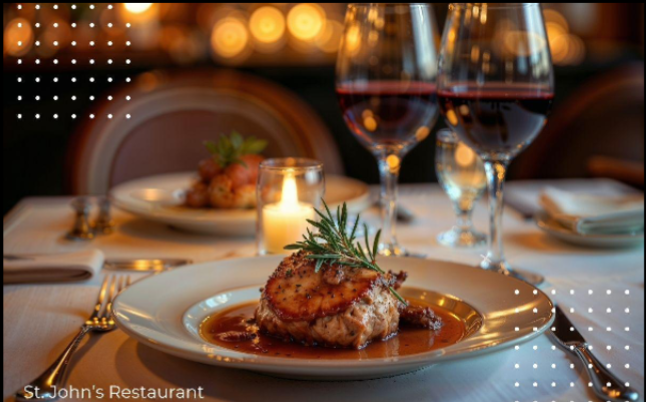
A memorable restaurant experience begins long before a dish reaches the table. The ingredients selected by a chef, the way they are prepared, and how they are brought together can all influence how a meal tastes and feels. For many chefs, one of the best ways to create that experience is by building dishes around ingredients that are naturally in season.
Seasonal cooking allows restaurants to adapt their menus throughout the year while highlighting ingredients at different points in their natural growing cycles. For diners, that can mean fresher flavors, more variety, and a dining experience that feels connected to the time of year.
This approach has become an important part of the modern fine dining restaurant, where the menu is often designed around quality, creativity, and a strong sense of place.
What Makes an Ingredient Seasonal?
A seasonal ingredient is generally one that is naturally available at a particular time of year. Fruits vegetables herbs and other ingredients each have periods when they are more readily harvested and may offer characteristics that chefs find especially appealing.
Spring can bring tender greens, fresh herbs, and delicate vegetables. Summer often provides an abundance of colorful produce, while fall introduces ingredients associated with richer flavors and heartier dishes. Winter can shift the focus toward root vegetables, preserved ingredients, and warming preparations. A chef working with seasonal products can build the menu around what is available rather than relying on exactly the same ingredients throughout the year.
Seasonal Ingredients Encourage Creativity
A changing supply of ingredients can challenge chefs to continually rethink their menus.
Instead of repeating the same dishes every month, a chef can develop new combinations based on what is currently available. One seasonal ingredient may inspire an appetizer, while another becomes the centerpiece of an entrée or dessert.
This constant evolution can make dining more interesting for both chefs and returning customers. For diners visiting a fine dining restaurant, a seasonal menu can create a sense of discovery because each visit may offer something different from the last.
Freshness Can Influence Flavor
One of the reasons restaurants emphasize seasonal ingredients is flavor. Ingredients harvested during their natural season may offer desirable levels of ripeness, texture, aroma, and flavor. When those characteristics are strong, chefs may be able to prepare the ingredient with less manipulation while still creating a satisfying dish.
This does not mean every seasonal ingredient is automatically better than an out-of-season alternative. Sourcing practices, transportation, storage, and preparation all influence quality. However thoughtful seasonal cooking gives chefs another opportunity to work with ingredients when they are particularly well suited to the menu.
Seasonal Menus Create Variety
A restaurant menu does not have to remain static to maintain consistency.
In fact, some of the most enjoyable dining experiences come from knowing that a favorite restaurant changes its offerings throughout the year. Seasonal updates allow chefs to introduce new ingredients and preparations while maintaining the overall character of the restaurant.
For returning guests, this variety creates another reason to come back.
A dish that appears during one season may be replaced by an entirely different creation when the weather changes. This balance of familiarity and discovery is one of the qualities that can distinguish a memorable restaurant from an ordinary meal.
Connecting Food to the Local Area
Seasonal menus can also provide a connection between food and location. Restaurants that work with regional ingredients have an opportunity to reflect the agricultural products, traditions, and flavors associated with their surrounding area. This can give diners a stronger sense of place.
In Chattanooga, that connection can be particularly appealing. A Downtown restaurant Chattanooga visitors choose for a special meal can offer more than a convenient location; it can also provide an opportunity to experience the region through its ingredients and culinary traditions.
The best seasonal menus often reflect both the chef’s creativity and the character of the area where the restaurant operates.
Seasonal Cooking and Southern Cuisine
Seasonal ingredients have a natural relationship with Southern cooking, where vegetables, fruits, grains, meats, and herbs have traditionally played important roles in regional food.
Modern chefs can draw on those traditions while using contemporary techniques and presentation. Familiar Southern ingredients can be combined in unexpected ways, creating dishes that feel both recognizable and new.
This is one way fine dining restaurants can honor culinary traditions without being limited by them.
How Seasonal Menus Affect the Dining Experience
A restaurant’s menu influences more than just what guests eat. It can shape the entire rhythm and character of a meal. A carefully planned seasonal menu may move from lighter courses to richer preparations, or introduce complementary flavors that reflect the season. Beverage pairings can also change to work with the dishes being served.
When these elements are thoughtfully coordinated, the result is a dining experience that feels intentional from beginning to end. The atmosphere of the restaurant, quality of the service, presentation of each course, and pace of the meal all contribute to that experience as well.
Seasonal Menus Reward Curious Diners
Guests who enjoy trying new foods may appreciate restaurants that frequently update their menus. Instead of arriving with a fixed expectation of ordering the same familiar dish, diners can explore new combinations and ingredients. This can be especially enjoyable for special occasions when the meal itself is intended to be part of the celebration.
For people researching the Top restaurants in downtown Chattanooga, a restaurant’s approach to its menu can be an important factor to consider. A thoughtful seasonal program can signal a commitment to creativity and quality while giving guests something new to experience.
What Should Diners Ask About a Seasonal Menu?
Guests do not need to be experts in food to appreciate a seasonal menu. Asking a few simple questions can make the experience more enjoyable. A server can often explain which dishes highlight seasonal ingredients, how they are prepared, or which options are particularly popular. Diners with allergies or dietary restrictions can also ask how specific ingredients are being used.
Being open to recommendations can sometimes lead to discovering a dish that would not have been the obvious first choice.
Choosing a Restaurant for a Seasonal Dining Experience
When comparing restaurants, consider more than the menu alone. Look at the overall atmosphere, service, approach to food, and reputation of the establishment. A strong fine dining restaurant combines these elements into a cohesive experience. Seasonal ingredients can be an important part of that experience, but they are most effective when supported by thoughtful preparation and attentive hospitality.
Location matters as well. For visitors and locals spending time in the city center, a well-established Downtown restaurant Chattanooga diners can conveniently reach may be an appealing choice for everything from a special dinner to an evening out with friends.
Experience Seasonal Dining at St. John’s Restaurant
Seasonal ingredients give chefs the freedom to keep menus fresh, creative, and connected to the time of year. They can introduce variety, highlight distinctive flavors, and help create meals that guests remember well beyond the final course. St. John’s Restaurant in downtown Chattanooga brings together seasonal cooking, Southern influences, attentive service, and a distinctive historic setting. Its approach to food allows the menu to evolve while maintaining the thoughtful, refined experience guests expect from an established fine dining restaurant.
For diners exploring the top restaurants in downtown Chattanooga, St. John’s offers an opportunity to experience carefully prepared cuisine in an atmosphere that reflects both the character of the city and the traditions that influence its menu.
Whether you are planning a special occasion or simply looking for a memorable meal in downtown Chattanooga, St. John’s Restaurant provides a setting where seasonal ingredients and fine dining come together.