
For years, tourism destinations were largely defined by what visitors could see: landmarks, museums, architecture and natural scenery. That model is changing. Travellers are increasingly being offered experiences in which they can participate, interact and become part of the story.
Immersive entertainment sits at the centre of this shift. From interactive digital art and themed environments to attractions built around physical participation, destinations are finding new ways to make a visit more personal. In Abu Dhabi, this approach is becoming increasingly visible across the emirate’s cultural and entertainment landscape.
From Seeing a Destination to Experiencing It
Immersion can take many forms. At Warner Bros. World™ Yas Island, Abu Dhabi, visitors enter six themed lands with rides and interactive attractions inspired by well-known films and animated characters. The award-winning theme park will soon expand its immersive experience with a significant new Harry Potter-themed land, joining the existing six immersive lands and bringing Harry Potter to fans like never before.
On Saadiyat Island, teamLab Phenomena Abu Dhabi takes a different approach. The 17,000 sqm experience brings art and technology together in installations that respond to their environment and the people within them.
These experiences demonstrate an important change in how destinations compete for attention. The attraction is no longer simply an object or place to observe. The visitor’s actions can become part of the experience itself.
That gives destinations another way to encourage curiosity, emotional connection and repeat visits. At teamLab Phenomena Abu Dhabi, for example, the artworks continually evolve, meaning the experience can change depending on the environment and visitor participation.
Immersive Entertainment Can Broaden a Destination’s Appeal
The impact becomes greater when immersive experiences form part of a wider tourism ecosystem rather than existing as isolated attractions.
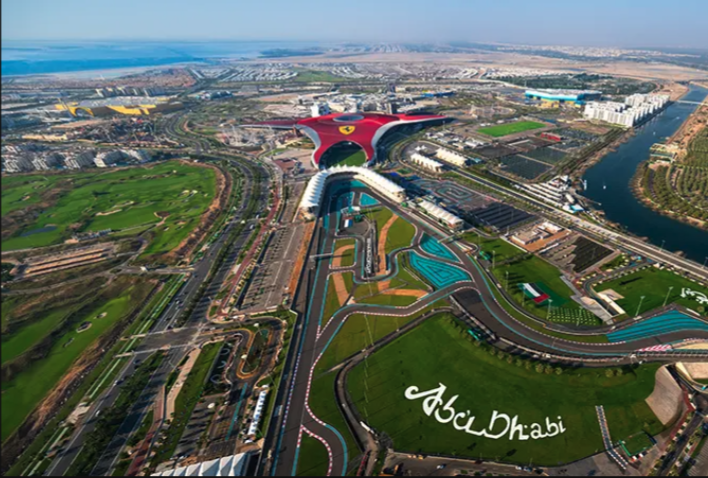
Yas Island illustrates this approach. Its portfolio has expanded over time to include Ferrari World Yas Island, Yas Waterworld Yas Island, Warner Bros. World™ Yas Island, SeaWorld® Yas Island, CLYMB™ Yas Island, and Etihad Arena, alongside hotels, dining, retail and waterfront experiences. Miral’s development of this ecosystem has helped create a destination where visitors can combine several types of entertainment within one trip.
The tangible impact can be seen in visitation. Yas Island recorded more than 38 million visits in 2024, 90% peak hotel occupancy and 40% international visitor growth compared with the same period a year earlier.
Rather than relying on a single headline attraction, this model gives visitors more reasons to spend time within the destination and provides different experiences for families, adventure travellers, event audiences and other visitor groups.
Experiences Are Becoming More Useful to Business Tourism
Immersive entertainment is also expanding beyond traditional leisure tourism. Corporate programmes increasingly combine meetings with activities that encourage participants to interact outside formal business settings.
This changes what organisations may look for when assessing team building venues. Instead of a standalone meeting room followed by a generic activity elsewhere, destinations can offer experiences that involve shared challenges and participation.
CLYMB™ Yas Island, for instance, offers indoor climbing and skydiving experiences, while Yas Waterworld’s Pearl Diving Experience draws on the UAE’s pearl-diving heritage. Yas Marina Circuit (home to the FORMULA 1 ETIHAD AIRWAYS GRAND PRIX™) provides another format through karting and track-based experiences. When combined with nearby conference and event facilities, these attractions allow organisers to move between formal sessions and shared experiences without building an itinerary around multiple disconnected locations.
Culture Is Becoming Part of the Immersive Story
Importantly, immersive tourism does not have to mean technology or thrill-based entertainment alone. Abu Dhabi’s recent cultural programming shows how heritage and storytelling can also become participatory.
The Natural History Museum Abu Dhabi, for example, incorporated hands-on workshops and creative family activities into its Eid Al-Adha programme, drawing on nature, culture and tradition to encourage visitors to participate, create and connect with the stories and heritage explored at the museum.
This reflects a broader opportunity for destinations: immersion can help visitors engage with local stories rather than simply observe them.
A More Connected Model for Tourism
The rise of immersive entertainment points towards a tourism model built around participation, variety and connection. For destinations, its value is not simply in creating something visually impressive. It lies in giving people more reasons to engage, stay, explore and potentially return.
Abu Dhabi’s evolving mix of entertainment, culture and interactive experiences shows how that model can work at destination scale. As immersive experiences become more closely connected with hospitality, events and cultural programming, the distinction between “seeing” a destination and actively experiencing it is becoming increasingly important to modern tourism.