
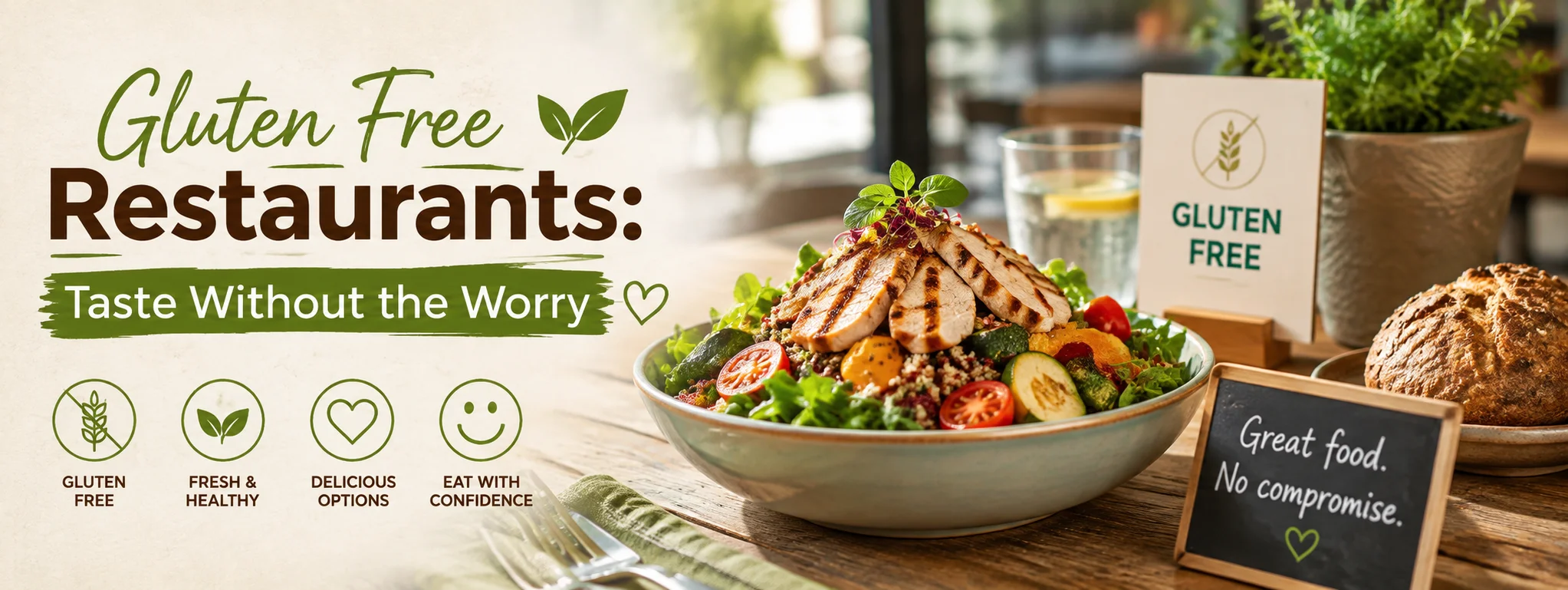
Eating out should be an enjoyable experience, but for people who avoid gluten, choosing a restaurant can sometimes feel stressful. Whether you have celiac disease, gluten sensitivity, or simply prefer a gluten-free lifestyle, finding meals you can enjoy without worry is important. Fortunately, gluten-free dining has become much easier as more restaurants recognize the demand for safe and flavorful options.
Gluten-free restaurants offer everything from burgers and pizza to pasta, salads, desserts, and international cuisine. With the right information and a little preparation, you can enjoy restaurant meals while feeling confident about your choices.
What Are Gluten-Free Restaurants?
Gluten-free restaurants are dining establishments that offer meals prepared without gluten-containing ingredients. Some specialize entirely in gluten-free food, while others provide dedicated gluten-free menus or carefully prepared alternatives.
Gluten is a protein found primarily in wheat, barley, and rye. It appears in many common foods, including traditional bread, pasta, cakes, pastries, sauces, and some processed foods.
Why Gluten-Free Dining Matters
For people with celiac disease, consuming gluten can trigger an immune reaction that damages the small intestine. Others may experience digestive discomfort or other symptoms after eating gluten.
Because of this, simply ordering a meal without obvious bread or pasta may not always be enough. Cross-contact during preparation can also be a concern. Restaurants that understand gluten-free requirements can make dining significantly more comfortable.
Popular Foods You Can Find at Gluten-Free Restaurants
One of the biggest advantages of modern gluten-free dining is variety. You no longer have to settle for a plain salad while everyone else enjoys a full meal.
Gluten-Free Pizza
Pizza is one of the most popular gluten-free restaurant choices. Many restaurants now offer gluten-free crusts made from rice flour, corn flour, tapioca, or other alternatives.
A good gluten-free pizza can include the same delicious toppings as a traditional pizza, such as vegetables, cheese, chicken, mushrooms, and herbs. If cross-contact is a concern, ask how the crust is prepared and baked.
Gluten-Free Burgers
Burgers can also be adapted for gluten-free diners. Restaurants may offer gluten-free buns, lettuce wraps, or burgers served without bread.
Be sure to ask about sauces, seasonings, and toppings because some may contain hidden gluten. Fries also deserve attention because they may be cooked in the same fryer as breaded foods.
Gluten-Free Pasta
Italian restaurants increasingly offer gluten-free pasta made from ingredients such as rice, corn, quinoa, or legumes. These alternatives can be paired with tomato sauce, vegetables, seafood, chicken, or cheese.
Always check whether the sauce itself is gluten-free, since certain prepared sauces may contain flour or other gluten-containing ingredients.
How to Choose a Safe Gluten-Free Restaurant
Finding a restaurant with gluten-free options is only the first step. If you need to avoid gluten for medical reasons, preparation practices are equally important.
Check the Menu Before Visiting
Look at the restaurant’s online menu before you arrive. Search for clearly labeled gluten-free dishes or dedicated menus. This can save time and help you prepare questions in advance.
Customer reviews can also provide useful information about the restaurant’s gluten-free practices, although restaurant policies can change, so it is best to confirm important details directly.
Ask Questions
Don’t hesitate to speak with your server. Ask whether specific dishes contain wheat, barley, or rye and whether ingredients are prepared separately.
If you have celiac disease or a serious gluten sensitivity, explain that avoiding gluten is a health requirement rather than simply a dietary preference. This can help staff understand the importance of preventing cross-contact.
Understand Cross-Contact
Cross-contact happens when gluten-free food comes into contact with gluten-containing ingredients or surfaces. This can happen through shared cutting boards, utensils, grills, fryers, countertops, or cooking equipment.
A restaurant may have gluten-free ingredients but still not be able to guarantee a completely gluten-free meal. Understanding this difference can help you make informed decisions.
International Cuisine With Gluten-Free Options
Gluten-free diners have many international choices. Mexican cuisine can be a good option because corn tortillas, beans, rice, grilled meats, and fresh vegetables are naturally gluten-free when prepared correctly.
Thai restaurants may offer rice-based dishes, curries, and rice noodles, while some Japanese restaurants have sushi made with gluten-free ingredients. However, soy sauce commonly contains wheat, so it is important to ask about gluten-free alternatives.
Mediterranean Food
Mediterranean restaurants can also provide plenty of naturally gluten-free choices. Grilled meats, seafood, vegetables, rice, salads, hummus, and certain dips can make satisfying meals.
Still, always check ingredients and preparation methods rather than assuming a dish is safe simply because it appears naturally gluten-free.
Benefits of Eating at Gluten-Free Restaurants
Dining at a restaurant that understands gluten-free needs can offer several benefits.
First, it provides greater peace of mind. Clear menus and knowledgeable staff can make ordering easier. Second, specialized restaurants often provide more creative choices, allowing gluten-free diners to enjoy foods they may otherwise avoid.
Gluten-free restaurants can also introduce diners to new ingredients. Alternative grains and flours, such as quinoa, buckwheat, almond flour, and rice flour, can create interesting textures and flavors.
Tips for a Better Gluten-Free Dining Experience
A little planning can make restaurant visits much easier.
Research Ahead
Check menus, reviews, and restaurant policies before visiting. If you have strict dietary requirements, consider calling ahead and asking how the kitchen handles gluten-free orders.
Be Specific When Ordering
Instead of simply saying, “I need gluten-free food,” explain your requirements clearly. Ask about sauces, marinades, seasonings, dressings, desserts, and cooking surfaces.
Keep an Alternative in Mind
Even restaurants with gluten-free options may occasionally run out of ingredients or have limited choices. Having another restaurant in mind can prevent unnecessary stress.
Enjoy Food Without the Worry
Gluten-free dining has evolved significantly, giving people more opportunities to enjoy restaurant food without feeling restricted. From crispy pizza and flavorful burgers to pasta, salads, grilled dishes, and desserts, there are countless possibilities.
The key is to choose restaurants carefully, communicate clearly, and understand how food is prepared. With a little preparation, eating out can become an enjoyable experience rather than a source of anxiety.