
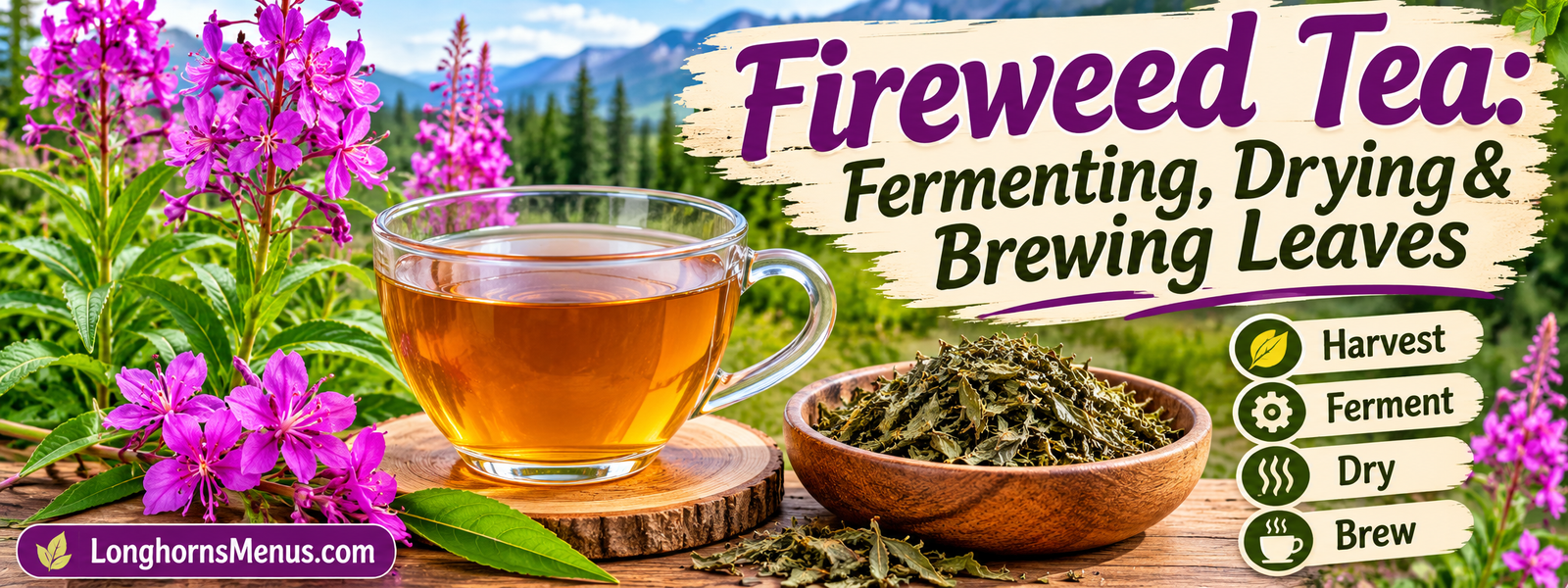
Fireweed Tea is a flavorful herbal drink made from the leaves of the fireweed plant, commonly known as Chamerion angustifolium or Epilobium angustifolium. Recognized by its beautiful pink-purple flowers and tall green stems, fireweed grows in many northern regions and is traditionally valued for its culinary and herbal uses. Its leaves can be harvested, processed, and transformed into a fragrant tea with a smooth taste and naturally earthy character.
Making Fireweed Tea at home is an enjoyable way to explore traditional herbal tea preparation. The process involves collecting young leaves, preparing them for fermentation, drying them carefully, and brewing them in hot water. Each stage contributes to the final aroma, color, and flavor.
Whether you enjoy experimenting with homemade herbal drinks or want to learn traditional leaf-processing techniques, this guide explains how to prepare fireweed leaves from harvest to cup. You will also discover practical harvesting advice, fermentation methods, drying techniques, brewing instructions, storage recommendations, and common mistakes to avoid.
Understanding Fireweed and Its Tea-Making Potential
Fireweed is a perennial flowering plant that grows in open fields, woodland edges, disturbed ground, and other sunny locations. It is particularly common in parts of North America, Europe, and northern Asia.
The plant is easy to recognize because of its tall stems, narrow leaves, and bright pink-purple flowers. Its leaves are traditionally used to prepare herbal infusions and fermented tea.
Fireweed leaves are especially interesting because their flavor changes during processing. Fresh leaves have a relatively green, mild taste, while properly processed leaves can develop deeper, richer, and more rounded flavors.
Why Use Fireweed Leaves for Tea?
Fireweed leaves offer several advantages for homemade tea preparation:
- They can be collected during the growing season.
- They are suitable for drying and long-term storage.
- Their flavor can be adjusted through different processing methods.
- They can be brewed alone or combined with other suitable herbs.
- Traditional fermentation-style processing creates a distinctive aroma.
Unlike ordinary tea made from Camellia sinensis, Fireweed Tea comes from a different botanical family and does not naturally contain the same caffeine profile. It is generally prepared as a caffeine-free herbal infusion.
When and How to Harvest Fireweed Leaves
Harvesting at the right time is an important part of making quality Fireweed Tea. Young, healthy leaves are generally preferred because they are tender and easier to process.
Best Time to Collect Fireweed
The best harvesting period is usually during late spring and early summer, before the plant reaches full flowering. However, the exact timing depends on your local climate and growing conditions.
Look for fresh leaves that are:
- Bright green and healthy.
- Free from visible insect damage.
- Not wilted or yellowing.
- Clean and free from mold.
- Growing on correctly identified fireweed plants.
Choose plants away from busy roads, industrial areas, pesticide-treated land, and contaminated soil.
How to Harvest the Leaves
Use clean scissors or gardening shears to collect suitable leaves. Avoid removing too many leaves from one plant because the plant needs them for continued growth.
Place the harvested leaves in a clean basket or breathable bag. Avoid tightly packing them into plastic bags while they are warm or damp.
Before processing, inspect the leaves carefully and remove insects, damaged material, and unwanted plant parts.
Important identification note: Never harvest a wild plant based only on a general description or photograph. Confirm its identity using a reliable regional botanical guide or an experienced local plant expert.
How to Ferment Fireweed Tea Leaves
Fermentation is one of the most interesting stages of traditional Fireweed Tea preparation. It changes the natural characteristics of the leaves and can create a richer aroma.
In traditional tea-making terminology, fermentation often refers to enzymatic oxidation rather than true microbial fermentation. Crushing or rolling the leaves exposes their internal compounds to oxygen, allowing natural chemical changes to develop their flavor.
Step 1: Prepare the Fresh Leaves
Spread the harvested leaves on a clean tray or breathable cloth.
Remove unwanted material and allow the leaves to dry on the surface if they are wet from rain or washing.
If washing is necessary, rinse them with clean drinking water and dry the surface moisture thoroughly before continuing.
Step 2: Wilt the Leaves
Place the leaves in a thin layer in a clean, shaded, well-ventilated location.
Allow them to wilt for several hours, checking their condition regularly. The exact time depends on humidity, temperature, and leaf moisture.
The leaves should become softer and more flexible without turning brittle or developing unpleasant odors.
Step 3: Roll or Crush the Leaves
Once wilted, gently roll the leaves between your hands or crush them using a suitable clean food-processing method.
This breaks some of the leaf structure and releases natural juices.
You can also use a rolling pin to process small batches. Avoid turning the leaves into a completely wet paste unless following a specific recipe designed for that texture.
Step 4: Allow the Leaves to Oxidize
Transfer the rolled leaves into a clean, food-safe container.
Spread them in a manageable layer and cover loosely with a clean cloth or suitable lid that allows the process to be monitored.
Keep the leaves in a clean environment at a moderate room temperature. Check them periodically for changes in aroma and appearance.
Depending on the processing method and conditions, oxidation may take several hours.
The leaves may develop a deeper color and a more pronounced fruity, floral, or earthy aroma.
Do not continue processing if you notice fuzzy mold, slime, or a rotten or unpleasant smell. Discard questionable material rather than trying to rescue it.
Drying Fireweed Leaves for Long-Term Storage
After oxidation, drying is essential. Proper drying removes moisture and helps prevent mold during storage.
Choosing the Right Drying Method
There are several ways to dry Fireweed Tea leaves at home.
Air drying: Spread the processed leaves in a thin layer on a clean drying screen. Keep them in a shaded, dry, well-ventilated location. Turn them occasionally to encourage even drying.
Food dehydrator: A food dehydrator provides more consistent temperature and airflow. Follow the manufacturer’s instructions and use a moderate setting suitable for delicate leaves.
Oven drying: An oven can be used when a dehydrator is unavailable. Select the lowest practical temperature and monitor the leaves closely. Excessive heat can damage their aroma and flavor.
How to Know When Fireweed Leaves Are Dry
Properly dried leaves should feel dry and brittle rather than soft, damp, or leathery.
Check a few larger pieces because thicker portions may retain moisture even when smaller leaves appear completely dry.
Allow the dried leaves to cool before placing them in storage containers.
| Processing Stage | Approximate Time | Main Purpose |
| Leaf preparation | 10–20 minutes | Clean and inspect leaves |
| Wilting | Several hours | Reduce surface and internal moisture |
| Rolling | 5–15 minutes | Break leaf structure |
| Oxidation | Several hours | Develop deeper aroma |
| Drying | Depends on method | Remove remaining moisture |
| Cooling and storage | Until completely cool | Protect finished tea |
These times are general guidelines rather than fixed requirements. Leaf thickness, humidity, processing conditions, and equipment can significantly affect the results.
How to Brew a Perfect Cup of Fireweed Tea
Once the leaves are properly dried, preparing Fireweed Tea is simple. You only need dried leaves, clean water, and a suitable teapot or infuser.
Ingredients
For one cup, you will need:
- 1–2 teaspoons of dried fireweed leaves.
- 1 cup of freshly boiled drinking water.
- Honey or lemon, if desired.
Step-by-Step Brewing Instructions
Step 1: Heat the Water
Bring fresh drinking water to a boil. Allow it to cool briefly if you prefer a gentler infusion.
Step 2: Measure the Tea
Add approximately 1–2 teaspoons of dried fireweed leaves to a tea infuser or teapot.
Step 3: Pour the Water
Pour hot water over the leaves, making sure they are completely covered.
Step 4: Allow It to Steep
Let the tea steep for approximately 5–10 minutes. A longer steeping time generally produces a stronger flavor.
Step 5: Strain and Serve
Remove the leaves and pour the infusion into your favorite cup.
Add a little honey or lemon if you prefer a sweeter or brighter taste.
The finished drink should have a pleasant herbal aroma and a flavor that can range from mild and grassy to deeper and more rounded, depending on how the leaves were processed.
Flavor Variations to Make Fireweed Tea More Interesting
One advantage of homemade herbal tea is the ability to experiment with different ingredients.
Fireweed Tea With Honey
Add a small spoonful of honey to a warm cup. Its natural sweetness complements the earthy character of the leaves.
Fireweed and Mint Tea
Combine dried fireweed leaves with a little dried mint. This creates a refreshing herbal combination that works well as a warm afternoon drink.
Fireweed Tea With Lemon
Add a slice of fresh lemon or a small amount of lemon juice. The citrus flavor provides a bright contrast to the herbal infusion.
Fireweed and Ginger Tea
Add a small piece of fresh ginger while steeping. Ginger contributes a warm, slightly spicy flavor that makes the drink especially enjoyable during colder weather.
How to Store Homemade Fireweed Tea
Proper storage helps preserve the aroma and quality of dried fireweed leaves.
Follow these five practical storage recommendations:
- Use airtight containers: Glass jars with secure lids are suitable for completely dried leaves.
- Avoid direct sunlight: Store containers in a dark cupboard to protect their flavor.
- Keep moisture away: Never place wet spoons or damp hands inside the storage jar.
- Choose a cool location: Excessive heat can reduce the quality of dried herbs.
- Check regularly: Inspect stored leaves for moisture, mold, or unusual odors.
Label each container with the harvesting and drying date. This simple habit makes it easier to monitor freshness and organize different batches.
If the leaves become damp or show signs of mold, discard them.
Common Mistakes to Avoid When Preparing Fireweed Tea
Even though the preparation process is relatively simple, a few mistakes can affect the quality of your finished tea.
Harvesting the Wrong Plant
Correct identification is essential. Never assume every pink-flowering wild plant is fireweed.
Using Damaged Leaves
Yellow, diseased, insect-damaged, or contaminated leaves are unsuitable for tea preparation.
Skipping the Wilting Stage
Leaves that are excessively wet can be harder to process consistently. Allowing them to wilt helps prepare their texture for rolling.
Overheating During Drying
High temperatures can produce an unpleasant cooked or burnt aroma. Use controlled heat and inspect the leaves regularly.
Storing Leaves Before They Are Completely Dry
This is one of the most important mistakes to avoid. Residual moisture can encourage mold growth inside storage containers.
Is Fireweed Tea Suitable for Everyday Enjoyment?
Fireweed has a history of traditional herbal use, and its leaves are prepared as an infusion in different regions.
However, traditional use does not automatically establish clinical health benefits. There is limited high-quality human research establishing the safety and effectiveness of regular Fireweed Tea consumption for specific medical purposes.
People with plant allergies, those who are pregnant or breastfeeding, and individuals taking medication should consult a qualified healthcare professional before making it a regular part of their routine.
Start with a small serving if you are trying it for the first time, and stop drinking it if you experience an unwanted reaction.
Fireweed Tea should be enjoyed as a herbal beverage rather than used as a replacement for medical treatment.
Final Thoughts
Fireweed Tea offers a fascinating opportunity to explore traditional herbal preparation at home. From identifying and harvesting healthy leaves to wilting, rolling, oxidation, drying, and brewing, every stage contributes to the finished drink.
The most important factors are correct plant identification, clean harvesting practices, careful processing, and thorough drying. Once you understand these techniques, you can experiment with different processing times and flavor combinations to create a tea that suits your preferences.
Whether you enjoy it plain, sweetened with honey, or combined with mint, ginger, or lemon, homemade Fireweed Tea can become an enjoyable addition to your collection of herbal drinks.
With patience and attention to detail, a simple green leaf can be transformed into a fragrant cup that celebrates traditional tea-making techniques.
Frequently Asked Questions (FAQs)
1. When should I harvest fireweed leaves for tea?
Late spring and early summer are generally suitable periods, especially before the plant reaches full flowering.
2. How long should fireweed leaves ferment?
Traditional oxidation may take several hours, depending on leaf moisture, temperature, and processing technique. Monitor aroma and appearance rather than relying on a fixed time.
3. Can I make Fireweed Tea without fermentation?
Yes. Clean fireweed leaves can be dried without rolling or oxidation. The resulting tea will generally have a greener, milder flavor.
4. How long should Fireweed Tea steep?
Steep approximately 1–2 teaspoons of dried leaves in hot water for 5–10 minutes, adjusting the time according to your taste.
5. Does Fireweed Tea contain caffeine?
Fireweed Tea is naturally caffeine-free because it is made from fireweed leaves rather than traditional tea leaves from Camellia sinensis.
1 thought on “Fireweed Tea: Fermenting, Drying & Brewing Leaves”