
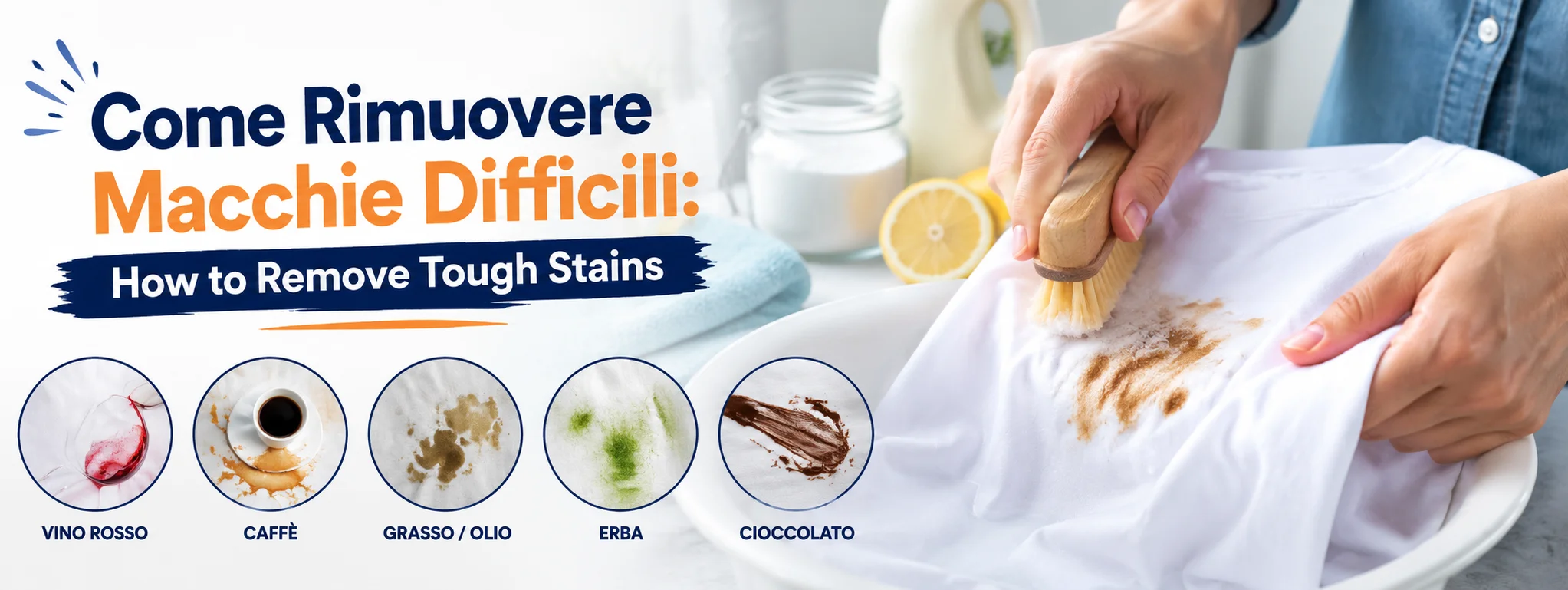
Accidents happen. Whether it’s a splash of rich red wine across a white tablecloth, an unexpected drip of espresso on your favorite shirt, or grease splatters from a Sunday dinner, tough stains are an inevitable part of life. Dealing with stubborn spots can be frustrating, but panic often leads to irreversible mistakes.
Removing complex stains isn’t about brute force—it’s about understanding the chemistry of the spot and acting strategically. With the right techniques, common household items, and a bit of patience, you can rescue almost any fabric from the trash bin. Here is your ultimate bilingual guide on how to conquer the most stubborn stains effectively.
The Golden Rules of Stain Removal
Before diving into specific types of spots, every successful stain-treatment routine relies on a few fundamental principles:
-
Act Immediately: Time is your biggest enemy. The longer a substance sits on a fabric, the deeper it binds to the textile fibers.
-
Blot, Never Rub: Friction spreads the pigment across a wider area and pushes the substance deeper into the weave. Always gently dab using a clean, white cloth or paper towel.
-
Work from the Outside In: To prevent the spot from expanding, begin cleaning along the outer edges and move inward toward the center.
-
Identify the Fabric: Always check the garment’s care label. Silk, wool, and delicate synthetics require gentler care than heavy cotton or linen.
-
Test in an Inconspicuous Area: Before applying any DIY solution or commercial chemical, test it on a hidden seam or inside hem to ensure it won’t cause discoloration.
Category 1: Protein-Based Stains (Blood, Sweat, Dairy)
Protein stains are unique because warmth causes the proteins to coagulate and lock permanently into fabric fibers.
How to Tackle Blood and Sweat
-
The Cardinal Rule: Never use warm or hot water on fresh protein stains. Always use cold water.
-
Fresh Blood: Flush the back of the stain with cold running water. For stubborn spots, create a paste using equal parts baking soda and cold water, rub it gently into the area, let it sit for 30 minutes, and rinse thoroughly.
-
Sweat & Collar Rings: Yellowing underarm stains are caused by the reaction between body salts and aluminum found in antiperspirants. Mix equal parts white vinegar and warm water, soak the area for 30 minutes, and scrub lightly with a soft-bristled toothbrush before tossing the garment into the wash.
Category 2: Tannin & Color Pigment Stains (Red Wine, Coffee, Tea)
Tannins are organic plant compounds found in beverages and fruits that create deep, rich colors. Unfortunately, those same pigments bind tightly to natural fibers.
| Stain Type | Primary Remedy | Application Method |
| Red Wine | Table Salt & Hydrogen Peroxide | Blot immediately. Cover liberally with salt to absorb liquid. Wash with a 1:1 mix of liquid dish soap and hydrogen peroxide. |
| Coffee / Tea | White Vinegar & Dish Soap | Flush with cool water. Sponge the spot with a mix of 1 tbsp dish soap, 1 tbsp white vinegar, and 2 cups of cool water. |
| Berries / Juice | Boiling Water Flush | Stretch the fabric taut over a bowl and carefully pour boiling water through the back of the stain from a height of 1–2 feet. |
Pro-Tip: Hydrogen peroxide acts as a natural mild bleach. Use it cautiously on dark or brightly colored fabrics to avoid unwanted bleaching.
Category 3: Oil and Grease Stains (Cooking Oil, Butter, Makeup)
Grease creates dark, slick patches that resist water. Because water repels oil, relying on a standard wash cycle without pretreatment will yield disappointing results.
Step-by-Step Grease Rescue
-
Absorb Excess Moisture: Sprinkle cornstarch, baby powder, or baking soda liberally over the oily patch. Let it sit for 15 to 20 minutes to draw out excess lipids. Brush the powder away.
-
Apply a Lipophilic Cleaner: Apply a few drops of concentrated liquid dish detergent (such as Dawn) directly to the area. Dish soaps are specifically engineered to break chemical bonds in fats.
-
Work It In: Gently massage the soap into the fibers using your fingers or a soft brush.
-
Rinse with Warm Water: Unlike protein stains, oil stains benefit from warm or hot water, which helps melt and wash away remaining lipids.
Category 4: Chemical & Ink Stains (Permanent Markers, Ballpoint Pens)
Ink requires solvent-based removal methods because simple soaps cannot dissolve the heavy dyes and petroleum products present in pens.
-
Ballpoint Pen: Place a clean paper towel underneath the fabric. Rubbing alcohol (isopropyl alcohol) or alcohol-based hand sanitizer works wonders. Douse a cotton ball in alcohol and dab the stain. Watch the ink transfer directly onto the paper towel beneath.
-
Permanent Marker: While challenging, permanent marker can often be lightened significantly using acetone (nail polish remover) on sturdy fabrics like cotton. Avoid using acetone on acetate or synthetic blends, as it can melt the fibers.
Universal DIY Cleaning Solutions
Keeping a few key household staples stocked allows you to create effective remedies at a moment’s notice:
-
White Vinegar: An acidic natural disinfectant that breaks down mineral deposits, neutralizes odors, and loosens set-in grime.
-
Baking Soda (Sodium Bicarbonate): A mild abrasive and deodorizer that lifts oil and lightens pigments.
-
3% Hydrogen Peroxide: An oxidizing agent ideal for whitening whites and lifting organic spots.
-
Liquid Dish Soap: A powerful surfactant that cuts through grease and emulsifies stubborn oils.
5 Frequently Asked Questions
1. What should I do if a stain doesn’t come out after washing?
Do not put the item in the clothes dryer. The intense heat of a dryer permanently sets almost every type of stain into the fabric fibers. If the spot is still visible after washing, repeat the pretreatment process and wash the item again while it is still damp.
2. Can I use hot water on all types of stains?
No. Hot water is excellent for oil, grease, and heavy grime, but it will permanently set protein-based stains like blood, milk, eggs, or urine. When in doubt, start with cold or lukewarm water.
3. How do I remove a stain that has already been heat-set?
Removing set-in stains requires patience. Soak the garment overnight in a solution of oxygen-based bleach (like OxiClean) and warm water. Alternatively, treat the area with a heavy-duty enzyme laundry detergent, let it sit for a few hours, and gently scrub before re-washing.
4. Is white vinegar safe for all fabrics?
While white vinegar is safe for most cottons, linens, and synthetic blends, its acidity can weaken delicate silk or wool over repeated exposures. Avoid using pure vinegar on elastane/spandex, as high acid levels can degrade elasticity over time.
5. What is the difference between oxygen bleach and chlorine bleach?
Chlorine bleach (sodium hypochlorite) is a harsh chemical best reserved for pure white cottons; it strips color and can damage delicate fibers. Oxygen bleach (sodium percarbonate) is color-safe, gentler on textiles, and relies on oxygen bubbles to break down organic matter safely.
Final Thoughts
Mastering the art of stain removal (Come Rimuovere Macchie Difficili) boils down to understanding basic chemistry: matching the right solvent to the specific type of spot. Whether you are dealing with organic pigments, stubborn oils, or accidental ink marks, fast action combined with gentle techniques will preserve the life, color, and texture of your favorite clothes and household textiles. Keep your laundry pantry stocked with everyday essentials like white vinegar, baking soda, and dish soap—you’ll be fully prepared to handle whatever life spills your way.
2 thought on “Come Rimuovere Macchie Difficili: How to Remove Tough Stains”