
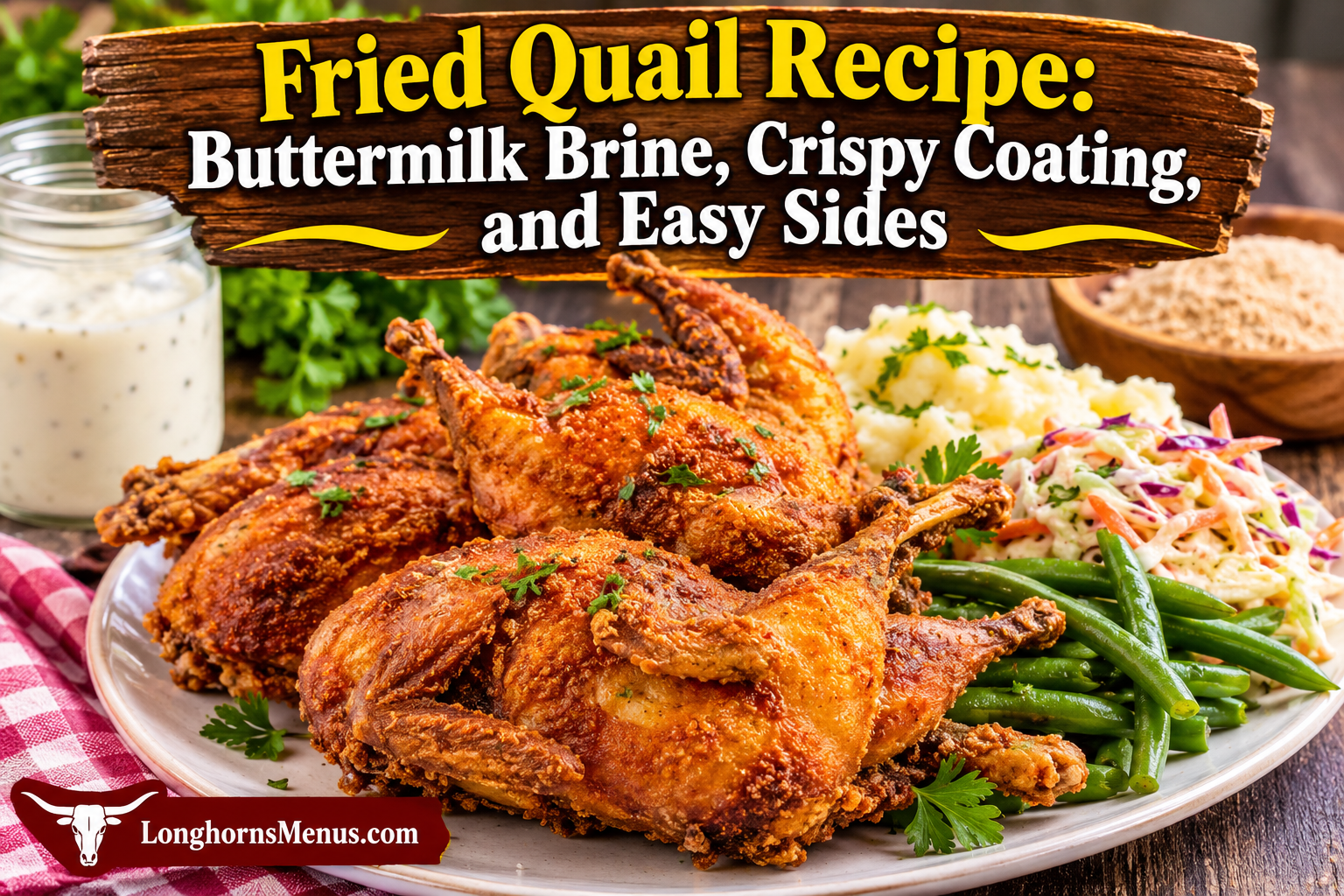
A homemade Fried Quail Recipe is a delicious way to enjoy tender, flavorful poultry with a golden, crispy coating. Quail is smaller than chicken but offers a rich, distinctive taste that pairs beautifully with Southern-style seasonings, creamy buttermilk, and crunchy fried breading. Whether you are preparing a weekend family dinner, hosting guests, or trying something different in your kitchen, fried quail can turn an ordinary meal into something memorable.
The secret to excellent fried quail is preparing the meat properly before frying. A buttermilk brine helps season the meat and adds moisture, while a well-seasoned flour coating creates the crunchy exterior that makes this dish so appealing. Since quail is relatively small and cooks quickly, controlling the oil temperature and checking doneness are especially important.
Why You Will Love This Fried Quail Recipe
Fried quail combines the comfort of traditional fried chicken with the distinctive flavor of a smaller game bird. Its tender meat and crispy coating make it suitable for both casual meals and special occasions.
Here are five reasons to try this recipe:
- Crispy texture: A seasoned flour coating creates a satisfying golden crust.
- Tender meat: Buttermilk brining helps improve flavor and moisture.
- Quick cooking: Small quail portions generally cook faster than chicken pieces.
- Flexible seasoning: You can adjust the spices to make the coating mild, smoky, or spicy.
- Versatile serving: Fried quail pairs well with mashed potatoes, biscuits, salads, and vegetables.
Ingredients for Homemade Fried Quail
You do not need complicated ingredients to prepare delicious fried quail. Most items are common kitchen staples.
Main Ingredients
| Ingredient | Amount | Purpose |
| Whole dressed quail | 4–6 birds | Main ingredient |
| Buttermilk | 2 cups | Brine and tender flavor |
| All-purpose flour | 1½ cups | Crispy coating |
| Cornstarch | ½ cup | Helps create a crisp crust |
| Paprika | 1 teaspoon | Color and mild flavor |
| Garlic powder | 1 teaspoon | Savory seasoning |
| Onion powder | 1 teaspoon | Added flavor |
| Black pepper | ½ teaspoon | Mild heat |
| Cayenne pepper | ¼ teaspoon | Optional spice |
| Salt | To taste | Seasoning |
| Eggs | 2 | Optional coating binder |
| Cooking oil | As needed | Deep frying |
Choose fresh or properly thawed quail from a reliable source. Make sure the birds are fully dressed and cleaned before preparation.
Optional Seasonings
You can customize the coating with additional ingredients:
- Smoked paprika for a deeper flavor.
- Dried thyme for an earthy herbal note.
- Mustard powder for a gentle tang.
- Cayenne pepper for extra heat.
- A little dried oregano for a Southern-inspired seasoning blend.
How to Prepare Quail for Frying
Proper preparation helps the quail cook evenly and allows the seasoning to reach more of the meat.
Step 1: Clean and Inspect the Quail
If you are using whole dressed quail, inspect each bird for remaining feathers or unwanted material.
Pat the birds dry with paper towels before placing them in the brine.
If the quail are especially large, you can split them in half along the backbone using kitchen shears. This makes them easier to handle and helps them cook more evenly.
Step 2: Prepare the Buttermilk Brine
Pour the buttermilk into a large food-safe bowl.
Add:
- 1 teaspoon garlic powder.
- ½ teaspoon black pepper.
- ½ teaspoon paprika.
- Salt according to taste.
Whisk the mixture until the seasonings are evenly distributed.
Buttermilk provides a slightly tangy flavor and helps the coating cling to the birds during preparation.
Step 3: Marinate the Quail
Place the quail in the buttermilk mixture, ensuring the pieces are well covered.
Cover the container and refrigerate for approximately 2–4 hours.
Do not leave raw quail at room temperature while marinating. Refrigeration is important for food safety.
For the best texture, avoid excessively long marinating times because the acidic ingredients can gradually affect the surface of the meat.
How to Make the Crispy Fried Quail Coating
The coating is what gives this recipe its irresistible crunch. A combination of flour and cornstarch creates a light, crisp exterior.
Step 1: Combine the Dry Ingredients
In a large shallow bowl, combine:
- All-purpose flour.
- Cornstarch.
- Paprika.
- Garlic powder.
- Onion powder.
- Black pepper.
- Cayenne pepper.
- Salt.
Mix thoroughly so the seasoning is distributed throughout the flour.
Step 2: Prepare the Egg Mixture
In a separate bowl, whisk two eggs with a tablespoon of water or buttermilk.
This step is optional if you prefer a simple buttermilk-to-flour coating, but the egg mixture can help create a thicker crust.
Step 3: Coat the Quail
Remove the quail from the refrigerator.
Allow excess buttermilk to drip away, then coat each bird in the seasoned flour mixture.
For an extra-crispy coating, dip the bird into the egg mixture and return it to the seasoned flour.
Press the flour gently against the surface so the coating adheres properly.
Place the coated birds on a clean rack for several minutes before frying. This helps the breading settle.
How to Make Fried Quail Step by Step
Once the birds are prepared, frying is relatively straightforward. The most important factors are maintaining an appropriate oil temperature and checking the internal temperature of the meat.
Step 1: Heat the Cooking Oil
Pour enough neutral cooking oil into a heavy-bottomed skillet or deep fryer to allow the quail to cook without crowding.
Suitable choices include vegetable, canola, or peanut oil.
Heat the oil to approximately 325–350°F.
Use a cooking thermometer to monitor the temperature. Avoid guessing because oil that is too hot can burn the coating before the meat is cooked.
Step 2: Add the Quail Carefully
Lower the coated quail gently into the hot oil.
Work in small batches so the pan does not become overcrowded.
Adding too many birds at once can lower the oil temperature and produce a greasy coating.
Step 3: Fry Until Golden
Turn the quail as needed to encourage even browning.
Because quail are relatively small, cooking time can vary considerably depending on their size, whether they are whole or split, and the temperature of the oil.
Do not depend on a fixed frying time to determine doneness.
Step 4: Check the Internal Temperature
Use a food thermometer to check the thickest part of the meat without touching bone.
Quail should reach an internal temperature of 165°F for food safety.
If the coating becomes dark before the center reaches the required temperature, reduce the heat and finish cooking carefully.
Step 5: Drain and Rest
Transfer the cooked quail to a wire rack placed over a baking tray.
Allow excess oil to drain and let the birds rest briefly before serving.
Avoid stacking them directly on top of one another because trapped steam can soften the crispy coating.
Best Easy Side Dishes for Fried Quail
Fried quail has a rich savory flavor that works well with fresh vegetables, creamy sides, and classic comfort foods.
Here are five excellent side dishes to serve with your meal:
1. Creamy Mashed Potatoes
Mashed potatoes provide a smooth and buttery contrast to crispy quail. Add a little garlic, butter, and milk for extra flavor.
2. Southern-Style Biscuits
Warm homemade biscuits are a wonderful addition to a Southern-inspired dinner. Serve them with butter, honey, or a little gravy.
3. Coleslaw
Fresh cabbage and carrots mixed with a creamy or vinegar-based dressing add a refreshing contrast to fried poultry.
4. Roasted Green Beans
Toss green beans with olive oil, garlic, and black pepper before roasting. Their slightly crisp texture works beautifully with the crunchy quail coating.
5. Macaroni and Cheese
Creamy macaroni and cheese makes the meal more comforting and filling. A little smoked paprika can complement the seasoning on the quail.
Different Ways to Customize Your Fried Quail Recipe
Once you understand the basic preparation, you can experiment with several flavor combinations.
Spicy Southern Fried Quail
Add extra cayenne pepper, smoked paprika, and a little hot sauce to the buttermilk mixture.
This version creates a bold, spicy flavor that works especially well with creamy coleslaw.
Garlic Parmesan Fried Quail
Add grated Parmesan, garlic powder, and dried parsley to the flour coating.
The cheese creates a savory crust with a delicious garlic aroma. Watch the coating carefully because cheese can brown quickly.
Honey Butter Fried Quail
Prepare a simple sauce by combining melted butter with a little honey.
Brush a small amount over the freshly fried quail just before serving. The sweet coating balances the savory spices.
Herb-Seasoned Fried Quail
Mix dried thyme, rosemary, parsley, and black pepper into the flour.
This combination gives the coating a fragrant herbal flavor without overpowering the natural taste of the meat.
Important Tips for Perfect Crispy Fried Quail
A few small adjustments can make a significant difference in your finished dish.
Keep the Oil Temperature Consistent
Maintaining an oil temperature between approximately 325–350°F helps the coating brown evenly. Use a thermometer and allow the oil to recover between batches.
Avoid Excessive Moisture
Let excess buttermilk drip away before applying the flour coating. Too much liquid can create uneven breading.
Do Not Overcrowd the Pan
Frying too many birds at once lowers the oil temperature and makes the crust less crispy.
Use a Wire Rack
Draining the fried quail on a wire rack allows air to circulate around the coating. Paper towels alone can trap steam underneath.
Check Every Bird for Doneness
Different-sized quail may finish cooking at different times. Check each bird or portion with a food thermometer rather than assuming the entire batch is ready together.
How to Store and Reheat Fried Quail
Proper storage helps maintain the quality of leftover fried quail.
Refrigeration
Allow the quail to cool slightly and refrigerate it within two hours of cooking.
Place the leftovers in an airtight container and keep them at 40°F or below. For best food safety, use cooked poultry leftovers within 3–4 days.
Freezing
For longer storage, wrap individual portions and place them in freezer-safe containers.
Label each package with the date. For best quality, use frozen cooked quail within approximately 2–3 months.
Reheating
Reheat fried quail in an oven or air fryer to help restore its crispy exterior.
Heat until the internal temperature reaches 165°F. Avoid repeatedly reheating the same portion because this can affect both texture and quality.
Common Mistakes to Avoid When Frying Quail
Even a simple recipe can become disappointing if a few details are overlooked.
- Skipping the brine: Buttermilk helps add flavor and improves the coating process.
- Using excessively hot oil: The outside may burn before the inside cooks properly.
- Overcrowding the pan: This can create greasy, unevenly browned quail.
- Using too much flour: Excess coating can become heavy instead of crispy.
- Ignoring internal temperature: Golden-brown color does not guarantee that poultry is fully cooked.
Following these simple precautions will help you prepare a more consistent and enjoyable meal.
Final Thoughts
This Fried Quail Recipe is a delicious way to enjoy tender poultry with a crunchy, flavorful coating. The combination of buttermilk brine, seasoned flour, and carefully controlled frying creates a satisfying dish that works beautifully for family dinners and special occasions.
The most important steps are allowing the quail to absorb the buttermilk seasoning, preparing an evenly distributed coating, maintaining the right oil temperature, and checking that every piece reaches 165°F internally.
Serve your homemade fried quail with mashed potatoes, Southern biscuits, coleslaw, or roasted vegetables for a complete meal. You can also experiment with spicy seasonings, garlic Parmesan coating, and honey butter to create different versions.
With a little preparation and attention to detail, crispy fried quail can become an impressive addition to your favorite homemade recipes.
Frequently Asked Questions (FAQs)
1. Should I soak quail in buttermilk before frying?
Yes. Buttermilk adds a mild tangy flavor, helps season the meat, and allows the flour coating to adhere more easily.
2. How long should quail marinate in buttermilk?
Approximately 2–4 hours in the refrigerator is a useful starting point for this recipe.
3. What temperature should oil be for frying quail?
A temperature of approximately 325–350°F is a good starting range. Monitor the oil with a cooking thermometer.
4. How do I know when fried quail is fully cooked?
Check the thickest part with a food thermometer. Quail should reach an internal temperature of 165°F.
5. What sides go best with fried quail?
Mashed potatoes, coleslaw, biscuits, macaroni and cheese, and roasted green beans are excellent choices.