
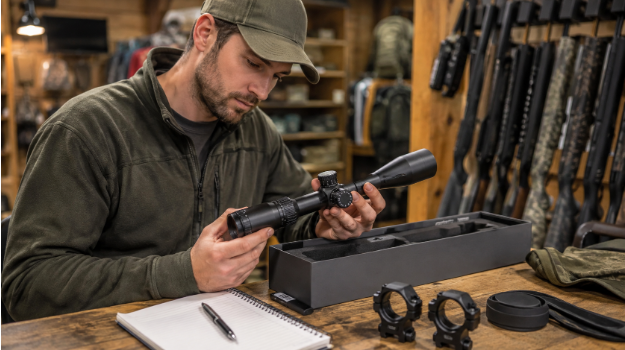
Buying your first hunting rifle scope can feel like navigating a maze of specifications, price points, and conflicting advice from well-meaning friends. Rather than trying to absorb everything about optics in one sitting, it helps to work through a focused checklist of questions that actually determine whether a scope will serve you well. This isn’t about finding the single “best” scope, since that answer changes based on your specific situation, it’s about making sure you’ve covered the details that matter before you commit to a purchase.
Working through these questions methodically, rather than getting distracted by flashy marketing claims, puts you in a much stronger position, whether you end up choosing a budget-friendly option or investing in glass from an established hunting rifle scope manufacturer. Here’s what to confirm before you buy.
Have You Identified Your Realistic Shot Distances?
Before comparing a single scope, think honestly about the distances you’re actually likely to shoot at based on where and how you hunt. A hunter in dense Eastern timber has very different needs than someone glassing open Western terrain, and this single factor should guide most of your other decisions, including magnification range and reticle style.
It’s easy to plan around an occasional long shot that might happen once a season, but your scope should primarily be optimized for the shots you’ll realistically take most often, not the rare exception.
Does the Magnification Range Actually Fit Your Hunting Style?
Once you know your realistic shot distances, check whether a scope’s magnification range genuinely matches that need rather than simply choosing based on an impressive-sounding top-end number. A few quick questions to run through:
- Does the low end of the range offer enough field of view for close, fast shots if you hunt in tight cover?
- Does the high end offer enough precision for your longest realistic shots, without being excessive for shots you’ll rarely take?
- Will you actually use the full range regularly, or will the scope sit at one setting most of the time?
Is the Objective Lens Size Appropriate for Your Rifle and Rings?
Confirm that the objective lens diameter works with the scope rings you plan to use and doesn’t create clearance issues with your rifle’s barrel. This is a detail that’s easy to overlook when comparing scopes online, but it directly affects whether your final setup will actually fit together properly and provide a comfortable cheek weld.
What’s the Warranty and Return Policy?
Before purchasing, check exactly what the warranty covers, how long it lasts, and whether it transfers if you ever sell the rifle. Also confirm the retailer’s return policy in case the scope doesn’t perform as expected once mounted, since some issues only become apparent after actually using the scope in the field rather than just handling it in a store.
Have You Budgeted for the Full Setup, Not Just the Scope?
A common first-time mistake is spending the entire budget on the scope itself and treating rings, bases, and other supporting hardware as an afterthought. In reality, quality rings and proper mounting hardware are essential to getting reliable performance from any scope, regardless of how good the glass itself is.
Plan your budget to cover the complete setup, including professional mounting and boresighting if you’re not confident doing this yourself, rather than allocating everything to the scope and scrambling to cover the rest afterward.
Does the Scope Match Your Rifle’s Recoil Level?
Confirm that the scope you’re considering is rated appropriately for your rifle’s recoil, particularly if you’re pairing it with a harder-kicking caliber. Some budget scopes aren’t built to handle heavy, repeated recoil reliably over time, which can lead to internal component damage or zero shift that wouldn’t occur with a scope properly rated for that level of recoil.
Checking recoil ratings published by a specific hunting rifle scope manufacturer before buying can save you from a costly mistake, particularly if you’re pairing your first scope with a magnum or heavy-recoiling caliber that pushes beyond what an entry-level optic is designed to withstand.
Have You Considered Where You’ll Primarily Hunt?
Terrain and climate play a bigger role in scope selection than many first-time buyers initially consider. Someone hunting primarily in humid, wet climates should prioritize sealing and fog resistance more heavily than a hunter in a consistently dry region, while someone hunting at higher elevations should pay closer attention to how a scope performs in colder, more variable conditions.
Thinking through your typical hunting environment before comparing scopes helps you weigh weatherproofing and durability features appropriately, rather than treating every scope’s environmental resistance claims as equally relevant to your situation.
Do You Understand What You’re Giving Up at a Lower Price Point?
Budget scopes aren’t inherently bad, but it’s worth understanding specifically what tends to differ at lower price points so you can decide whether those trade-offs matter for your situation. Common differences include less durable lens coatings, simpler turret mechanisms that may not track as precisely, and lighter-duty internal components that hold up less reliably under heavy or prolonged use.
Being clear-eyed about these trade-offs, rather than assuming all scopes perform similarly regardless of price, helps you make a genuinely informed decision about where it makes sense to spend more and where a budget option reasonably meets your needs.
Have You Checked Eye Relief for Your Shooting Position?
Eye relief matters more than many first-time buyers realize, particularly for rifles with significant recoil. Confirm the scope’s eye relief specification and, if possible, mount it temporarily or handle a similar setup in person before finalizing your purchase, to make sure it works comfortably with your typical shooting position and stock length of pull.
Are You Buying Based on Genuine Reviews or Just Marketing Copy?
Product descriptions understandably emphasize a scope’s strengths, so it’s worth seeking out genuine field reviews from hunters who’ve actually used the scope in conditions similar to yours. Look specifically for mentions of long-term durability, low-light performance, and turret reliability, since these are the areas where budget options most commonly fall short compared to their marketing claims.
Do You Have a Plan for Mounting and Zeroing?
Before your scope even arrives, think through how you’ll handle mounting and initial zeroing. If you’re not confident doing this yourself, research a local gunsmith or sporting goods store that offers this service, and factor the cost into your overall budget rather than treating it as a surprise expense after the fact.
Putting It All Together
Companies like billingsoptics.com that specialize in hunting optics often provide detailed product information addressing many of these exact questions directly on their product pages, which can save you time compared to piecing together answers from multiple sources.
Working through a checklist like this before you buy, rather than researching reactively after a problem shows up in the field, leads to a far more satisfying first scope purchase.
Final Thoughts
Your first rifle scope doesn’t need to be the most expensive or feature-heavy option available, it needs to genuinely fit how, where, and what you hunt. Working through practical questions about shot distance, magnification, budget for the full setup, and recoil compatibility before you buy prevents the common frustration of realizing after the fact that a scope simply wasn’t the right match. A little upfront research pays off with a setup you can trust confidently once you’re actually in the field.