
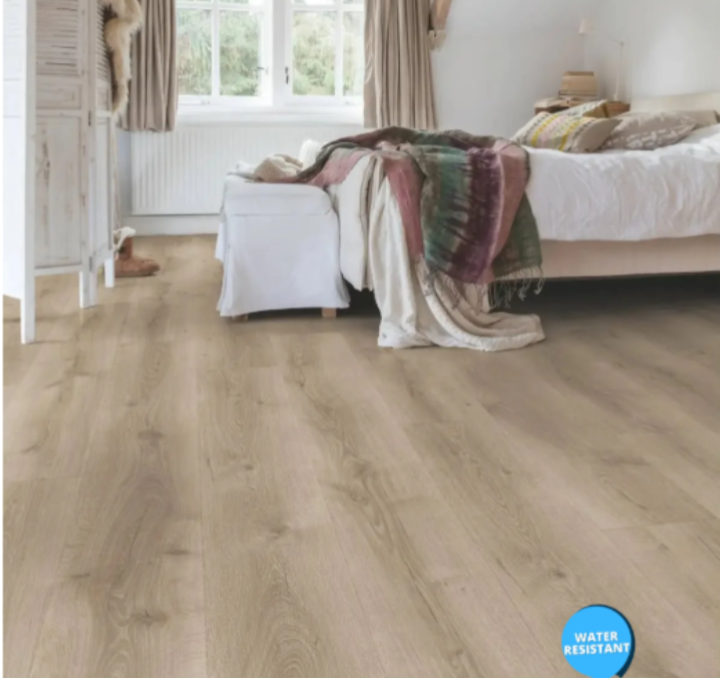
Engineered wood and laminate flooring are two of the most popular choices for modern UK homes. They’re both stylish, practical and available in a huge range of designs — but they are not the same. In fact, the differences between engineered wood and laminate flooring are significant, and choosing the right one depends on your priorities: authenticity, durability, budget, maintenance, installation and long‑term value.
Many homeowners assume laminate is simply a cheaper version of engineered wood, or that engineered wood is just laminate with a real‑wood top. Neither is true. Each flooring type has its own strengths, limitations and ideal use cases. In this article, we at Floor Land break down the real differences between engineered wood and laminate so you can make an informed, confident decision for your home.
What Engineered Wood and Laminate Have in Common
Before diving into the differences, it’s worth noting what these two flooring types share:
- Both are multi‑layered products
- Both are available in click‑fit systems
- Both offer wood‑effect designs
- Both are suitable for most rooms
- Both are more stable than solid wood
But that’s where the similarities end.
The Core Difference: Real Wood vs Printed Design
Engineered Wood: Real Hardwood Surface
Engineered wood flooring is made with a real hardwood veneer — usually oak or walnut — bonded to a stable multi‑layered core. This means:
- The surface is genuine wood
- The grain, knots and texture are natural
- Every plank is unique
Engineered wood looks, feels and ages like real timber because it is real timber.
Laminate: High‑Definition Printed Image
Laminate flooring uses a printed photographic layer to mimic the look of wood. This is protected by a tough wear layer.
This means:
- The design is replicated across planks
- Texture is embossed, not natural
- It looks realistic, but not identical to real wood
Laminate offers excellent visuals, but it cannot match the authenticity of engineered wood.
Durability and Lifespan
Engineered Wood Durability
Engineered wood is highly durable thanks to its hardwood surface and stable core.
- Can last 20–40+ years
- Can be sanded and refinished (depending on wear layer thickness)
- Ages beautifully over time
- Resistant to moderate wear
Laminate Durability
Laminate is extremely tough and scratch‑resistant, making it ideal for busy homes.
- Can last 10–20 years
- Cannot be sanded or refinished
- Highly resistant to scratches and dents
- Excellent for pets and children
Verdict
- Engineered wood wins for longevity
- Laminate wins for scratch resistance
Water Resistance and Moisture Performance
Quick Step Engineered Wood Flooring
- More stable than solid wood
- Suitable for kitchens and hallways
- Not recommended for bathrooms
- Needs careful cleaning of spills
Laminate
- Water‑resistant options available
- Still vulnerable to swelling if water penetrates joints
- Not suitable for bathrooms unless specifically rated
Verdict
Neither is fully waterproof — vinyl is the better choice for wet rooms — but laminate handles everyday spills slightly better.
Underfloor Heating Compatibility
Engineered Wood
- One of the best flooring types for underfloor heating
- Stable construction handles temperature changes
- Provides warm, natural comfort
Laminate
- Works well with underfloor heating
- Transfers heat efficiently
- Needs correct underlay
Verdict
Both are compatible, but engineered wood offers a more premium feel underfoot.
Installation: Which Is Easier?
Engineered Wood
- Click‑fit or tongue‑and‑groove
- Can be floated, glued or nailed
- Requires more skill than laminate
- Needs acclimatisation
Laminate
- Very easy to install
- Ideal for DIY projects
- Floated installation only
- Minimal acclimatisation
Verdict
Laminate is easier and faster to install.
Maintenance and Everyday Care
Engineered Wood
- Needs gentle cleaning
- Avoid excessive moisture
- Can be refinished to remove wear
- Ages naturally and beautifully
Laminate
- Very low maintenance
- Highly resistant to stains
- Easy to clean
- Cannot be refinished
Verdict
Laminate is easier to maintain, but engineered wood offers long‑term repairability.
Appearance and Authenticity
Engineered Wood
- Real wood grain
- Natural variation
- Premium, timeless look
- Adds warmth and character
Laminate
- High‑definition printed designs
- Consistent appearance
- Modern, clean visuals
- Excellent value
Verdict
For authenticity and luxury, engineered wood is unmatched.
Cost Comparison
Engineered Wood
- Higher upfront cost
- Longer lifespan
- Adds value to the home
- Premium material
Laminate
- More affordable
- Great for budget‑friendly renovations
- Ideal for rental properties
Verdict
Laminate wins on price, but engineered wood offers better long‑term value.
Which Should You Choose?
Choose Engineered Wood If You Want:
- Real wood beauty
- Long‑term durability
- A premium finish
- Compatibility with underfloor heating
- A floor that can be refinished
- A timeless, natural aesthetic
Choose Laminate If You Want:
- A budget‑friendly option
- Excellent scratch resistance
- Easy installation
- Low maintenance
- A modern, consistent look
- A practical choice for busy homes
Both flooring types are excellent. The right choice depends on your lifestyle, budget and design goals.
Engineered Wood vs Laminate: The Bottom Line
Engineered wood offers the authenticity, longevity and premium feel of real timber. Laminate offers affordability, practicality and impressive durability. At Floor Land, we supply both options because each serves a different purpose, and both can transform a home beautifully.
Engineered wood is the upgrade.
Laminate is the convenience.
Both are smart choices for the right homeowner.
Authored by Lee McCarthy.
Floor Land
Cockhedge Shopping Centre
Warrington
Cheshire
United Kingdom
WA1 2QQ