
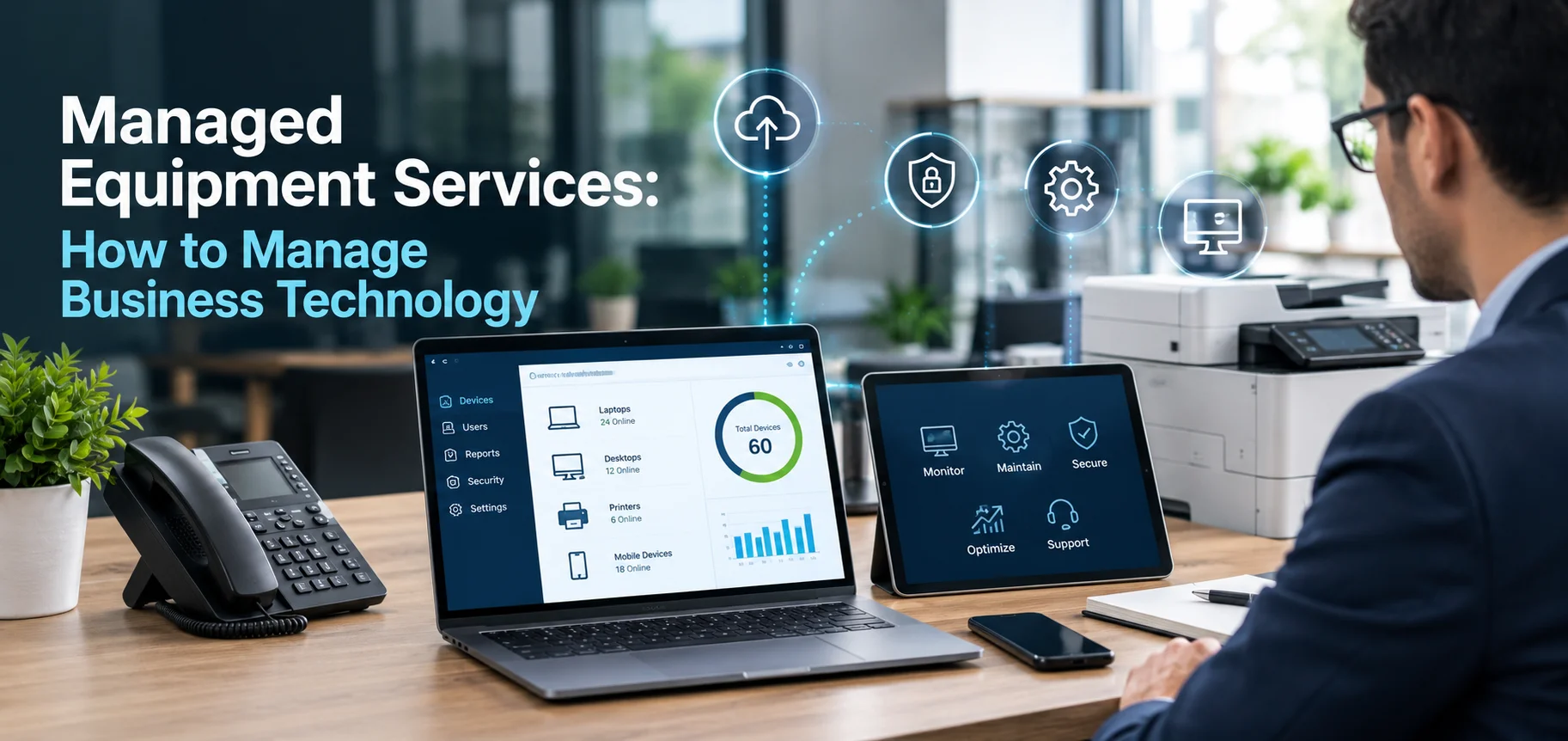
Managed Equipment Services (MES) provide businesses with a practical way to access, maintain, and manage essential equipment without handling every technical and operational responsibility themselves. From healthcare facilities and laboratories to manufacturing plants, offices, and industrial organizations, equipment plays a critical role in daily operations. When machines fail, maintenance becomes expensive, or technology becomes outdated, productivity and service quality can suffer.
Managed Equipment Services offer a structured solution by combining equipment provision, maintenance, technical support, lifecycle management, and sometimes financing into one coordinated service arrangement. Instead of purchasing every asset independently and managing repairs internally, organizations can work with a specialist provider that helps keep equipment reliable, compliant, and ready for use.
As businesses face growing pressure to control costs and improve performance, Managed Equipment Services are becoming an attractive option for organizations that depend on complex or expensive equipment. Understanding how these services work, what they include, and how to choose the right provider can help decision-makers make smarter investments and build more efficient operations.
Understanding Managed Equipment Services
Managed Equipment Services are arrangements in which an external provider takes responsibility for supplying, maintaining, supporting, or managing equipment according to an agreed contract. The exact services depend on the industry, the equipment involved, and the organization’s operational requirements.
Unlike a simple equipment rental agreement, a managed service may cover the entire equipment lifecycle. This can include initial planning, installation, staff training, preventive maintenance, repairs, replacement planning, and eventual upgrades.
For example, a hospital may use Managed Equipment Services to manage diagnostic machines, patient monitoring systems, and other clinical technology. A manufacturing company might use a similar arrangement for production machinery, inspection tools, and specialized technical equipment.
The primary goal is to ensure that equipment remains available, safe, and suitable for its intended purpose while reducing the administrative burden on the organization.
How the Managed Service Model Works
The process generally begins with an assessment of the organization’s needs. The provider evaluates existing equipment, operating conditions, technical requirements, and future demand.
After this assessment, both parties agree on the equipment portfolio, service responsibilities, contract duration, payment structure, and performance expectations.
Once the agreement begins, the provider may coordinate installation, maintenance schedules, repairs, technical support, and equipment replacement. The organization continues to use the equipment while the provider manages the responsibilities specified in the contract.
This model creates a more organized approach to equipment management, particularly when multiple departments rely on different types of machinery or technology.
Key Components of Managed Equipment Services
A comprehensive Managed Equipment Services agreement may include several interconnected services. Understanding these components helps businesses determine whether a provider can meet their operational needs.
1. Equipment Planning and Procurement
Equipment planning helps organizations identify the assets they need now and in the future. Providers may assess current demand, expected workloads, compatibility requirements, and technological developments before recommending suitable equipment.
Professional procurement can also reduce the risk of purchasing unnecessary or incompatible assets. Instead of making separate purchasing decisions for every department, businesses can develop a coordinated equipment strategy.
2. Installation and Commissioning
Correct installation is essential for reliable equipment performance. Depending on the agreement, providers may coordinate delivery, setup, configuration, testing, and commissioning.
Specialized equipment may require calibration, environmental checks, software configuration, or safety testing before it can be used.
A well-managed installation process helps reduce delays and ensures that equipment meets the required operational specifications.
3. Preventive Maintenance and Repairs
Maintenance is one of the most valuable parts of Managed Equipment Services. Regular inspections and scheduled servicing can identify potential problems before they cause unexpected breakdowns.
Providers may perform routine checks, replace worn components, update software, and coordinate repairs when equipment stops functioning correctly.
Preventive maintenance can improve reliability, extend equipment life, and reduce disruptions. However, the actual results depend on equipment condition, usage patterns, maintenance quality, and the provider’s performance.
4. Technical Support and Staff Training
Employees need to understand how to operate equipment safely and effectively. Depending on the contract, the provider may offer technical guidance, user training, troubleshooting, and ongoing support.
Training is particularly important when equipment includes advanced controls, specialized software, or strict safety requirements.
Accessible technical support also helps employees resolve minor issues quickly rather than allowing avoidable problems to interrupt operations.
5. Equipment Upgrades and Lifecycle Management
Equipment does not remain suitable forever. Technology evolves, components become harder to obtain, and maintenance costs can increase as assets age.
Managed Equipment Services can include long-term planning for upgrades, replacements, and equipment retirement. This allows organizations to prepare for future investment instead of responding only when machines fail.
Lifecycle management is especially valuable for businesses that depend on expensive equipment with long replacement cycles.
Major Benefits of Managed Equipment Services
Organizations choose managed services for several reasons, including improved reliability, predictable costs, and access to technical expertise.
Better Cost Control
Purchasing equipment involves more than the initial price. Organizations must also consider installation, maintenance, spare parts, staff training, software updates, downtime, and replacement costs.
A managed service agreement can combine several expenses into a predictable payment structure. This may simplify budgeting and make financial planning easier.
However, a fixed monthly or annual fee does not automatically guarantee savings. Businesses should compare the complete contract cost with the total cost of owning and maintaining the equipment internally.
Reduced Operational Downtime
Equipment failure can delay production, interrupt customer service, or affect essential clinical activities.
Scheduled maintenance, responsive technical support, and access to replacement equipment can help reduce the impact of unexpected failures. Contractual response times and repair commitments are particularly important for organizations that cannot tolerate long periods of downtime.
Access to Specialist Expertise
Some equipment requires technical knowledge that an organization may not have internally. Managed service providers can offer access to trained engineers, maintenance specialists, and equipment management professionals.
This can reduce the need to recruit and maintain a large internal technical team, although organizations may still need qualified employees to supervise equipment use and compliance.
Improved Equipment Performance
Regular maintenance and performance monitoring can help equipment operate closer to its intended specifications.
Providers may also identify outdated assets, recurring faults, and opportunities for more efficient equipment use. Better asset visibility supports informed decisions about repairs, upgrades, and replacement planning.
Greater Focus on Core Activities
When equipment administration consumes significant staff time, important business activities can receive less attention.
Managed Equipment Services can transfer defined responsibilities to an external specialist, allowing internal teams to concentrate on patient care, manufacturing, customer service, research, or other core priorities.
Industries That Use Managed Equipment Services
Managed Equipment Services can support many sectors, although their structure and requirements vary considerably.
Healthcare and Medical Facilities
Hospitals and healthcare organizations often depend on complex diagnostic, monitoring, imaging, and treatment equipment.
Managed services may help coordinate maintenance, calibration, technical support, replacement planning, and equipment availability. These responsibilities are particularly important because equipment failures can affect patient care.
Healthcare organizations must still ensure that clinical decisions, safety oversight, regulatory compliance, and other non-transferable responsibilities remain properly managed.
Manufacturing and Industrial Operations
Factories rely on production machinery, inspection systems, automation technology, and specialized tools.
A managed service arrangement can support maintenance planning, reduce avoidable interruptions, and help coordinate equipment upgrades. For facilities operating around the clock, reliable technical support can be especially valuable.
Laboratories and Research Facilities
Laboratories may require precision instruments, testing equipment, refrigeration systems, and analytical technology.
Maintenance and calibration are essential for dependable results. Managed services can help laboratories organize servicing schedules and document equipment performance, subject to the applicable quality standards.
Offices and Commercial Organizations
Businesses also depend on printers, networking equipment, communication systems, and workplace technology.
Managed equipment arrangements can simplify support and maintenance across multiple locations. This may be particularly useful for organizations that want consistent service standards without managing every device separately.
Managed Equipment Services vs. Traditional Equipment Ownership
Traditional ownership gives an organization direct control over its assets. Managed Equipment Services shift some equipment-related responsibilities to a provider. Neither approach is automatically better for every business.
| Factor | Managed Equipment Services | Traditional Ownership |
|---|---|---|
| Initial investment | May reduce upfront capital requirements | Often requires an upfront purchase |
| Maintenance | Included when specified in the contract | Managed internally or purchased separately |
| Budgeting | May provide predictable service payments | Costs vary with repairs and replacement needs |
| Technical expertise | Access to provider specialists | Requires internal staff or external contractors |
| Equipment upgrades | May be planned within the agreement | Organization arranges and funds upgrades |
| Operational control | Shared according to contract terms | Generally greater direct control |
| Long-term cost | Depends on fees and contract conditions | Depends on purchase, maintenance, and operating costs |
Before choosing a model, businesses should calculate the total cost over the expected equipment lifecycle. They should also consider whether they have the staff, resources, and expertise to manage the equipment independently.
How to Choose the Right Managed Equipment Services Provider
Selecting the right provider requires more than comparing quoted prices. A reliable partner should understand the organization’s operations and demonstrate the ability to deliver consistent technical support.
Consider these five essential checks:
- Industry experience: Look for relevant experience with the equipment types, operating environments, and technical standards your organization requires.
- Clear service-level agreements: Confirm response times, repair targets, equipment availability commitments, and escalation procedures.
- Transparent pricing: Review service fees, exclusions, replacement charges, annual increases, and additional costs.
- Maintenance capabilities: Check technician qualifications, spare-parts availability, preventive maintenance procedures, and service coverage.
- Strong reporting: Ask how the provider records maintenance activities, tracks equipment performance, and reports service outcomes.
Review Contract Terms Carefully
The contract should clearly identify which equipment is covered, what services are included, and which responsibilities remain with your organization.
Pay close attention to service interruptions, equipment replacement, data security where relevant, insurance, liability, contract termination, and end-of-contract arrangements.
It is also important to understand what happens when equipment becomes obsolete or a manufacturer discontinues a product. Clear replacement policies can prevent unexpected expenses and operational uncertainty.
Measure Performance Regularly
After implementation, organizations should evaluate whether the service delivers the expected results.
Useful performance indicators include equipment uptime, repair turnaround time, maintenance completion rates, total cost of ownership, and the number of recurring faults.
Regular reviews help identify problems early and provide evidence for contract improvements or renewal decisions.
Potential Challenges and How to Manage Them
Although Managed Equipment Services offer important advantages, organizations should understand the potential drawbacks before signing an agreement.
Provider Dependency
Relying heavily on one provider can create challenges if service quality declines or the contract ends unexpectedly.
Businesses can reduce this risk by maintaining accurate equipment records, establishing clear exit procedures, and ensuring that critical technical documentation remains accessible.
Contract Limitations
Some agreements exclude consumables, accidental damage, software licensing, specific repairs, or equipment used outside approved conditions.
Reading the service schedule and exclusions carefully can prevent misunderstandings. Organizations should also confirm whether the provider can support changes in demand or future expansion.
Unexpected Costs
A contract may appear affordable while additional charges increase the overall expense.
Request a detailed cost breakdown and ask for examples of how the provider handles major repairs, replacement equipment, emergency callouts, and annual price adjustments.
Transition and Integration Issues
Moving from internal management to an external service can require equipment audits, staff training, record transfers, and changes to maintenance procedures.
A phased transition plan can reduce disruption and help ensure that critical equipment remains available throughout implementation.
The Future of Managed Equipment Services
Technology is changing how equipment is maintained and managed. Digital monitoring, connected sensors, predictive analytics, and artificial intelligence can help providers identify performance changes and anticipate potential faults.
For example, sensors may detect unusual vibration or temperature in industrial machinery. Maintenance teams can then investigate the issue before a complete failure occurs.
Remote diagnostics may also allow technicians to troubleshoot certain problems without visiting the site immediately. Digital asset registers and centralized reporting can improve visibility across multiple facilities.
However, these technologies require reliable data, appropriate cybersecurity measures, and suitable integration with existing systems. Organizations should evaluate the practical benefits instead of assuming that every digital feature will automatically improve performance.
Sustainability is another important consideration. Repairing equipment where appropriate, extending useful life, selecting energy-efficient replacements, and managing end-of-life disposal responsibly can support environmental objectives while helping control long-term costs.
Final Thoughts
Managed Equipment Services provide a strategic way for organizations to manage equipment, maintenance, technical support, and replacement planning through a coordinated service arrangement. When designed around genuine operational needs, these services can improve equipment reliability, support predictable budgeting, and reduce the burden of day-to-day asset management.
The greatest value comes from choosing a provider with relevant expertise, transparent pricing, clearly defined responsibilities, and measurable performance commitments. Businesses should also compare managed services with traditional ownership to understand the complete financial and operational impact.
Whether used in healthcare, manufacturing, laboratories, or commercial workplaces, Managed Equipment Services can offer a powerful solution for organizations seeking greater efficiency and dependable equipment performance. Careful planning and regular contract reviews help ensure that the arrangement continues to deliver meaningful value over time.
Frequently Asked Questions (FAQs)
1. What are Managed Equipment Services?
Managed Equipment Services are arrangements in which a specialist provider supplies, maintains, supports, or manages equipment under an agreed contract.
2. Which industries benefit from Managed Equipment Services?
Healthcare, manufacturing, laboratories, research facilities, offices, and other equipment-dependent organizations may benefit from managed equipment arrangements.
3. Do Managed Equipment Services reduce costs?
They can improve cost predictability and reduce certain maintenance expenses, but actual savings depend on contract fees, equipment usage, and the cost of traditional ownership.
4. Does a managed service include equipment replacement?
Replacement may be included, but it depends on the contract. Organizations should confirm upgrade schedules, replacement conditions, and additional charges before signing.
5. How can a business select the best provider?
Compare industry experience, service-level agreements, pricing transparency, technical capabilities, maintenance coverage, reporting quality, and contract flexibility.