
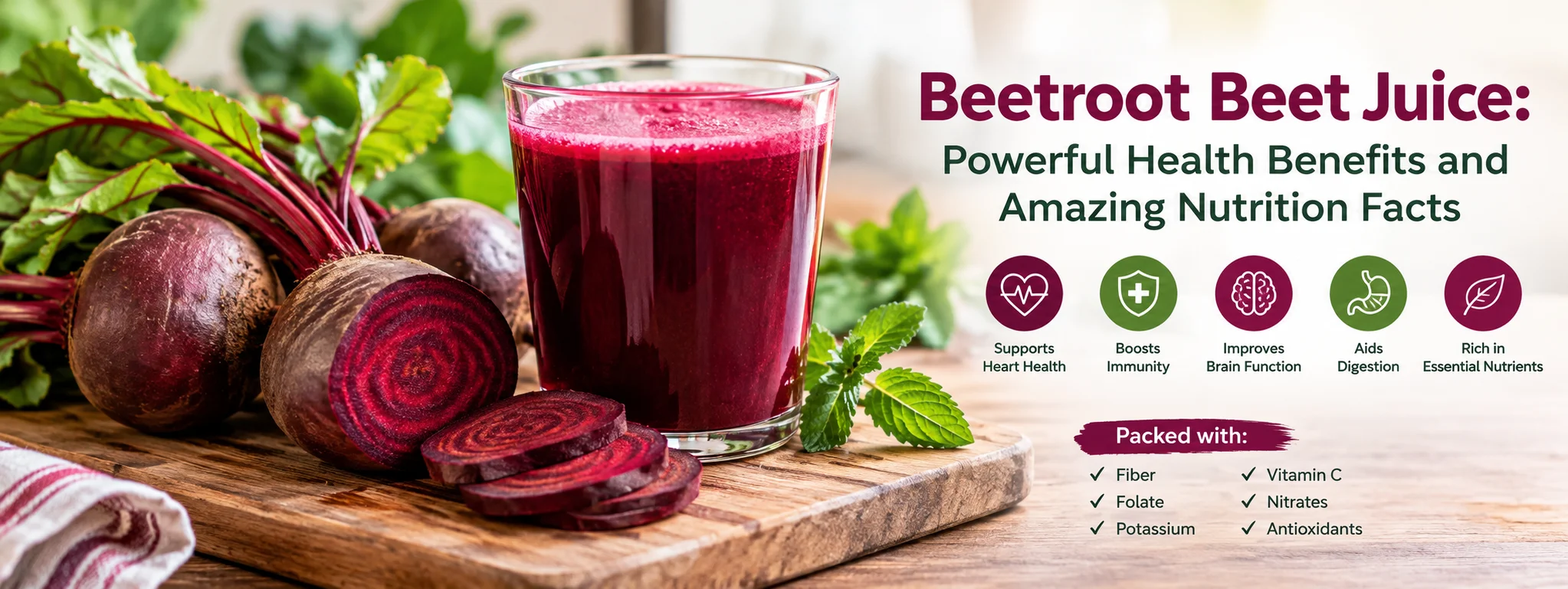
Beetroot Beet Juice is a vibrant, nutrient-rich drink that has gained popularity among health-conscious people, athletes, and anyone looking for a refreshing way to support a balanced lifestyle. Made from fresh beetroot, this colorful juice delivers essential nutrients, natural plant compounds, and dietary nitrates that may help support healthy blood circulation, exercise performance, and overall well-being. Its earthy flavor and impressive nutritional profile make it an exciting addition to a daily diet.
Whether you enjoy it in the morning, before a workout, or alongside a healthy meal, beetroot juice offers several potential benefits worth exploring. However, understanding its nutritional value, proper serving sizes, possible side effects, and preparation methods is essential for making the most of this powerful drink. Here is a closer look at the science-backed benefits and practical ways to enjoy beetroot juice.
Beetroot Beet Juice Nutrition Facts
Beetroot contains several important vitamins, minerals, and naturally occurring compounds. When converted into juice, some of these nutrients remain, although the amount depends on the quantity of beetroot used and whether the juice is strained.
Beetroot juice is particularly known for its dietary nitrates, which the body can convert into nitric oxide. This molecule helps relax blood vessels, supporting circulation and the regulation of blood pressure.
Nutritional Value of Beetroot Juice
The following table provides approximate nutritional values for one cup (240 ml) of beetroot juice. Actual values can vary depending on the recipe, beetroot size, and preparation method.
| Nutrient | Approximate Amount |
|---|---|
| Calories | 100–110 kcal |
| Carbohydrates | 22–25 g |
| Natural sugars | 18–22 g |
| Protein | 2–3 g |
| Dietary fiber | 0–2 g |
| Potassium | 500–600 mg |
| Folate (Vitamin B9) | 100–150 mcg |
| Vitamin C | 5–10 mg |
| Magnesium | 30–40 mg |
| Dietary nitrates | Variable |
Note: These figures are estimates, not laboratory-tested values for every beetroot juice product. Strained juice generally contains less fiber than whole beetroot.
Essential Nutrients That Support Wellness
Beetroot juice provides several compounds that contribute to normal body functions:
- Dietary nitrates: Help the body produce nitric oxide, which supports blood vessel relaxation and circulation.
- Folate: Plays an important role in DNA production, cell division, and healthy red blood cell formation.
- Potassium: Supports normal muscle function, nerve signaling, and blood pressure regulation.
- Betalains: These natural pigments give beetroot its deep red color and possess antioxidant activity.
- Magnesium: Contributes to normal muscle and nerve function, energy production, and bone health.
Although beetroot juice supplies valuable nutrients, it should complement a varied diet rather than replace other fruits, vegetables, and nutritious foods.
Powerful Health Benefits of Beetroot Beet Juice
The potential benefits of beetroot juice come from its combination of nitrates, antioxidants, and essential nutrients. Research has explored several promising effects, particularly those related to cardiovascular health and physical activity.
1. Supports Healthy Blood Pressure
One of the most widely studied benefits of beetroot juice is its potential effect on blood pressure. Dietary nitrates can be converted into nitric oxide, a compound that helps blood vessels relax and widen.
This process may improve blood flow and modestly lower blood pressure in some people. Several studies have reported reductions in blood pressure following beetroot juice consumption, although the results vary depending on the individual, dose, and duration of use.
For people interested in maintaining healthy blood pressure, beetroot juice may be a useful addition to a heart-conscious lifestyle that includes regular physical activity, balanced meals, and limited sodium intake.
However, it is not a replacement for prescribed blood pressure medication or professional medical advice.
2. May Improve Exercise Performance
Beetroot juice has attracted attention among runners, cyclists, and fitness enthusiasts because of its nitrate content. Nitric oxide helps regulate blood flow and may improve the efficiency with which muscles use oxygen during certain types of exercise.
Some research suggests that drinking nitrate-rich beetroot juice before exercise may improve endurance or reduce the oxygen cost of physical activity. The benefits are not consistent across all studies, and trained athletes may respond differently from recreational exercisers.
If you want to experiment with beetroot juice before a workout, try a small serving first to see how your body responds. Research protocols often use nitrate-rich juice a few hours before exercise, but the appropriate amount varies.
Beetroot juice alone cannot replace proper training, hydration, sleep, and a well-balanced diet.
3. Provides Antioxidant Protection
Beetroot gets its distinctive red-purple color from betalains, natural pigments with antioxidant properties. Antioxidants help protect cells from damage associated with oxidative stress.
Oxidative stress occurs when reactive molecules accumulate faster than the body can manage them. It is involved in several normal biological processes and may contribute to cellular damage when excessive.
Including antioxidant-rich foods in your diet is a practical way to support overall health. Beetroot juice can contribute to this variety, especially when combined with other colorful fruits and vegetables.
Nevertheless, laboratory evidence of antioxidant activity does not automatically mean that drinking beetroot juice prevents a particular disease.
4. Encourages Better Blood Circulation
Healthy circulation allows oxygen and nutrients to travel throughout the body. The nitric oxide pathway associated with dietary nitrates is one reason beetroot juice has become popular among people interested in cardiovascular wellness.
By helping blood vessels relax, nitric oxide may support the movement of blood through the circulatory system. This mechanism is especially relevant during physical activity, when working muscles require more oxygen.
The effect varies between individuals, and beetroot juice should not be considered a treatment for circulation disorders.
5. Contributes to Daily Nutrient Intake
A balanced diet depends on consuming a wide range of nutrients. Beetroot juice contributes folate, potassium, and plant compounds that support normal bodily functions.
Folate is especially important for cell division and the formation of DNA. Potassium helps maintain fluid balance and supports normal muscle contractions.
However, juice generally provides less fiber than eating whole beetroot. If you want to maximize your fiber intake, consider eating beetroot whole or blending it without straining.
How Beetroot Beet Juice May Support Digestive Health
Beetroot contains fiber, which helps support regular bowel movements and a healthy digestive system. However, the amount of fiber in the finished juice depends on how it is prepared.
Juicing usually removes much of the pulp, reducing the fiber content. As a result, drinking beetroot juice does not offer the same digestive benefits as eating the whole vegetable.
Choose Whole Beetroot for More Fiber
If digestive health is your priority, try these simple habits:
- Eat roasted or boiled beetroot as part of your meals.
- Blend beetroot with its pulp instead of straining it.
- Combine beetroot with other fiber-rich vegetables and fruits.
- Drink enough water throughout the day.
- Increase fiber intake gradually to reduce digestive discomfort.
Beetroot juice can still be part of a healthy eating pattern, but it works best alongside a varied selection of whole plant foods.
The Best Time to Drink Beetroot Juice
There is no single time that works best for everyone. The ideal time depends on your goals, personal tolerance, and daily routine.
In the Morning
Some people enjoy beetroot juice in the morning because it is refreshing and easy to prepare. It can accompany breakfast or be combined with other fruits and vegetables.
Drinking it on an empty stomach is not necessary. If you experience nausea, stomach discomfort, or acidity, try consuming it with food.
Before Exercise
People interested in exercise performance may drink beetroot juice before a workout. Research frequently investigates nitrate-rich juice consumed approximately two to three hours before physical activity, allowing time for the body to process dietary nitrates.
However, results depend on the nitrate concentration, exercise type, and individual response. Ordinary homemade juice may contain less nitrate than products specifically formulated for athletic performance.
With a Balanced Meal
Another practical option is to serve a small glass alongside lunch or dinner. Pairing juice with a meal that includes protein, healthy fats, and fiber can help create a more balanced eating pattern.
Remember that beetroot juice contains natural sugars and calories, so portion size still matters.
How to Prepare Fresh Beetroot Beet Juice at Home
Fresh beetroot juice is simple to prepare with a juicer or blender. Making it at home also allows you to control the ingredients and avoid unnecessary added sugars.
Ingredients
- 1 medium fresh beetroot
- 1 small apple, optional
- ½ lemon, optional
- A small piece of fresh ginger, optional
- ½ cup of water, if using a blender
Preparation Method
- Wash the beetroot thoroughly under running water.
- Peel it if desired and cut it into small pieces.
- Add the beetroot to a juicer, or place it in a blender with water.
- Add apple, lemon, or ginger for extra flavor if you prefer.
- Blend until smooth, then strain if you want a thinner drink.
- Serve fresh, or refrigerate promptly in a clean, covered container.
For a more nutritious option, keep the pulp rather than straining it. Start with a small serving, such as 100–150 ml, and adjust according to your tolerance and dietary needs.
Possible Side Effects and Safety Considerations
Although beetroot juice is safe for many healthy adults in moderate amounts, it is not suitable for every situation.
Pink or Red Urine and Stool
Beetroot pigments can temporarily turn urine or stool pink or reddish. This effect, sometimes called beeturia, is usually harmless.
However, do not automatically assume that red urine or stool is caused by beetroot. If the discoloration persists, occurs without eating beetroot, or is accompanied by pain or other concerning symptoms, seek medical advice.
Low Blood Pressure
Because beetroot juice may lower blood pressure, people who already have low blood pressure or take blood pressure medication should discuss regular consumption with a healthcare professional.
Kidney Stones
Beetroot contains oxalates, compounds that can contribute to certain types of kidney stones in susceptible individuals. People with a history of calcium oxalate kidney stones may need to limit their intake according to medical or dietary advice.
Digestive Discomfort
Large servings may cause stomach discomfort in some people. Start with a small amount and avoid drinking more than you comfortably tolerate.
Blood Sugar and Added Ingredients
Beetroot juice contains natural sugars, and removing the fiber can make it easier to consume a large quantity quickly. People managing diabetes should consider portion size and their overall carbohydrate intake.
Choose unsweetened juice and avoid adding excessive honey, sugar, or sweetened syrups.
Final Thoughts
Beetroot Beet Juice is a flavorful, nutrient-rich drink with promising benefits for cardiovascular wellness, circulation, and certain aspects of exercise performance. Its dietary nitrates, folate, potassium, and colorful plant pigments make it a valuable option for people looking to add more plant-based nutrition to their daily routines.
The best approach is to enjoy beetroot juice in moderation as part of a balanced diet rather than expecting it to deliver instant results. Choose fresh ingredients, keep portions reasonable, and include whole beetroot and other fiber-rich foods to support digestive health.
Whether you drink it in the morning or enjoy it before exercise, this vibrant beverage can be a simple and enjoyable way to diversify your diet. For the best results, combine healthy food choices with regular movement, adequate sleep, and appropriate medical care.
Frequently Asked Questions
1. Is beetroot beet juice good to drink every day?
Many healthy adults can enjoy a moderate serving daily. Individual needs vary, particularly for people with low blood pressure, kidney stone risk, or specific medical conditions.
2. Does beetroot juice help lower blood pressure?
Research suggests that nitrate-rich beetroot juice may modestly reduce blood pressure in some people. It should not replace prescribed medication or medical treatment.
3. Can I drink beetroot juice before a workout?
Yes. Some people consume it before exercise because dietary nitrates may support exercise efficiency. Research commonly examines consumption two to three hours before activity.
4. Does beetroot juice contain a lot of sugar?
It contains naturally occurring sugars. The amount varies with serving size and preparation, so people monitoring blood glucose should consider its carbohydrate content.
5. Is fresh beetroot juice better than packaged juice?
Fresh juice gives you control over ingredients and added sugars. However, unsweetened packaged juice can also be nutritious. Compare labels for sugar, serving size, and ingredient quality.