
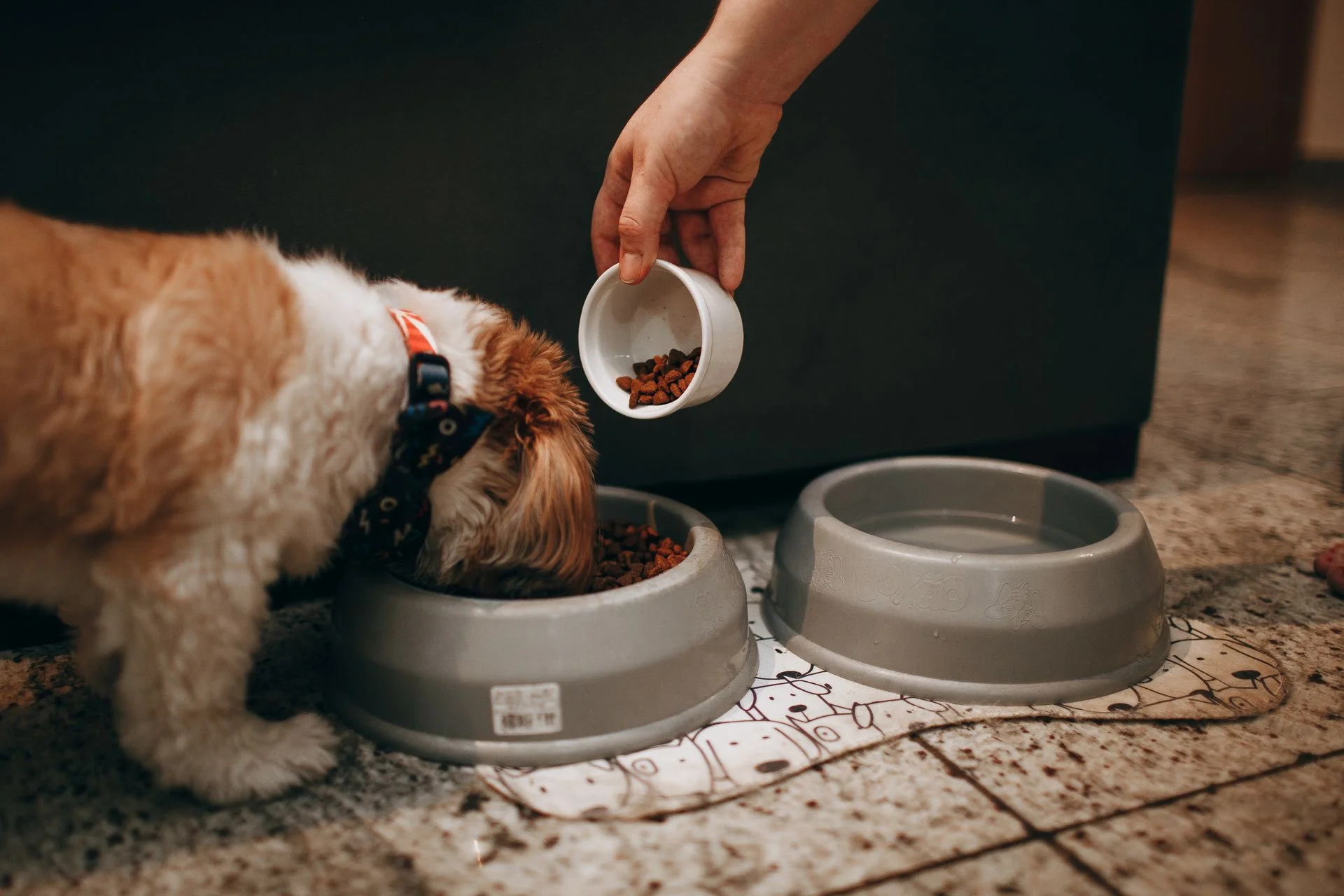
Getting ready for a first dog can turn into a much bigger shopping list than expected. Bed. Crate. Bowls. Leash. Food. Toys. Grooming supplies. Then there are all the little things that only seem important once the dog is actually home. There’s no need to buy half the pet store before day one, though. A few basics, a reasonably safe home and a plan for the first few days will
cover most of what matters.
Start with the Home
The first thing to figure out is where the dog will sleep and where it can go when it needs some peace. A washable bed in a quieter part of the house works well. If crate training is part of the plan, the crate should be large enough for the dog to stand, turn around and lie down comfortably, but not so large that it stops feeling like a defined resting space. Then comes the less exciting job: dog-proofing. Electrical cables should be tucked away. Cleaning products and medicines need to go behind closed doors. Small objects that could end up in a dog’s mouth shouldn’t be left on the floor. The same applies to food that may be unsafe
for dogs. Houseplants are another easy one to forget. The ASPCA’s plant database is useful for checking whether plants already in the home are safe around dogs. Baby gates can help too, especially when there are stairs, a kitchen that needs to stay off limits
or rooms that aren’t ready for the dog yet.
Keep the First Shopping Trip Simple
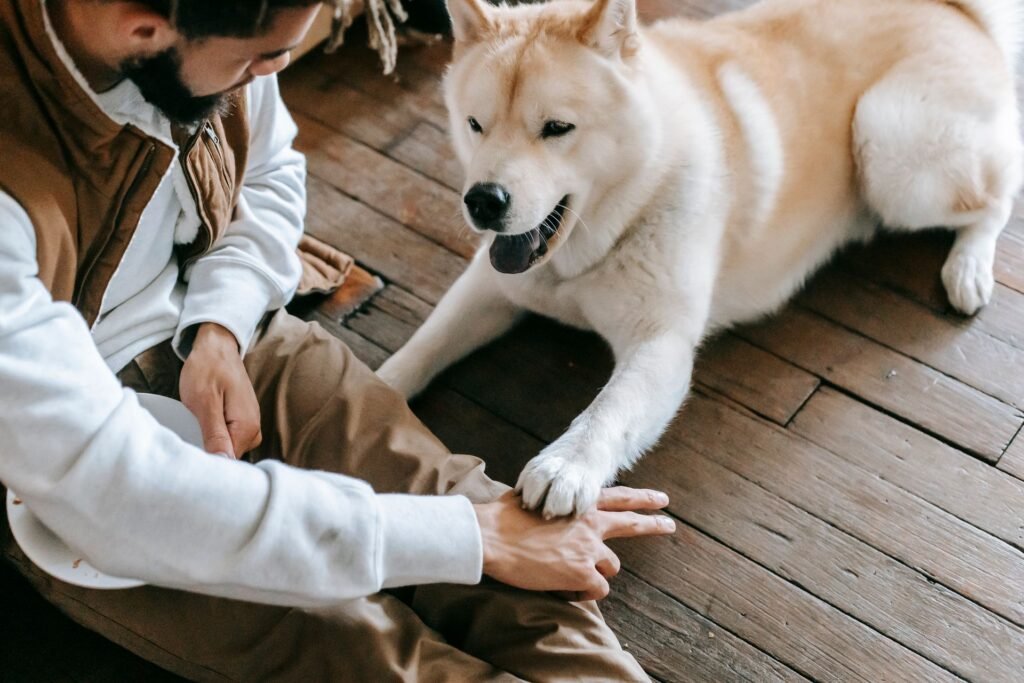
A first-time owner doesn’t need ten different toys or every new gadget on the market. The basics are fairly straightforward:
- A collar and identification tag
- A regular leash
- Food and water bowls
- A bed
- A suitable crate, if needed
- Waste bags
- Cleaning supplies
- A brush and basic grooming tools
- A couple of sturdy toys or chews
The ID tag is worth having even if the dog is microchipped. Phone numbers and addresses change, and an old tag becomes useless surprisingly quickly. The American Veterinary Medical Association also recommends having basics such as identification, a leash, food and water bowls ready and making sure the home is safe before the dog arrives.
Food Is One Thing Not to Guess
Food deserves a little more attention than the other shopping decisions. A puppy obviously doesn’t have the same nutritional needs as an older dog. Size, activity levels and existing health issues can matter too. So rather than choosing food because the packaging looks good or because another dog happens to eat it, check what’s actually appropriate for that particular
dog. There’s also no real benefit in changing food immediately just because a new bag has been purchased. If the dog has already been eating a particular food, keeping that food for the first few days can make the transition easier. A new diet can be introduced gradually afterwards if necessary. When comparing options, look at the nutritional information, ingredients, feeding guidance and the dog’s life stage. The market includes familiar retail brands as well as alternatives such as white label dog food, so the name on the front of the bag shouldn’t be the only thing being considered. Treats need a little thought as well. They are useful for training, but they still count toward the dog’s overall intake. Small treats are usually easier to manage, particularly when a new dog is getting rewarded several times a day.
Book the Vet Appointment
A first veterinary visit should be on the list before the dog comes home, or at least very soon afterwards. Bring whatever records are available, including vaccination information and previous medical history. The vet can check the dog’s general health and discuss vaccinations, parasite prevention, diet and other care based on its age and background. This is also a good time to ask the questions that tend to appear after bringing a dog home. How much exercise is enough? How often should the dog eat? When should vaccinations be repeated? What should happen if the dog refuses food? The AVMA recommends establishing
veterinary care and keeping health records as part of responsible dog ownership. Having the clinic’s number saved in the phone is a small thing, but it can be useful when something unexpected happens.
Expect a Few Messes
Even a well-prepared home is probably going to have an accident or two. Especially with puppies. Keep waste bags, paper towels and a proper enzymatic cleaner somewhere easy to reach. Washable blankets are useful too. There’s little point keeping the cleaning supplies buried at the back of a cupboard when there’s a good chance they will be needed quickly. Cleaning products themselves should be stored securely. The ASPCA warns that various household products can be harmful to pets if swallowed or mishandled, so keeping them behind closed doors is the safer option. The same rule applies to medicines, cosmetics, DIY
materials and anything else a curious dog might decide to investigate.
Don’t Overdo the Grooming Supplies
A brush, dog-safe shampoo and nail clippers are a reasonable starting point. Beyond that, it depends on the dog. A short-haired dog may need very little grooming. A long or thick coat can be a completely different situation and may need regular brushing or professional grooming. It’s better to see what the dog’s coat actually needs before buying a cupboard full of products.
Give the Dog Time
The first day doesn’t have to go perfectly. A new dog is dealing with a different home, different smells, unfamiliar people and possibly a completely different routine. That can be a lot. Regular meals, toilet breaks, sleep, short walks and some quiet time are usually more useful than trying to introduce everything at once. Having the basics ready simply means there’s less running around once the dog arrives. After that, the routine can develop naturally. Some things will turn out to be essential. Others will sit
unopened in a cupboard and never be used. That’s normal. The aim isn’t to have the perfect dog setup on day one. It’s to have a safe home, suitable food, basic supplies and enough time to let the new dog settle in.