
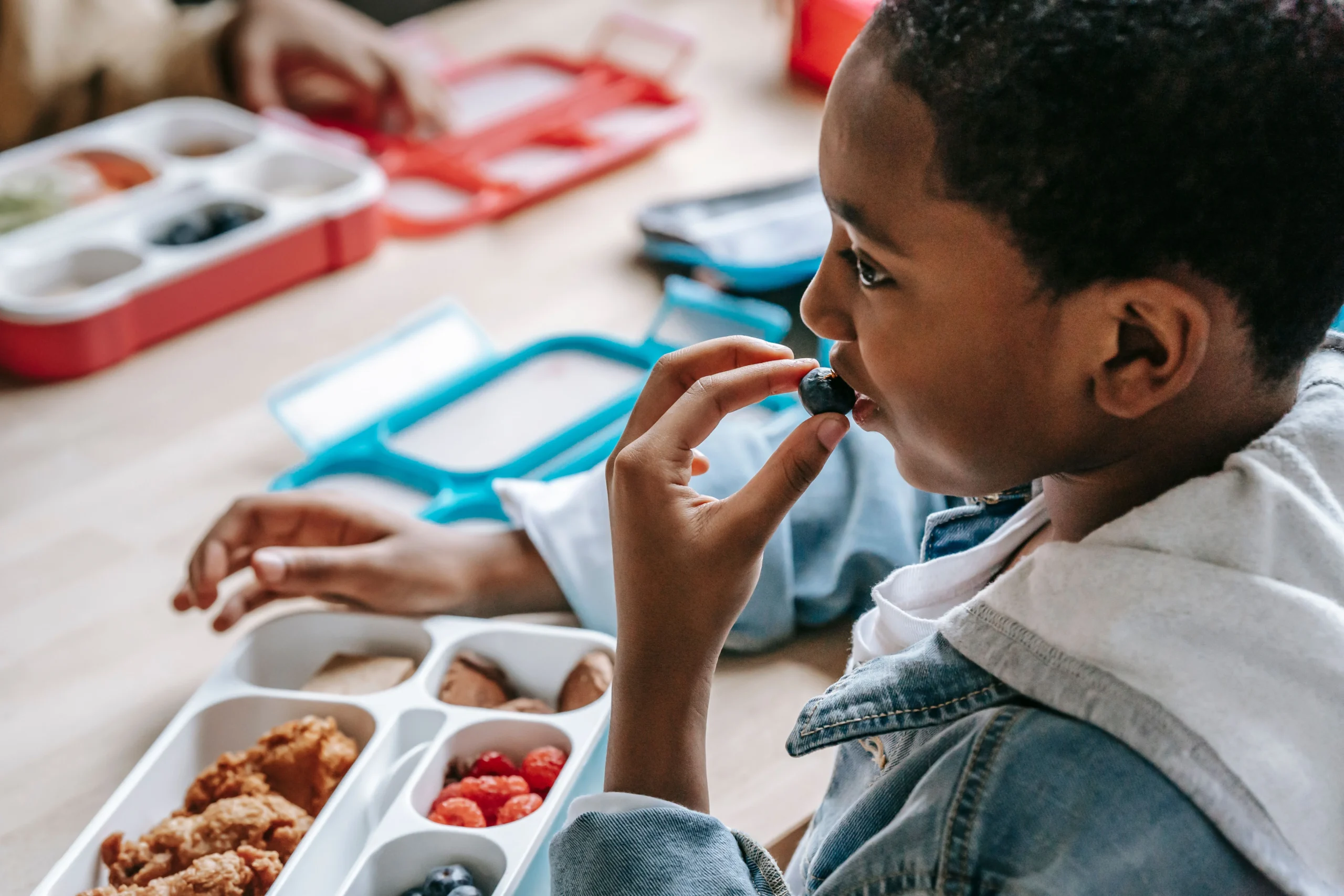
Some days, getting a young athlete to eat a proper meal is surprisingly difficult. There’s school.Then homework. Then training. Then the drive home. And suddenly it’s 8 pm and nobody really wants to cook. That doesn’t mean meals have to come from a packet or a takeaway every time.A few simple foods kept around the house can make things much easier. Oats, eggs, yoghurt,
fruit, rice, chicken, beans, bread and frozen vegetables can be turned into quite a few different meals without spending hours in the kitchen.For active kids, the main thing is getting enough food and enough variety. Carbohydrates are useful for energy, protein supports recovery, and fruit and vegetables fill in some of the vitamins, minerals and fibre.
Breakfast When There Isn’t Much Time
Breakfast is probably the easiest meal to skip. Especially when everyone is trying to get out of the house. Overnight oats are handy for exactly this reason. Put oats, milk or yoghurt, chia seeds, peanut butter and some berries into a container at night. Put it in the fridge. That’s breakfast sorted for the morning. Eggs and toast work too. Add a banana and there’s very little else needed. For kids who cannot eat a full breakfast early in the morning, a smoothie may be easier. Frozen fruit, milk, Greek yoghurt, and a spoonful of peanut butter can go straight into the blender. It takes a couple of minutes. The American Academy of Pediatrics also recommends getting most nutrition for young athletes from normal food rather than relying on sports supplements.

Lunch Doesn’t Need a Big Recipe
A lot of “healthy meal” ideas look great until it’s time to actually make them. Nobody needs that on a Tuesday afternoon. Rice bowls are much easier. Make some rice. Add chicken, beans or tofu. Throw in whatever vegetables are available. A little sauce or seasoning can change it up. And leftovers are completely fine. In fact, cooking extra chicken or rice at dinner can save a lot of time the next day. Wraps are another easy one. Turkey and cheese, chicken and salad, hummus and vegetables, egg and cheese – there are plenty of combinations. Whole-wheat bread or tortillas can be used when they are available, but there’s no need to turn lunch into a complicated nutrition project.
Keep Something Ready for the Hungry Part of the Day
The after-school gap can be tricky. A child gets home hungry, training starts soon, and there is no proper meal ready. That’s when snacks disappear very quickly. Keep a few things that can actually be grabbed and eaten. Apples with peanut butter. Yoghurt and berries. A banana. Cheese and crackers. A small handful of nuts with some dried fruit. For a young player training at a football development academy, having something ready before or after training can be especially useful when there’s a long gap between school and dinner. The snack doesn’t need to be labelled a “sports snack” either. A sandwich is still a sandwich. Yoghurt is still yoghurt. Food doesn’t become more nutritious because it comes in special packaging.
Dinner: Keep It Simple
One-pot meals are useful on busy evenings for a very obvious reason. There are fewer things to cook. And fewer dishes afterwards.
Pasta with tomato sauce, lean ground meat and frozen vegetables is an easy option. So is chicken, rice and vegetables. Make extra and tomorrow’s lunch is partly done too. Lentils and beans are worth using more often as well. They are affordable, filling and easy to add to rice, wraps, soups or curries. Frozen vegetables are another thing that often gets overlooked. They can sit in the freezer for weeks and go straight into a pan. No chopping board, no worrying about vegetables going bad in the fridge. That kind of convenience matters when meals are being prepared around training schedules.
After Training, Food First
There can be a tendency to make post-training nutrition sound much more complicated than it actually is. A young athlete finishes practice. They are hungry. Give them something to eat. A banana and yoghurt. Eggs on toast. A cheese sandwich. Milk and fruit. Or dinner, if dinner happens to be ready. Carbohydrates help replace energy used during exercise, while protein provides amino acids needed for normal muscle repair and growth. The American Academy of Pediatrics discusses
the importance of both in nutrition for young athletes. There’s also no need to make protein powder part of every child’s routine. Eggs, dairy, chicken, fish, beans, lentils and tofu can all contribute protein through ordinary meals.
Make Food Easy to Find
This is probably the most useful trick of all. Keep fruit where it can be seen. Keep yoghurt in the fridge. Have bread available. Cook some rice in advance. Boil a few eggs. Keep frozen vegetables around. Because when everyone is tired and hungry, the food that’s already there usually gets eaten. There will still be rushed breakfasts. There will be takeaway. There will be evenings when
dinner is a sandwich because there simply was not enough time. Young athletes don’t need a perfect meal every single day. They need enough food, enough fluids and a decent variety of everyday foods over time. Sometimes the best meal is the one that can be made quickly, eaten without an argument, and actually fits into the family’s day.