
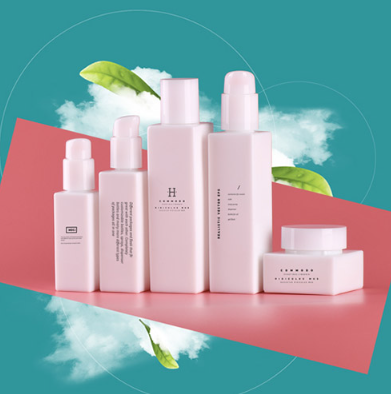
Packaging is often the first thing customers notice about a product. Before they read the label or learn about the formula inside, the bottle itself creates an impression about quality, brand identity, and value. For this reason, manufacturers pay close attention to bottle decoration techniques, particularly when choosing between hot stamping and screen printing.
Both methods can produce attractive and durable results, but they work in very different ways. The better option depends on the bottle material, design requirements, production volume, desired finish, and overall branding strategy.
What Is Hot Stamping?
Hot stamping is a decorative process that transfers a thin layer of foil onto the surface of a bottle using controlled heat and pressure. The foil can provide metallic, glossy, or specialty finishes that immediately attract attention.
Gold and silver are popular choices, but modern stamping materials are available in many colors and effects. This makes hot stamping particularly appealing for premium cosmetics, fragrances, personal-care products, and luxury packaging.
One of its biggest advantages is visual impact. Metallic lettering or decorative elements can catch light and create a sophisticated appearance that is difficult to achieve with conventional ink.
However, hot stamping is not always the most practical choice for every design. Very detailed artwork, large areas of coverage, or designs requiring multiple colors may require more careful consideration during production.
What Is Screen Printing?
Screen printing applies ink directly onto the bottle through a specially prepared mesh screen. The process allows manufacturers to create strong, opaque graphics with excellent visual clarity.
Unlike labels, the printed artwork becomes part of the bottle’s surface appearance, giving the package a clean and integrated look. This is one reason screen printing is widely used for bottles in cosmetics, beverages, pharmaceuticals, personal care, and other consumer products.
A major advantage of bottle screen printing is its flexibility. It can accommodate logos, text, illustrations, symbols, and other branding elements while maintaining a professional appearance across different bottle shapes and sizes.
Screen printing can also work particularly well when a brand wants bold colors and highly visible graphics rather than a predominantly metallic effect.
Hot Stamping vs. Screen Printing: Key Differences
The two processes differ in several important areas.
Appearance:
Hot stamping is generally chosen when a premium metallic or reflective finish is required. Screen printing, meanwhile, is better suited to colorful, solid, and highly visible graphics.
Design flexibility:
Screen printing can be advantageous for artwork containing multiple visual elements, while hot stamping is often most effective for logos, lettering, borders, and selected decorative details.
Durability:
Both methods can provide good durability when the correct materials and application parameters are used. The final result depends heavily on bottle material, surface preparation, ink or foil quality, curing, and production conditions.
Production requirements:
Hot stamping requires appropriate heating and pressure control, while screen printing requires screens, inks, printing equipment, and suitable curing processes. The right setup depends on the production environment and the desired output.
Brand positioning:
For luxury packaging, a metallic hot-stamped logo can communicate exclusivity. For brands that rely on colorful artwork or strong visual communication, screen printing may offer greater creative freedom.
Which Method Works Better on Different Bottles?
Bottle material plays an important role in selecting a decoration technique. Glass, PET, HDPE, and other plastics can have different surface characteristics, so the decoration process must be matched to the substrate.
The bottle’s curvature also matters. A design that looks simple on a flat surface can become considerably more challenging when applied around a narrow or heavily curved container.
Manufacturers should therefore evaluate the complete package rather than selecting a printing technique based only on appearance. Adhesion, surface treatment, curing, resistance to handling, and compatibility with filling and packaging processes should all be considered.
Can the Two Techniques Be Combined?
Absolutely. Hot stamping and screen printing do not necessarily have to compete with each other.
Some premium packages use screen printing for the main artwork and hot stamping for selected details such as a logo, product name, or decorative border. Combining the two techniques can create visual contrast and give packaging a more sophisticated appearance.
For example, a bottle may use a strong printed background with metallic gold lettering on top. The combination allows the brand to benefit from the flexibility of screen printing while adding the premium character associated with foil decoration.
Choosing the Right Bottle Decoration Process
The best choice ultimately depends on what the packaging needs to communicate.
If the primary goal is a luxurious metallic appearance, hot stamping may be the stronger option. If the design depends on vibrant colors, detailed graphics, or direct-to-bottle branding, screen printing can be more suitable.
Production volume should also influence the decision. At commercial scale, factors such as setup time, machine capabilities, material consumption, printing speed, rejection rates, and maintenance can significantly affect the overall cost of decoration.
Working with an experienced packaging technology provider can make this evaluation easier. A specialized company such as https://auromatik.com/ can help manufacturers consider the technical requirements of bottle decoration and identify equipment or solutions suited to their production needs.
Final Thoughts
Hot stamping and screen printing each offer distinct advantages, and neither technique is universally better. Hot stamping excels when brands want a striking metallic or premium finish, while screen printing provides considerable flexibility for bold graphics, colors, and direct bottle decoration.
The smartest approach is to evaluate the bottle material, artwork, desired appearance, production speed, durability requirements, and budget before making a decision. When these factors are considered together, manufacturers can select a decoration method that not only looks impressive on the shelf but also performs reliably throughout the product’s lifecycle.