
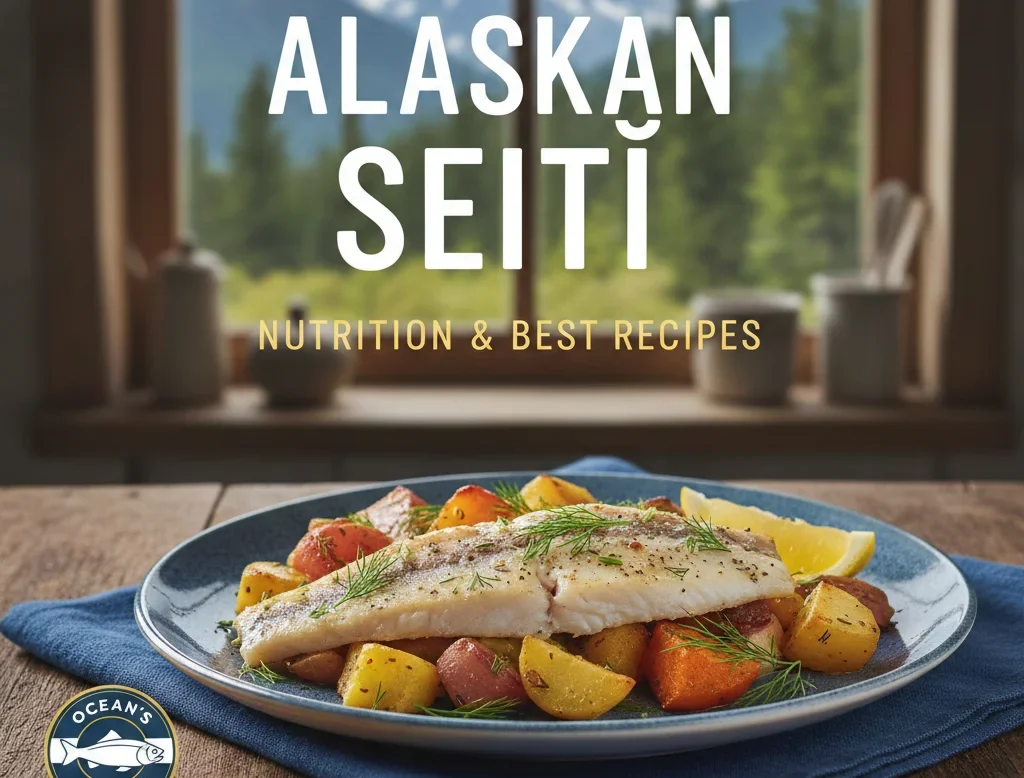
What Is Alaskan Seiti?
Alaskan seiti (Alaska pollock) is a cold-water whitefish harvested mainly from the Bering Sea and Gulf of Alaska. It’s closely related to cod but typically softer and milder in taste. You’ll often find it sold as:
Skinless, boneless fillets
Frozen blocks (for fish sticks and surimi)
Imitation crab (surimi)
Breaded fish portions
Its light texture makes it ideal for baking, frying, steaming, and even grilling with proper preparation.
Seiti Cooking Gallery
10 Ways to Master Alaskan Pollock
Quick & Easy
Ingredients
- 2 Pollock Fillets
- 2 tbsp Butter
- 2 Garlic Cloves
- Lemon Juice
- Salt & Pepper
Time: 10 Mins
Level: Easy
1. 10-Minute Garlic Butter Seiti
Ingredients
- Seiti Fillets
- Olive Oil
- Fresh Parsley/Dill
- Lemon Slices
2. Oven-Baked Lemon Herb Seiti
Traditional & Global
4. Classic Fish & Chips
Prepare a crisp beer batter. Deep fry fillets at 175°C until golden. Serve with malt vinegar and tartar sauce.
7. South Asian Coconut Curry
Simmer fillets in coconut milk, turmeric, and ginger for 8–10 minutes. Serve with warm naan.
8. Korean Spicy Stew
Use Gochujang and Napa cabbage for a bold, warming "Maeuntang" style soup.
9. Mediterranean Tray
Bake with cherry tomatoes, olives, and capers for a heart-healthy dinner.
Chef's Golden Rules
- Texture Control: Always pat the fish dry before searing to get that golden crust.
- Temperature: Remove from heat at an internal temperature of 63°C (145°F).
- Seasoning: Because Seiti is mild, don't be afraid to use bold spices like paprika, cumin, or chili.
Nutrition Facts (Per 100g Cooked Fillet)
Alaskan seiti is lean and protein-rich, making it popular for healthy diets.
Health Benefits
- Heart Health: Rich in omega-3 fatty acids.
- Weight Management: Low calorie, high protein.
- Brain Function: High in B vitamins and Selenium.
- Safe Choice: Naturally low mercury levels.
Sustainability & Environmental Impact
Alaska pollock is one of the most sustainably managed fisheries globally due to strict U.S. regulations and science-based catch limits.
💡 Look for the Marine Stewardship Council (MSC) blue label.
Best Cooking Methods
Taste & Texture Comparison
| Fish Type | Flavor | Texture | Price |
|---|---|---|---|
| Alaska Pollock | Mild | Soft, flaky | Affordable |
| Cod | Mild | Firmer | Moderate |
| Tilapia | Very mild | Soft | Affordable |
Buying & Storage Tips
Choose firm, white flesh with no strong odor. Store fresh fish in the fridge for up to 2 days or freeze for up to 6 months. Always thaw slowly in the refrigerator for the best texture.
Where It Comes From (Geography & Species)
While often compared to cod, the Alaska Pollock is a distinct species. It was historically classified as Theragra chalcogramma before genetic testing placed it firmly within the Gadus (true cod) genus.
Geographic Distribution
Native to the icy North Pacific, these fish are harvested from three primary sustainable zones:
Bering Sea
The world’s most productive pollock fishery, located between Alaska and Russia.Gulf of Alaska
A key zone managed under strict U.S. federal sustainability regulations.Sea of Okhotsk
The primary harvesting region on the Russian side of the North Pacific.Deep Dwellers
Pollock thrive at depths of 30–500 meters in massive schools.Natural Habitat & Lifestyle
Lifecycle & Growth
Alaska Pollock are relatively fast-growing, which helps their populations remain resilient:
- 🐟 Lifespan: Typically 10–15 years.
- 📈 Maturity: Ready to spawn at 3–4 years of age.
- 🥚 Reproduction: Females produce hundreds of thousands of eggs per cycle in the late winter.
"The schooling nature of Seiti makes it efficient to harvest with low bycatch, but requires constant scientific monitoring to ensure the ecosystem stays balanced."
Why "Seiti" is Called Alaska Pollock
Depending on where you are in the world, you might find this fish labeled under different names. "Seiti" and "Alaska Pollock" are biologically identical.
1. Regional Names
| Finland | Seiti |
| Germany | Alaska-Seelachs (Sea Salmon) |
| USA & Canada | Alaska Pollock |
| UK | Pollock |
2. Why "Alaska"?
The name emphasizes the pristine origin. Most of the world's supply comes from the Bering Sea and Gulf of Alaska, regions known for cold, clean waters and world-class fishery management.
3. Related to Cod, but Unique
4. Where You'll Find It
Because of its mild taste and ability to hold seasonings, it has become one of the most consumed whitefish globally, featured in:
Popular fish sandwiches
Imitation crab meat
Fish sticks & fillets
Pro Tip: Branding this fish as "Alaska" pollock in the 1980s helped differentiate it from lower-quality whitefish and solidified its reputation as a premium, wild-caught staple.
Alaska Pollock Nutrition
Nutrient Density & Bioavailability
A lean, high-protein species characterized by its low saturated fat profile and significant concentrations of essential micronutrients.
| Micronutrient | Concentration | % Daily Value | Physiological Function |
|---|---|---|---|
| Vitamin B12 | 1.5 µg | 60% | Neurological maintenance |
| Selenium | 40 µg | 70% | Thyroid & Immune Support |
| Phosphorus | 200 mg | 20% | Skeletal System Integrity |
Cardiovascular Impact
The high EPA and DHA content supports triglyceride management and overall vascular health.Cognitive Support
Naturally occurring DHA serves as a structural fatty acid in brain tissue, supporting long-term memory.Metabolic Support
With zero carbohydrates and high protein, it supports lean muscle mass and insulin sensitivity.Mercury & Purity Status
The FDA and EPA classify this species as a "Best Choice" for all demographics, including pregnant women and children, due to its minimal mercury accumulation in North Pacific waters.
Mastering Alaskan Seiti
Techniques to Avoid Chewiness
Alaskan Pollock is exceptionally lean. To maintain its delicate, flaky texture, moisture management is essential.
Bake: 12–15 min at 180°C.
Internal Target: 63°C (145°F).
Flavor Profile & Pairings
Due to its mild profile, Seiti acts as a canvas for global ingredients.
Global Seasoning Guide
| Region | Key Ingredients |
|---|---|
| Mediterranean | Olive Oil, Oregano, Capers, Garlic, Cherry Tomatoes |
| South Asian | Coconut Milk, Turmeric, Cumin, Ginger, Fresh Chili |
| Korean | Gochujang, Soy Sauce, Sesame Oil, Garlic |
| Mexican | Smoked Paprika, Lime, Cilantro, Chili Powder |
Side Dish Recommendations
| Meal Style | Best Accompaniments |
|---|---|
| HEALTHY | Steamed Broccoli, Quinoa, Fresh Garden Salad |
| COMFORT | Mashed Potatoes, Classic Fries, Tartar Sauce |
| ASIAN | Jasmine Rice, Stir-Fried Greens, Sesame Bok Choy |
| EUROPEAN | Couscous, Roasted Root Vegetables, Creamy Dill Sauce |
Culinary Note: Seiti is a wild-caught resource. Respect the ingredient by cooking it precisely.
Frequently Asked Questions
1. What is Alaskan Seiti?
Alaskan Seiti, also known as Alaska pollock (Gadus chalcogrammus), is a mild-flavored, lean whitefish from the North Pacific Ocean. It is primarily harvested in the Bering Sea and Gulf of Alaska and is a popular choice for fillets, fish sticks, and surimi products.
2. Is Alaskan Seiti healthy to eat?
Yes. It is low in fat, high in protein, and rich in vitamins like B12 and minerals like selenium. It contains essential omega-3 fatty acids for heart and brain health. Its low mercury levels make it safe for regular consumption by children and pregnant women.
3. How should I cook it to avoid chewiness?
The key is moderate heat and short cooking times. Overcooking is the primary cause of rubbery fish:
- Pan-fry: 3–4 minutes per side.
- Bake: 12–15 minutes at 180°C (350°F).
- Stews/Curries: Add fish during the last 5–10 minutes.
Always pat the fish dry before cooking and avoid overhandling.
4. Can I substitute Seiti for cod or haddock?
Yes. Alaska pollock is a milder, softer alternative. It works perfectly in fish & chips, tacos, and stews. Because its flavor is neutral, it absorbs seasonings and marinades exceptionally well.
5. Is Alaskan Seiti a sustainable choice?
Yes. U.S. and Russian fisheries manage pollock under strict quotas with minimal habitat impact. To ensure you are buying responsibly, look for labels such as “Wild Alaska Pollock” or MSC-certified logos.