
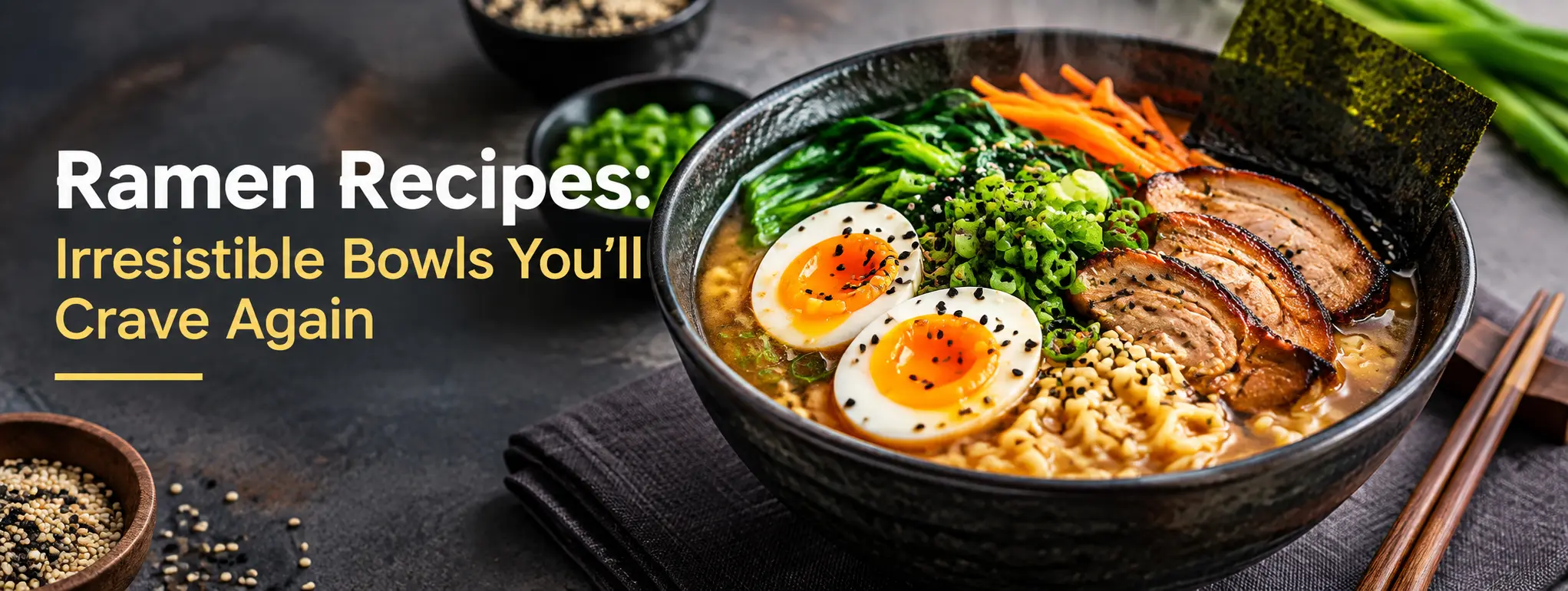
When you want a meal that is comforting, flavorful, and easy to customize, ramen recipes are an excellent choice. From quick weeknight bowls made with instant noodles to rich broth-based ramen topped with eggs, vegetables, chicken, or beef, there are countless ways to create a satisfying bowl at home. The key is balancing the broth, noodles, protein, vegetables, and toppings so every bite has plenty of flavor.
These homemade ramen ideas are designed to be practical rather than complicated. Most use ingredients that are easy to find, while simple additions such as garlic, ginger, soy sauce, sesame oil, and chili can make an ordinary bowl taste much more developed.
Popular Ramen Recipes
1. Classic Chicken Ramen
Chicken ramen is a simple starting point for homemade ramen. Begin by simmering chicken broth with minced garlic, grated ginger, soy sauce, and a small amount of sesame oil. Add ramen noodles and cook according to the package directions.
Thinly sliced cooked chicken can be added near the end so it warms without becoming dry. Finish the bowl with sliced green onions, soft-boiled egg, and shredded carrots.
For deeper flavor, add a teaspoon of miso paste to the broth. The combination of savory broth, tender chicken, noodles, and fresh toppings makes this one of the most versatile ramen recipes for lunch or dinner.
2. Spicy Garlic Ramen
Spicy garlic ramen is ideal for anyone who enjoys bold flavors. Heat a little sesame oil and gently cook minced garlic until fragrant. Add chicken or vegetable broth, soy sauce, chili paste, and a small amount of rice vinegar.
Cook the noodles separately or directly in the broth, depending on the type of noodles being used. Top the finished ramen with sliced green onions, chili flakes, sesame seeds, and a soft-boiled egg.
You can control the heat by adjusting the amount of chili paste. Adding a little brown sugar can also balance the spice with subtle sweetness.
3. Creamy Miso Ramen
Creamy miso ramen creates a rich bowl without requiring complicated preparation. Combine broth with white or yellow miso paste, soy sauce, garlic, and ginger. Stir in a small amount of milk, coconut milk, or unsweetened soy milk for a creamy texture.
Add ramen noodles and cook until tender. Mushrooms, corn, spinach, and sliced green onions work particularly well with this broth.
For additional richness, finish the bowl with a few drops of sesame oil. Avoid boiling the miso aggressively after adding it, as gentle heating helps preserve its flavor.
4. Vegetable Ramen
Vegetable ramen is a colorful option that can be made with either vegetable broth or a light mushroom-based stock. Popular additions include mushrooms, bok choy, spinach, carrots, corn, cabbage, and green onions.
Start by sautéing garlic and ginger before adding the broth. Add harder vegetables such as carrots and mushrooms first, followed by leafy greens closer to the end.
Cook the noodles separately if you want a clearer broth. Add them to the serving bowl and pour the hot vegetable broth over them. Sesame seeds, nori strips, and chili oil make excellent finishing touches.
5. Beef Ramen
Beef ramen delivers a hearty, savory flavor and works particularly well with thinly sliced beef. Prepare a broth using beef stock, soy sauce, garlic, ginger, and a little sesame oil.
Sear thin slices of beef quickly in a hot pan, then set them aside. Cook the ramen noodles and arrange them in a bowl with the beef, mushrooms, green onions, and a soft-boiled egg.
For extra depth, add a small amount of miso or chili paste to the broth. Thinly sliced steak, ground beef, or leftover roast beef can all work depending on what you have available.
Recipe Overview
| Recipe/Dish | Main Ingredients | Preparation Time | Cooking Time |
|---|---|---|---|
| Classic Chicken Ramen | Chicken, ramen noodles, broth, garlic, ginger | 10 minutes | 15 minutes |
| Spicy Garlic Ramen | Ramen, broth, garlic, chili paste, soy sauce | 10 minutes | 10 minutes |
| Creamy Miso Ramen | Miso, noodles, broth, mushrooms, milk | 10 minutes | 15 minutes |
| Vegetable Ramen | Mixed vegetables, noodles, vegetable broth | 15 minutes | 15 minutes |
| Beef Ramen | Beef, ramen noodles, beef broth, mushrooms | 15 minutes | 15 minutes |
Ingredients and Preparation Tips
Choosing the Right Ingredients
The broth is the foundation of good ramen. Chicken, beef, vegetable, mushroom, and miso-based broths can all create different flavor profiles. Low-sodium broth is useful because soy sauce and miso already contain significant salt.
For noodles, fresh ramen noodles provide a soft, springy texture, while dried ramen noodles are convenient and quick. Instant noodles can also be upgraded with homemade broth and fresh toppings.
Common toppings include boiled eggs, green onions, mushrooms, corn, spinach, bok choy, nori, sesame seeds, chili oil, and sliced meat.
Easy Preparation Tips
Prepare toppings before cooking the noodles because ramen comes together quickly. Soft-boiled eggs can be cooked in advance and refrigerated until needed.
When using miso, dissolve it in a little warm broth before adding it to the pot. This prevents lumps and distributes the flavor evenly. Likewise, garlic and ginger should be cooked gently rather than burned, since scorched aromatics can make the broth bitter.
Recipe Details
| Recipe/Dish | Key Ingredients | Serving Size | Best For |
|---|---|---|---|
| Classic Chicken Ramen | Chicken, egg, ginger, soy sauce | 2 bowls | Family dinners |
| Spicy Garlic Ramen | Garlic, chili paste, sesame oil | 2 bowls | Spicy-food lovers |
| Creamy Miso Ramen | Miso, mushrooms, milk, spinach | 2 bowls | Rich comfort meals |
| Vegetable Ramen | Bok choy, carrots, mushrooms, corn | 2 bowls | Meat-free meals |
| Beef Ramen | Beef, mushrooms, egg, beef broth | 2 bowls | Hearty dinners |
Tips for Making Better Ramen Recipes
- Build flavor gradually: Cook garlic and ginger gently before adding the broth.
- Taste before seasoning: Soy sauce, miso, and chili paste can vary significantly in saltiness.
- Avoid overcooking noodles: Ramen noodles continue softening in the hot broth after cooking.
- Use contrasting toppings: Combine soft eggs and noodles with crisp vegetables or fresh green onions.
- Finish with aroma: Sesame oil, chili oil, toasted sesame seeds, or nori can add a final layer of flavor.
Serving and Storage Ideas
Ramen is best served immediately while the noodles are firm and the broth is steaming hot. Arrange the noodles first, then add protein and vegetables before pouring in the broth. Place toppings neatly on top for an attractive presentation.
If you need to prepare ramen ahead of time, store the broth, noodles, protein, and vegetables separately. Refrigerated broth can generally be reheated thoroughly, while noodles are better cooked fresh. Keeping them separate prevents the noodles from absorbing too much liquid and becoming mushy.
For meal preparation, make a larger batch of broth and store individual portions. Fresh toppings can then be added whenever you are ready to assemble a bowl.
Frequently Asked Questions
Can I make ramen without meat?
Yes. Vegetable, mushroom, tofu, corn, spinach, and miso are excellent ingredients for flavorful meat-free ramen.
What makes ramen broth taste better?
Garlic, ginger, soy sauce, miso, mushrooms, sesame oil, and chili can add depth to a simple broth.
Can I use instant noodles for homemade ramen?
Yes. Instant noodles can be upgraded with homemade broth, vegetables, eggs, meat, herbs, and flavorful toppings.
How do I keep ramen noodles from getting soggy?
Cook the noodles only until just tender and serve them immediately. For meal prep, store noodles separately from the broth.
What toppings go well with ramen?
Soft-boiled eggs, green onions, mushrooms, corn, bok choy, nori, sesame seeds, chili oil, chicken, beef, and tofu are popular choices.
Final Thoughts
The best ramen recipes are flexible enough to match different tastes and ingredients. A simple broth can become a satisfying meal with the addition of tender noodles, protein, vegetables, and flavorful toppings. Whether you prefer spicy garlic ramen, creamy miso ramen, chicken ramen, vegetable ramen, or a hearty beef bowl, small ingredient changes can create an entirely different experience.
Start with a flavorful broth, avoid overcooking the noodles, and finish your bowl with fresh toppings. Once you understand these basics, homemade ramen becomes an easy and adaptable meal for almost any day of the week.