
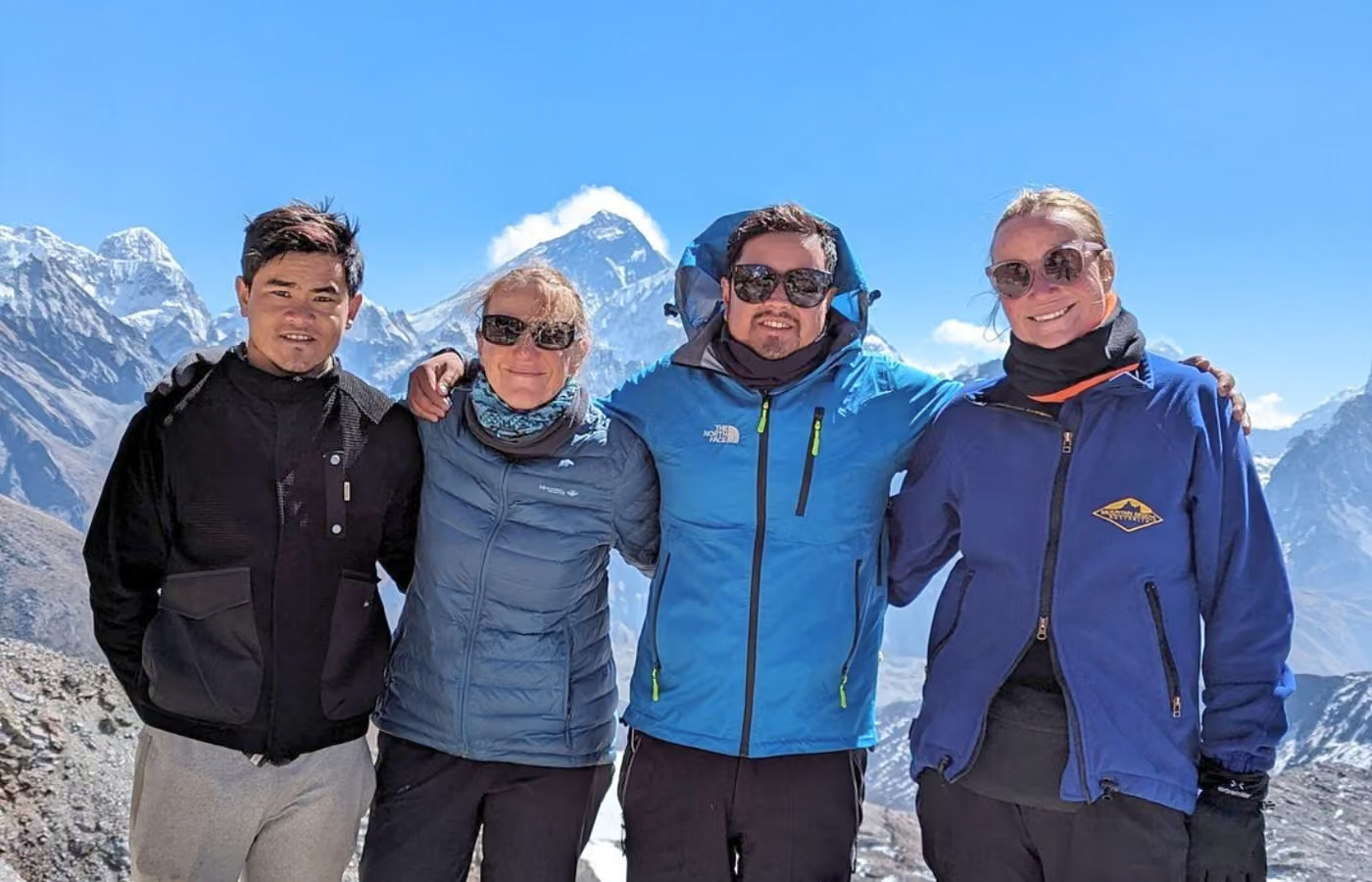
Nepal is a destination that has long attracted travelers who dream of standing among the world’s highest mountains. While the classic Everest Base Camp trek is perhaps the most famous Himalayan adventure, there is another route that offers a more challenging and immersive experience: the Everest Three High Passes Trek in Nepal This demanding journey takes trekkers beyond the usual trails and across three spectacular mountain passes while exploring remote valleys, traditional Sherpa villages, ancient monasteries, and breathtaking Himalayan landscapes.
For experienced trekkers and adventure seekers, this trek is not simply about reaching a particular destination. It is about experiencing the mountains from different perspectives, testing personal limits, and discovering the quieter side of the Everest region.
What Makes the Everest Three High Passes Trek Special?
The Everest region is famous for iconic peaks such as Mount Everest, Lhotse, Nuptse, Ama Dablam, Cho Oyu, and Makalu. However, the Three High Passes route allows travelers to experience much more than views of these mountains from a single valley.
The trek generally crosses three major passes: Renjo La, Cho La, and Kongma La. Each pass has its own character, scenery, and challenges. Crossing them requires physical preparation, patience, and a good understanding of high-altitude trekking.
Unlike a straightforward trekking route, the Three High Passes journey follows a circuit through several parts of the Khumbu region. Trekkers can experience the landscapes around Namche Bazaar, Thame, Gokyo, Everest Base Camp, and the Imja Valley, depending on the itinerary.
The changing scenery is one of the biggest attractions. One day you may be walking beside a turquoise alpine lake, while the next you could be crossing a rocky mountain pass surrounded by glaciers and snow-covered peaks.
The Three High Passes
The name of the trek comes from its three major mountain passes. Although conditions can vary depending on the season, each pass offers an unforgettable experience.
Renjo La Pass
Renjo La is often considered one of the most scenic sections of the trek. The trail climbs above the Gokyo and Thame valleys, and reaching the pass provides spectacular views of several Himalayan giants.
The ascent can be challenging, especially as the increasing altitude makes the climb more demanding. However, the sense of achievement at the top makes the effort worthwhile. On a clear day, trekkers can enjoy panoramic mountain scenery stretching across the Everest region.
The landscape around the pass feels remote and peaceful, offering a strong contrast to the busier trails closer to Everest Base Camp.
Cho La Pass
Cho La is another major highlight of the route. This pass connects the Gokyo Valley with the Everest Base Camp region and is known for its rugged terrain and high-altitude environment.
Depending on the season and current trail conditions, trekkers may encounter snow and icy sections while crossing Cho La. Good footwear, appropriate clothing, and careful guidance are especially important here.
The surrounding landscape includes dramatic mountains, glaciers, and rocky slopes. The crossing can be challenging, but it is also one of the most memorable parts of the entire journey.
Kongma La Pass
Kongma La is generally regarded as one of the toughest sections of the Three High Passes trek. The route involves steep climbs and high-altitude terrain, making acclimatization particularly important.
From the pass, trekkers can enjoy incredible views toward peaks such as Nuptse, Lhotse, and Makalu. The landscape has a wild and powerful character, reminding visitors just how remote and immense the Himalayas can be.
Successfully crossing Kongma La can be a defining moment of the trek. It is the kind of experience that stays with you long after returning home.
Acclimatization Is Essential
One of the most important aspects of the Everest Three High Passes Trek in Nepal is proper acclimatization. The route reaches significant elevations, and the body needs time to adjust to the decreasing oxygen levels.
Trying to rush through the trek can increase the risk of altitude-related problems. A well-planned itinerary normally includes acclimatization days and gradual elevation gains.
Namche Bazaar is an important acclimatization point for many itineraries. This lively mountain town is not only a useful place to rest but also an interesting destination in its own right. Trekkers can explore the local market, enjoy mountain views, and learn more about the Sherpa culture.
Listening to your body is essential at high altitude. Headaches, unusual tiredness, dizziness, nausea, or difficulty sleeping should not simply be ignored. A responsible trekker should communicate symptoms to the guide and follow appropriate safety advice.
Exploring Sherpa Culture
The mountains are only part of what makes this trek special. The Everest region is also home to the Sherpa people, whose culture and traditions are deeply connected to the Himalayas.
Along the trail, trekkers pass through traditional villages where stone houses, prayer wheels, mani walls, and Buddhist monasteries create a distinctive atmosphere. Local people have lived and worked in these challenging mountain environments for generations.
Namche Bazaar, Tengboche, Thame, and other settlements offer opportunities to learn about local lifestyles and traditions. Visitors may also encounter colorful prayer flags moving in the mountain wind and hear monks chanting inside monasteries.
For many trekkers, these cultural encounters are just as meaningful as the mountain views.
The Importance of Physical Preparation
The Three High Passes route is not normally recommended as a first-ever hiking experience. Trekkers should be prepared for long walking days, steep ascents, descents, uneven terrain, and high-altitude conditions.
Preparation does not necessarily mean becoming an elite athlete. Regular cardiovascular exercise, hiking, stair climbing, strength training, and longer weekend walks can help build the necessary endurance.
It is also useful to practice walking with a backpack before the trek. Even a well-organized trip can involve carrying personal essentials throughout the day, so becoming comfortable with your equipment is important.
Mental preparation matters too. Weather can change quickly in the mountains, and some days may feel much harder than expected. Patience and a positive attitude can make a significant difference.
Best Time to Trek
The main trekking seasons in Nepal are generally spring and autumn. Spring, particularly from March to May, offers relatively stable conditions and beautiful mountain scenery. Autumn, especially from September to November, is another popular period because of generally clear skies and favorable trekking conditions.
Winter can bring heavy snow and more difficult conditions at the high passes, while the monsoon season can bring rain, clouds, and slippery trails in lower areas.
However, mountain weather is never completely predictable. Conditions can change even during the preferred trekking seasons, so trekkers should always check current conditions and follow advice from experienced local guides.
What to Pack
Packing correctly can make the trek significantly more comfortable. Essential equipment usually includes warm and layered clothing, a waterproof jacket, trekking boots, gloves, a hat, sunglasses, sunscreen, a sleeping bag suitable for cold conditions, a water bottle or hydration system, and basic personal medications.
A headlamp is also useful, particularly during early morning starts or in areas where electricity may be limited.
It is important not to overpack. Carrying unnecessary weight over high mountain passes can make already difficult walking days much harder. Focus on practical equipment that you will genuinely use.
Responsible Trekking in the Everest Region
The popularity of Himalayan trekking means that visitors also have a responsibility to protect the environment and respect local communities.
Trekkers should avoid leaving waste on the trail, use designated facilities whenever possible, and minimize unnecessary plastic consumption. Respecting local customs is equally important. Ask before photographing people, monasteries, or religious ceremonies, and follow local rules when visiting cultural sites.
Supporting local tea houses, guides, porters, and small businesses can also help ensure that tourism benefits the communities that make the region so special.
Is the Three High Passes Trek Worth It?
For travelers who are physically prepared and looking for a serious Himalayan adventure, the answer is often yes.
The Everest Three High Passes Trek combines many of the experiences that make trekking in Nepal so rewarding: dramatic mountain views, challenging high-altitude passes, peaceful valleys, traditional villages, Buddhist culture, glaciers, alpine lakes, and unforgettable moments on the trail.
It is certainly more demanding than many popular trekking routes in the Everest region. There will be difficult climbs, tiring days, and moments when the altitude makes every step feel slower. But those challenges are also what make the achievement meaningful.
Standing on a high mountain pass after hours of climbing and seeing the enormous Himalayan peaks surrounding you is difficult to describe. It is an experience that goes beyond taking photographs or checking a destination off a travel list.
Final Thoughts
The Everest Three High Passes Trek in Nepal is an adventure for those who want to experience the Himalayas from a deeper and more challenging perspective. From the colorful streets of Namche Bazaar to the remote valleys and high passes of the Khumbu region, every stage of the journey offers something different.
The trek demands preparation, patience, and respect for the mountains. In return, it provides extraordinary scenery, cultural experiences, personal challenges, and memories that can last a lifetime.
For anyone considering a high-altitude adventure in Nepal, the Three High Passes route deserves serious consideration. It is not the easiest way to explore the Everest region, but for many trekkers, that is precisely what makes it so rewarding.