
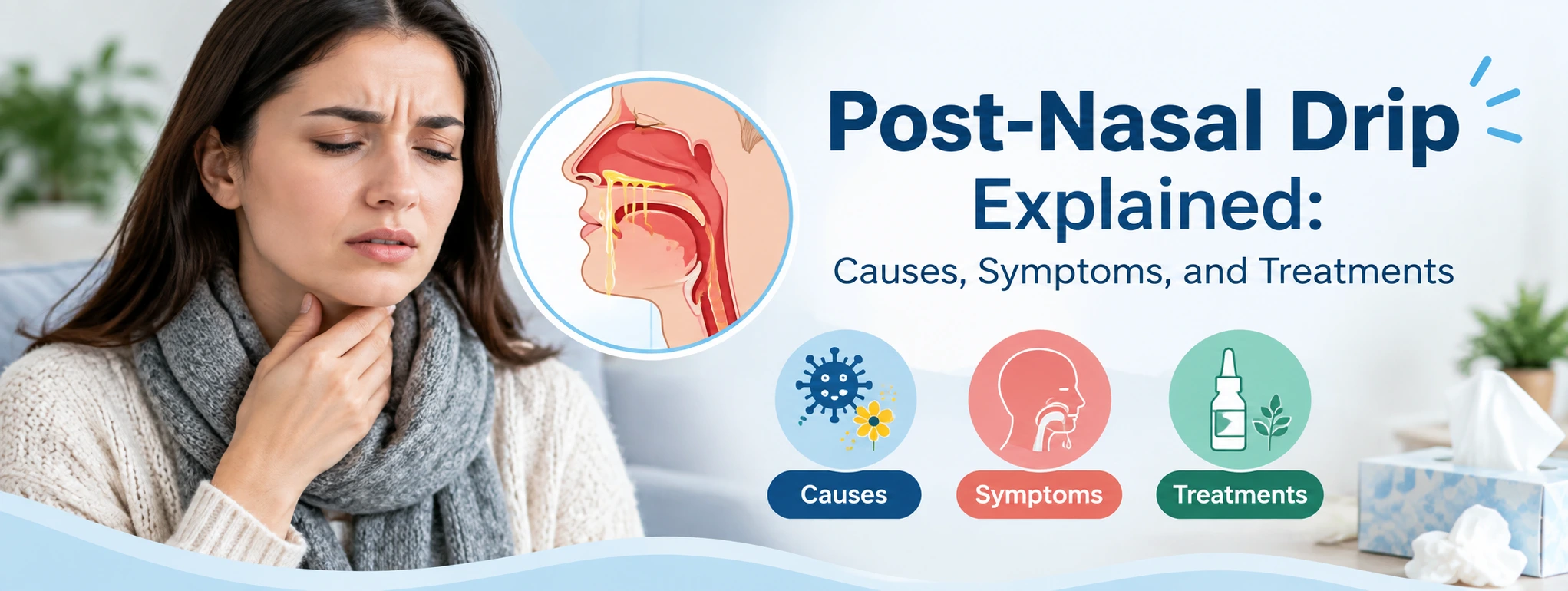
Post-Nasal Drip is a common condition in which mucus from the nose and sinuses moves down the back of the throat instead of leaving through the nose. While mucus production is a normal part of the body’s natural defense system, excessive, thick, or abnormal mucus can become uncomfortable and irritating. It may create a constant sensation of something running down the throat, trigger coughing, or cause frequent throat clearing.
Post-Nasal Drip can develop for many different reasons, including allergies, colds, sinus problems, changes in weather, irritants, and certain medications. Understanding the underlying cause is important because the most effective treatment depends on what is producing the excess mucus.
Although Post-Nasal Drip is usually not dangerous, persistent symptoms can interfere with sleep, concentration, eating, and everyday comfort. Fortunately, several practical treatments and lifestyle measures can help reduce the irritation and restore normal nasal drainage.
Common Causes of Post-Nasal Drip
The nose and sinuses continuously produce mucus to trap dust, microorganisms, allergens, and other particles. Normally, this mucus is swallowed without notice. Problems arise when mucus becomes excessive, unusually thick, or difficult to drain.
Allergies
Seasonal and year-round allergies are among the most frequent causes of Post-Nasal Drip. Exposure to pollen, dust mites, mold, pet dander, or other allergens can cause inflammation inside the nasal passages.
The body may respond by producing additional mucus. This mucus can then move toward the throat, producing congestion, sneezing, itching, and repeated throat clearing.
Colds and Respiratory Infections
A common cold can temporarily increase mucus production. During an infection, mucus may become thicker and change in color as the body’s immune system responds.
Post-Nasal Drip can remain noticeable even after other cold symptoms begin to improve because nasal inflammation may take longer to settle.
Sinus Problems
Sinus inflammation can interfere with normal mucus drainage. Acute sinus infections may develop after a cold, while chronic sinus inflammation can cause symptoms that continue for weeks or longer.
Blocked sinus openings can make mucus accumulate and eventually drain toward the throat.
Dry Air and Weather Changes
Cold weather, dry indoor air, and sudden environmental changes can irritate the nasal lining. In response, the nose may produce more mucus or make existing mucus thicker.
Heating systems and air conditioning can also reduce indoor humidity, potentially making throat irritation more noticeable.
Environmental Irritants
Smoke, strong fragrances, air pollution, cleaning chemicals, and other airborne irritants can trigger nasal inflammation. People who are sensitive to these substances may experience increased mucus and throat irritation without having an infection.
Certain Medications and Hormonal Changes
Some medications may contribute to nasal congestion or changes in mucus production. Hormonal changes can also influence nasal tissues and lead to congestion or increased drainage.
If symptoms begin after starting a medication, discussing the issue with a healthcare professional can help determine whether the medicine may be contributing.
Symptoms of Post-Nasal Drip
Post-Nasal Drip does not feel exactly the same for everyone. Some people mainly notice mucus in the throat, while others experience coughing, congestion, or an irritated voice.
Common symptoms include:
- A sensation of mucus moving down the back of the throat
- Frequent throat clearing or coughing
- A sore, scratchy, or irritated throat
- Nasal congestion or a runny nose
- Hoarseness or changes in the voice
The symptoms may become more noticeable when lying down because mucus can collect toward the back of the throat. Some people therefore experience more coughing at night or shortly after waking.
How Post-Nasal Drip Affects the Throat
The throat is sensitive to repeated irritation. When mucus continuously contacts the tissues at the back of the throat, it can create a persistent urge to cough or clear the throat.
Unfortunately, repeated throat clearing can sometimes make irritation worse. Forceful clearing creates additional friction and may produce a cycle of irritation, coughing, and more throat clearing.
Some people may also notice an unpleasant taste or bad breath, particularly when nasal congestion or sinus inflammation is present.
Why Nighttime Symptoms Can Be Worse
Post-Nasal Drip may become more uncomfortable at night because lying flat changes how mucus moves through the upper airway. Nasal congestion may also feel stronger when a person is lying down.
Elevating the head slightly during sleep may help some people breathe more comfortably and reduce the sensation of drainage.
Diagnosing the Underlying Cause
Post-Nasal Drip itself is generally a symptom rather than a single disease. Identifying the underlying trigger is therefore an important part of managing it.
A healthcare professional may ask about the duration of symptoms, allergies, recent infections, environmental exposure, medications, and associated symptoms.
Depending on the situation, an examination of the nose and throat may be enough. Persistent or complicated symptoms may require additional evaluation, particularly when sinus disease, structural nasal problems, or another condition is suspected.
Effective Treatments for Post-Nasal Drip
Treatment depends largely on the cause. Managing the underlying problem can reduce mucus production and improve drainage.
| Cause or Trigger | Common Management Approach |
|---|---|
| Allergies | Avoid triggers, saline rinses, and appropriate allergy medicines |
| Common cold | Fluids, rest, humidified air, and symptom relief |
| Sinus inflammation | Saline irrigation and treatment recommended for the underlying condition |
| Dry air | Humidifier and adequate hydration |
| Environmental irritants | Reduce exposure to smoke, fragrances, and pollutants |
| Medication-related symptoms | Discuss possible medication effects with a healthcare professional |
Saline Nasal Rinses
Saline nasal irrigation can help wash away mucus, allergens, dust, and other irritants from the nasal passages. It may also loosen thick mucus and support more comfortable drainage.
When using a nasal rinse, it is important to use properly prepared water and clean equipment according to the product’s instructions. Improperly prepared water can introduce harmful microorganisms into the nasal passages.
Staying Hydrated
Drinking enough fluids can help prevent mucus from becoming excessively thick. Warm liquids may also provide temporary comfort when the throat feels irritated.
Hydration does not remove the underlying cause, but it can make mucus easier to manage and may improve overall throat comfort.
Humidifying the Air
A clean humidifier can add moisture to dry indoor air. This may be particularly helpful during colder months or in rooms where heating systems make the air dry.
Humidifiers should be cleaned regularly because dirty devices can spread microorganisms or irritants into the air.
Managing Allergies
If allergies are responsible for Post-Nasal Drip, reducing exposure to known allergens can be highly beneficial. Depending on the individual’s situation, healthcare professionals may recommend antihistamines, nasal sprays, or other allergy treatments.
Keeping living spaces clean and reducing exposure to dust, mold, pollen, and animal allergens may also help.
Treating Nasal and Sinus Inflammation
When inflammation is the primary problem, treatment may focus on reducing swelling inside the nasal passages. Depending on the cause, this can involve saline treatment, prescription or over-the-counter nasal medications, or other therapies recommended by a healthcare professional.
Antibiotics are not automatically appropriate for sinus-related symptoms because many respiratory illnesses are caused by viruses rather than bacteria.
Home Measures That May Provide Relief
Several simple habits can make Post-Nasal Drip more manageable while the underlying cause improves.
First, maintain adequate fluid intake throughout the day. Second, avoid cigarette smoke and other airborne irritants. Third, consider using a humidifier when indoor air is particularly dry.
Sleeping with the head slightly elevated may also reduce nighttime discomfort. Keeping bedding and living areas free from excessive dust can be helpful for people whose symptoms are related to allergies.
It is also useful to avoid repeatedly forceful throat clearing. Taking a sip of water or swallowing gently may be less irritating than repeatedly clearing the throat.
When Post-Nasal Drip Needs Medical Attention
Most cases are mild and temporary, but persistent symptoms should not always be ignored. Medical evaluation can be especially important when symptoms are severe, unusual, or continue despite reasonable self-care.
Seek professional advice if Post-Nasal Drip continues for an extended period without an obvious explanation, repeatedly returns, or significantly interferes with sleep and daily activities.
Prompt evaluation is also appropriate when symptoms are accompanied by severe facial pain, significant difficulty breathing, persistent high fever, swelling around the eyes, or other concerning changes.
Persistent Throat Symptoms
A cough or throat irritation that continues for weeks may have several possible causes besides Post-Nasal Drip. Acid reflux, asthma, allergies, medication effects, and other respiratory conditions can sometimes produce similar symptoms.
For that reason, persistent symptoms deserve a proper evaluation rather than repeated self-treatment without identifying the cause.
Preventing Recurrent Post-Nasal Drip
Prevention depends on the trigger, but several habits can support healthier nasal passages.
Avoiding known allergens and irritants is one of the most effective strategies when environmental exposure is responsible. Good indoor air quality can also reduce irritation.
People who frequently experience allergy-related symptoms may benefit from tracking when symptoms appear. Noticing a relationship with seasons, cleaning, pets, outdoor activities, or specific environments can help identify possible triggers.
Regular hand hygiene may also reduce exposure to viruses that cause common respiratory infections.
Post-Nasal Drip and Everyday Comfort
Even when it is not serious, Post-Nasal Drip can be surprisingly disruptive. A persistent cough may interrupt conversations, sleep, work, or study. Constant throat clearing can become frustrating, while nasal congestion can make breathing less comfortable.
The good news is that identifying the cause often makes management much easier. A person with seasonal allergies may need a very different approach from someone recovering from a viral infection or dealing with chronic sinus inflammation.
Instead of focusing only on stopping mucus, it is more useful to understand why the body is producing it in the first place. Once the trigger is addressed, the drainage and throat irritation may gradually improve.
Final Thoughts
Post-Nasal Drip is a common but sometimes frustrating symptom that can result from allergies, respiratory infections, sinus inflammation, dry air, environmental irritants, and other factors. Although the sensation of mucus in the throat can be uncomfortable, the condition is often manageable once its underlying trigger is identified.
Simple measures such as staying hydrated, using appropriate saline rinses, maintaining suitable indoor humidity, avoiding irritants, and managing allergies may provide meaningful relief. However, persistent or severe symptoms deserve professional attention because similar symptoms can occur with several other conditions.
The most effective approach is not simply to suppress the drainage but to discover what is causing it. With the right strategy and appropriate care, many people can reduce the irritation, improve nighttime comfort, and return to normal daily activities.
FAQs About Post-Nasal Drip
1. Can Post-Nasal Drip cause coughing?
Yes. Mucus draining into the throat can irritate sensitive tissues and trigger coughing or frequent throat clearing.
2. Is Post-Nasal Drip caused by allergies?
Allergies are a common cause, but Post-Nasal Drip can also result from colds, sinus inflammation, dry air, irritants, and other factors.
3. How long can Post-Nasal Drip last?
Its duration depends on the underlying cause. Drainage associated with a short-term cold may improve as the infection resolves, while allergy-related or chronic symptoms can continue longer.
4. Can Post-Nasal Drip be worse at night?
Yes. Lying down can change mucus drainage and make coughing, throat irritation, or congestion more noticeable during sleep.
5. When should I see a doctor for Post-Nasal Drip?
Consider medical evaluation when symptoms are persistent, severe, repeatedly returning, or accompanied by concerning symptoms such as breathing difficulty, severe facial pain, or a persistent high fever.