
If you’ve only used boxed stock, homemade beef stock can feel like a dramatic upgrade. It smells better, tastes deeper, and gives soups, stews, and sauces a level of backbone that store-bought versions rarely manage. You don’t need culinary school credentials or a weekend of free time, either. With a few smart choices, you can make stock that’s rich, balanced, and practical enough to fit into your regular cooking routine.
Start With Bones That Can Pull Their Weight
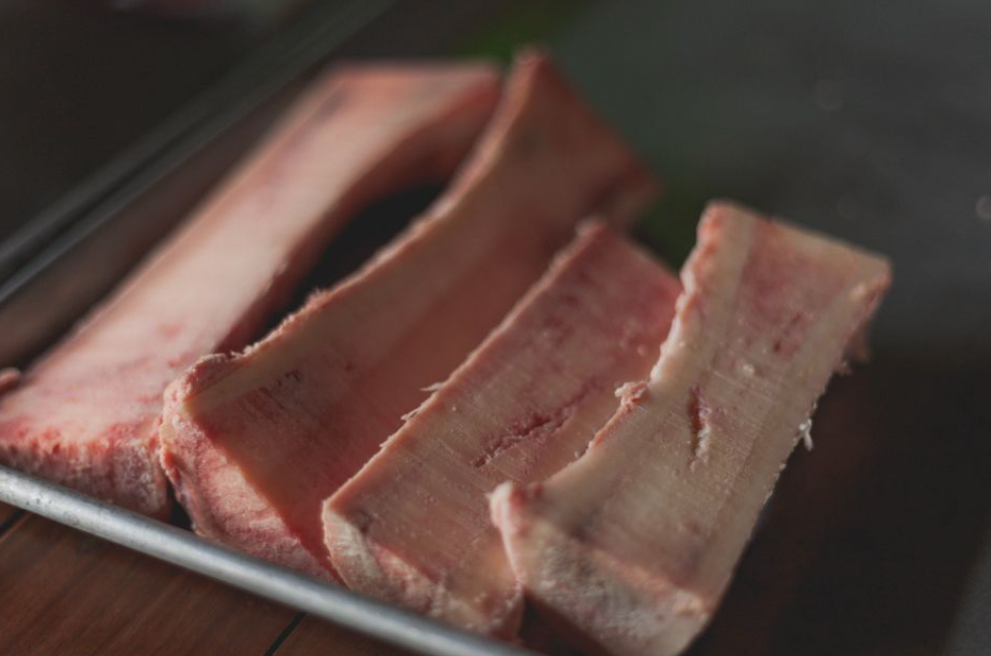
Good beef stock starts with bones that contain flavor, collagen, and some meat still attached. You’ll usually get the best results from a mix of marrow bones, knuckle bones, oxtail, or meaty soup bones. If your butcher labels them vaguely, ask for bones meant for stock, not just scraps headed for kitchen exile.
Roasting matters. Spread the bones on a sheet pan and roast them until deeply browned, not timidly beige. That color builds complexity and gives your stock a darker, more savory character.
A few practical tips help here:
– Use 4 to 6 pounds of bones for a large batch
– Include some joints or knuckles for gelatin
– Don’t burn the bones, or your stock can taste bitter
– Save the browned bits on the pan for the pot
Those browned bits are flavor gold, not kitchen confetti.
Water, Timing, and Heat Make a Bigger Difference Than You’d Expect
Once your bones and aromatics are in the pot, cover them with cold water. Starting cold helps the flavors and collagen release gradually. Then bring everything up gently. A full rolling boil sounds productive, but it can leave you with cloudy stock and a rougher taste.
A slow simmer works better. You’ll see small bubbles and movement, not a cauldron auditioning for a fantasy movie. Skim the foam from the top early in the process if you want a cleaner result.
Timing depends on your method:
– Stovetop: 8 to 12 hours
– Slow cooker: 12 to 24 hours
– Pressure cooker: about 2 to 3 hours
If you want a faster route without sacrificing body, this Instant Pot beef stock recipe shows how pressure cooking can pull serious flavor and gelatin from the bones in a fraction of the usual time.
Aromatics Matter, but They Shouldn’t Hijack the Pot
You want vegetables and herbs to support the beef, not turn the stock into a confused soup. Onion, carrot, and celery form the standard base for a reason. They bring sweetness and balance without stealing the spotlight.
Keep the ratio sensible. Too many carrots can make the stock oddly sweet, and too much celery can push it toward a grassy edge. One or two onions, a couple of carrots, and a few celery stalks usually do the job for a large pot.
Useful additions include:
– Garlic cloves, lightly crushed
– Parsley stems
– Bay leaves
– Black peppercorns
– Tomato paste, used sparingly for depth
Skip strong ingredients like broccoli, bell pepper, or lots of fresh herbs. They can make the final stock taste muddled. You’re building a foundation, not throwing every fridge survivor into one pot.
Don’t Salt Early if You Want Flexibility Later
One of the easiest mistakes is salting your stock at the beginning. It seems harmless, but stock reduces as it cooks, which concentrates everything, including salt. A batch that tastes fine halfway through can become aggressive by the end.
Leave the stock unsalted or only lightly seasoned. Then add salt when you use it in a finished dish. That gives you more control, especially if you’re making sauces, braises, or soups with other salty ingredients.
Think about how stock functions in real cooking:
– Risotto needs gradual seasoning
– Pan sauces reduce fast
– Stews often include salted meat
– Gravy gets concentrated quickly
A neutral stock is more versatile. It lets you steer the final dish instead of getting boxed in by an over-seasoned base. Your future self, hovering over a saucepan on a weeknight, will appreciate the restraint.
Straining, Cooling, and Storing Need More Attention Than They Usually Get
After cooking, strain the stock through a fine-mesh sieve into a large bowl or another pot. Don’t press hard on the solids. That can push murky bits through and cloud the stock. If you want an especially clear result, strain it a second time through cheesecloth.
Cooling safely matters. Large pots of hot stock can stay warm for too long if left on the counter. Divide it into smaller containers so it chills faster. An ice bath helps if you’re working with a big batch.
Once chilled, the fat will rise and solidify on top, making it easy to remove.
Then store your stock like this:
– Fridge: up to 4 days
– Freezer: 3 to 6 months
– Ice cube trays: great for small portions
– Pint containers: useful for soups and rice dishes
Label everything. Brown liquid in a container becomes a guessing game faster than you’d think.
Use It in Ways That Show Off the Work You Put In
Homemade beef stock has more body than most packaged versions, so it performs best where that richness can actually be noticed. French onion soup, beef stew, short ribs, ramen, and mushroom sauces all benefit from a stock with real depth.
You can also use small amounts to improve everyday meals. Add a splash to pan sauces, cook grains in it, or stir some into leftover roast meat to bring back moisture and flavor. Even a simple weeknight soup can taste like it had better plans all along.
A few especially smart uses include:
– Deglazing a skillet after searing beef
– Building gravy with better texture
– Cooking lentils for a deeper savory note
– Enriching pot roast leftovers
When your stock sets into a light gel in the fridge, that’s a good sign. It means collagen did its job, and your soups are about to get a lot less boring.
Homemade Stock Is Less About Perfection and More About Control
The real advantage of making beef stock yourself isn’t culinary bragging rights. It’s control. You choose the bones, the aromatics, the cooking time, and the final strength. You decide whether it’s clean and classic, dark and roasted, or built for freezer-friendly weeknight cooking.
That control matters more than people admit. Packaged stock can be flat, overly salted, or weirdly sweet, and the label doesn’t always tell the full story. Homemade stock gives you consistency and a better feel for how flavor develops.
You don’t need to make it every week. Even one batch every month or two can change how you cook. Once you taste soup, sauce, or stew made with stock that has real structure, the boxed stuff starts to seem like background noise wearing a chef hat.