
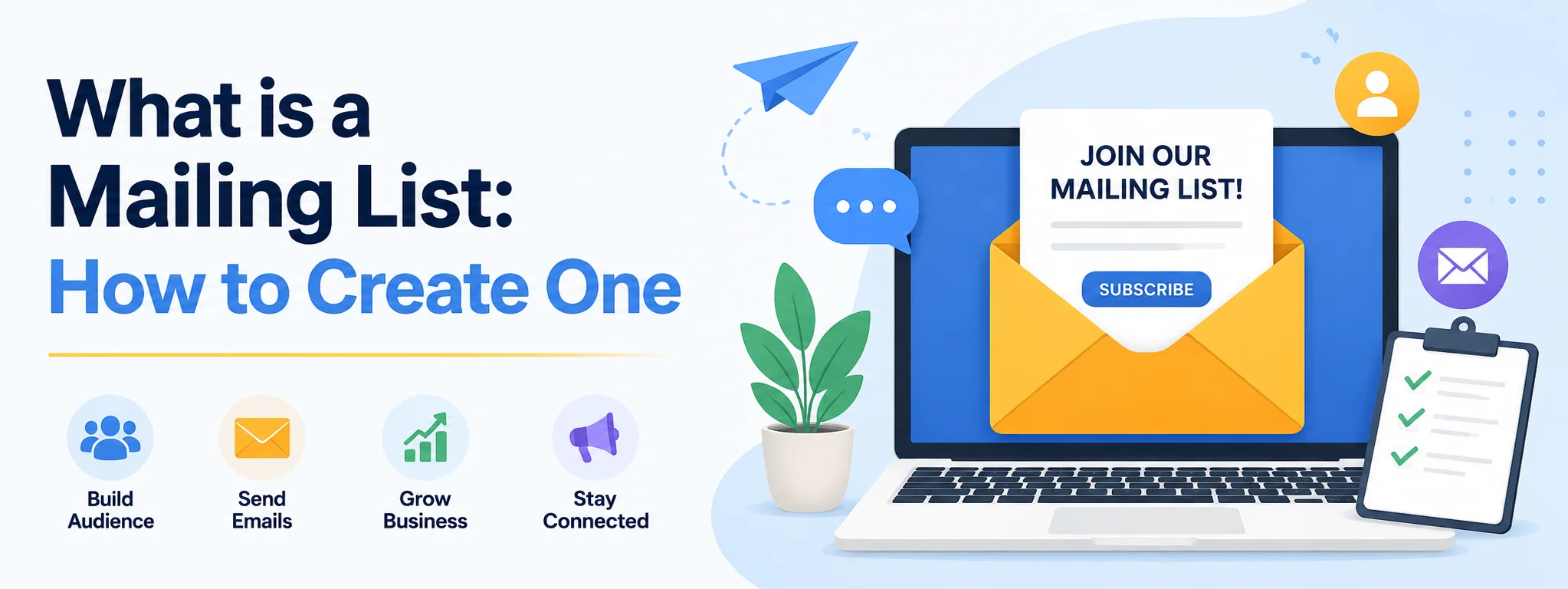
A mailing list is a collection of people who have agreed to receive emails from a business, website, organization, or individual. Mailing lists are commonly used to share newsletters, promotions, product updates, helpful information, announcements, and special offers directly with subscribers.
Unlike social media followers, a mailing list gives you a direct communication channel with your audience. You do not have to depend entirely on social media algorithms to reach the people who are interested in your content or business. For this reason, building a quality mailing list can be one of the most valuable long-term strategies for online businesses and content creators.
Why Is a Mailing List Important?
Email remains an effective way to build relationships with an audience. When someone joins your mailing list, they are giving you permission to communicate with them. This creates an opportunity to build trust over time.
One major benefit is direct communication. A social media post may not reach every follower, but an email can be delivered directly to a subscriber’s inbox. You can also organize your subscribers into different groups and send information based on their interests.
A mailing list can also help increase website traffic, sales, and engagement. For example, a blogger can email subscribers whenever a new article is published, while an online store can announce new products or seasonal discounts.
Most importantly, a mailing list is an audience asset that you can continue building over time.
How Does a Mailing List Work?
The basic process is simple. First, you provide visitors with an opportunity to subscribe. They enter their email address into a signup form, usually along with their name if necessary.
The information is then stored by an email marketing service. After subscribing, the person may receive a confirmation email or welcome message. You can then send newsletters and other relevant messages to your subscribers.
A typical mailing-list process looks like this:
- A visitor discovers your website or business.
- They see an email signup form.
- They enter their email address.
- They confirm their subscription if required.
- They receive a welcome email.
- You send useful and relevant emails over time.
The key is to make the process simple while clearly explaining what subscribers will receive.
How to Create a Mailing List
1. Define Your Target Audience
Before collecting email addresses, determine who you want to attract. Your target audience could be customers, readers, professionals, hobbyists, students, or people interested in a specific topic.
Understanding your audience helps you create better signup offers and more useful emails.
For example, a cooking website might target people who want easy recipes, while a marketing website could attract business owners looking for digital marketing advice.
2. Choose an Email Marketing Service
Managing a mailing list manually is difficult and inefficient, especially as your subscriber base grows. An email marketing platform can help you collect subscribers, create campaigns, automate messages, and monitor performance.
Look for a service that provides features such as signup forms, email templates, automation, subscriber management, analytics, and unsubscribe functionality.
Choose a platform that fits your current needs and can grow with your audience.
3. Create a Signup Form
Your signup form is one of the most important parts of building a mailing list. It should be easy to find and simple to complete.
You can place signup forms in several locations, including your website’s homepage, blog posts, sidebar, footer, or dedicated landing pages.
Avoid asking for unnecessary information. In many cases, an email address and first name are enough.
Your signup message should clearly explain the benefit of subscribing. Instead of simply saying “Subscribe to our newsletter,” consider explaining what readers will receive, such as useful tips, exclusive content, updates, or special offers.
4. Offer Something Valuable
People are more likely to join a mailing list when they receive a clear benefit.
This could be a free guide, checklist, discount, template, exclusive article, useful tips, or access to special content. The incentive should be relevant to your audience rather than something unrelated simply designed to collect email addresses.
For example, a fitness website might offer a free beginner workout guide, while a business website could provide a downloadable marketing checklist.
5. Create a Welcome Email
After someone subscribes, send a welcome email. This is your first direct interaction with the new subscriber, so it is an important opportunity to create a positive impression.
A good welcome email can thank the subscriber, explain what they can expect, introduce your website or business, and provide the promised free resource if you offered one.
Keep the message friendly, clear, and useful.
What Should You Send to Your Mailing List?
A successful mailing list is not simply about sending promotional messages. Subscribers should receive content that provides genuine value.
You could send:
- New blog posts and articles
- Helpful tips and tutorials
- Product announcements
- Special discounts
- Industry news
- Exclusive content
- Company updates
- Event announcements
- Curated resources
Try to maintain a consistent schedule. Depending on your audience and type of business, you might send emails weekly, biweekly, or monthly.
Avoid sending messages too frequently because excessive emails can lead to unsubscribes.
How to Grow Your Mailing List
Growing a mailing list takes time, but several strategies can help. Promote your signup form across your website and social media channels. Add calls to action to relevant blog posts and create landing pages specifically designed for subscriptions.
You can also use valuable downloadable resources to encourage signups. Another effective approach is to create content that naturally attracts people who are interested in your subject.
Quality matters more than simply collecting a large number of email addresses. A smaller list of engaged subscribers can be more valuable than thousands of people who never open your emails.
Best Practices for Managing a Mailing List
Always respect your subscribers’ privacy and make it easy for them to unsubscribe. Avoid purchasing email lists because purchased addresses may contain people who never agreed to receive your messages. This can damage your reputation and lead to poor email performance.
Keep your content relevant and make your subject lines clear. Monitor metrics such as open rates, clicks, unsubscribes, and conversions to understand what your audience responds to.
You should also regularly remove or manage inactive subscribers when appropriate. Keeping your list clean can improve engagement and make your email marketing more efficient.
Final Thoughts
A mailing list is a powerful way to develop a direct relationship with an audience. Whether you run a blog, online store, service business, or personal brand, email can help you communicate with people who have already shown interest in what you offer.
Creating a mailing list starts with identifying your audience, choosing an email marketing service, adding a simple signup form, and offering valuable content. From there, focus on building trust rather than constantly promoting products.